technology••5 min read

Elon Musk's AI Vision: Is Saving for Retirement Becoming Pointless?

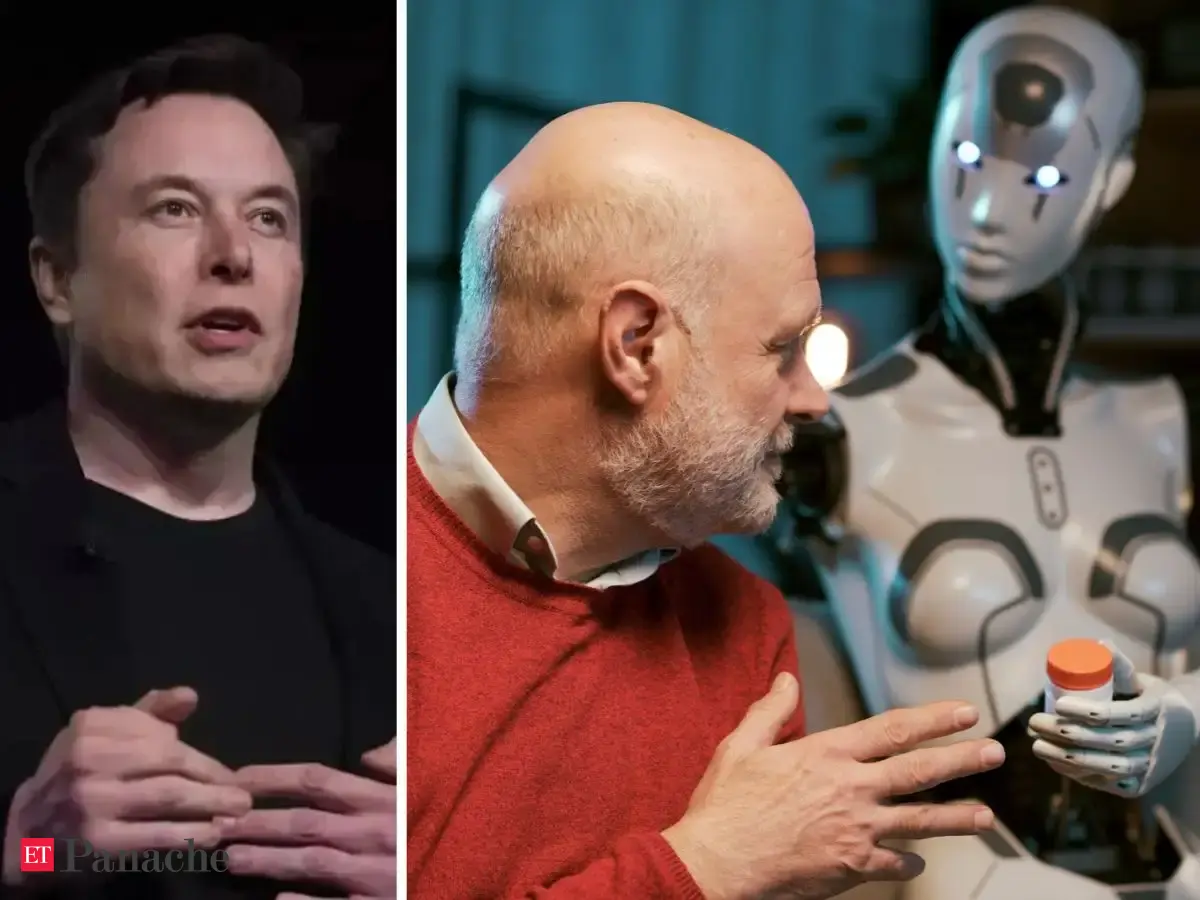
Elon Musk envisions an 'age of abundance' driven by AI and robotics that could fundamentally shift the global economy. As production costs drop and automation scales, Musk suggests that traditional retirement savings may become an outdated concept.

Elon Musk's AI Vision: Is Saving for Retirement Becoming Pointless?

The End of Traditional Saving?

In a bold prediction about the trajectory of the global economy, Elon Musk has suggested that the concept of saving for retirement may eventually become obsolete. The premise hinges on a massive surge in productivity powered by artificial intelligence and robotics, which Musk believes could lower the costs of goods and services to a point where basic needs are vastly more accessible.

While traditional economic models rely on the accumulation of assets over a lifetime to fund a period of non-working years, Musk’s vision describes a structural shift. If automated production decreases the price of human survival and comfort significantly, the traditional urgency to hoard capital for a 'golden age' of retirement may diminish.

The integration of robotics into manufacturing is a cornerstone of the predicted 'age of abundance'.

The Economic Case for Abundance

Economists have long debated the impact of AI on GDP and human labor. Research from institutions like the IMF and Stanford highlights that we are on the precipice of a disruptive surge in innovation. The central argument for an 'age of abundance' is a positive feedback loop: as AI and robots automate nearly all tasks, the economy could see growth rates previously thought impossible.

  • Productivity gains: Automation could drive economic growth to 5% or higher annually.
  • Labor displacement: Approximately 40% of global employment is exposed to AI, necessitating a shift in the nature of work.
  • Cost reduction: Increased automation in manufacturing and services aims to lower the price floor for essential goods.
  • Distribution challenges: While the 'size of the pie' may grow, the transition remains a question of policy and social distribution.

Techno-Optimism vs. Real-World Harms

However, Musk's optimistic outlook is not without its critics. Some observers argue that focusing exclusively on utopian predictions of the future serves as a distraction from the immediate impacts of Big Tech. Critics point out that current harms—including the widening income gap and job security concerns—require concrete regulation rather than speculative promises of a post-money society.

The industry uses fantasies of technological dominance to paper over financial shortcomings and demands for regulation.

— Truthout

Key Takeaways

  • Elon Musk predicts that AI and robotics could create an era of 'abundance,' potentially making savings for retirement less critical.
  • Automation is expected to drastically lower the costs of production, impacting the global economy.
  • IMF research notes that nearly 40% of global jobs are exposed to AI, with high-skilled roles increasingly affected.
  • Economists note that while GDP growth could accelerate, the main challenge will be the distribution of wealth in a highly automated society.
  • Critics argue that utopian AI projections often serve to deflect attention from current regulatory needs and Big Tech accountability.

FAQ

What is the 'age of abundance' mentioned by Elon Musk?

It refers to a future state where AI and robotics significantly increase productivity, lowering the costs of goods and services to a point where life becomes more affordable and accessible for everyone.

Will AI replace all jobs according to these predictions?

Not necessarily. Studies indicate that while 40% of jobs are exposed to AI, technology often complements human work, potentially creating new roles while phasing out routine manual and high-skilled tasks.

Why is there concern about the economic impact of AI?

Concerns focus on the potential for a widening income gap, the displacement of traditional labor, and the need for new government policies to ensure the benefits of AI are distributed fairly.

Does this mean I should stop saving for retirement now?

Musk’s comments are speculative and describe a long-term future shift. Current economic advice still heavily emphasizes financial planning and retirement savings to navigate the existing economic reality.

Related Videos

Elon Musk on AI: humans will no longer be in control in ten years

The Economist

Elon Musk makes AI predictions for an 'age of abundance'

USA TODAY

'Working Will Be Optional': Elon Musk Predicts AI Future

Business Today

Sources