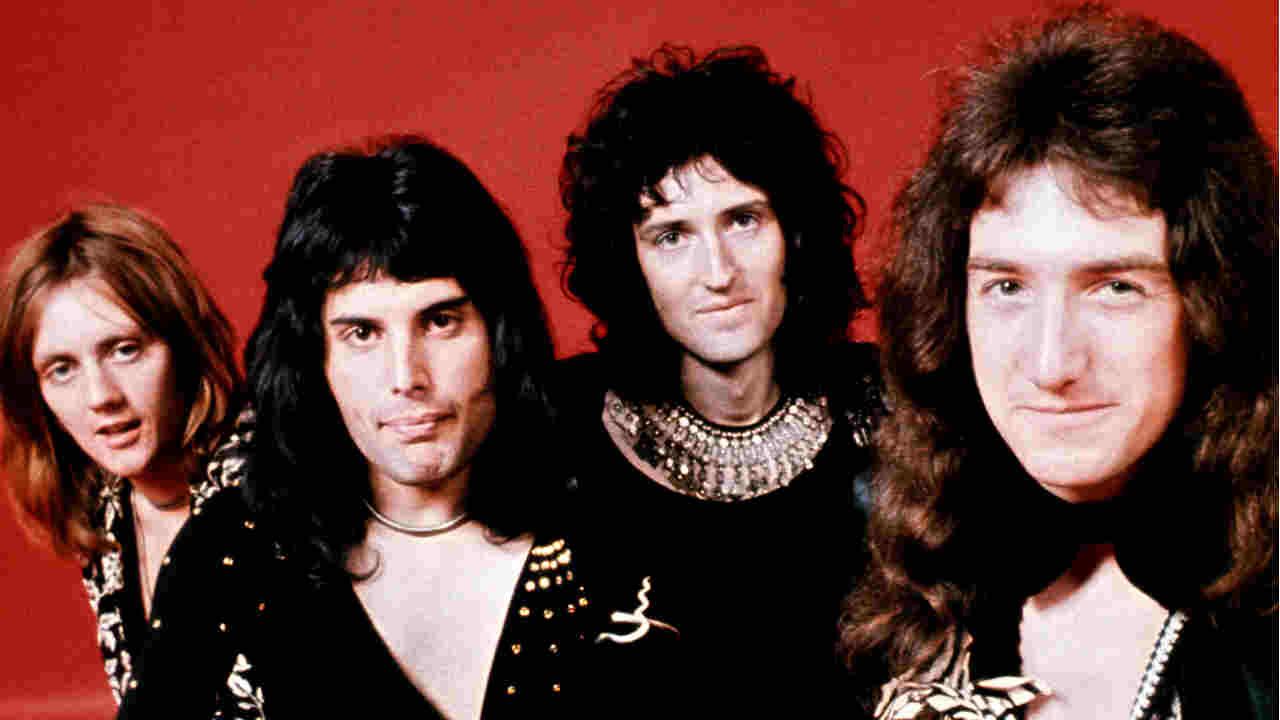
A Band on the Brink
By 1974, Queen was fighting for survival. Following their early work, the band was touring North America as a support act for Mott The Hoople when disaster struck. Guitarist Brian May fell severely ill with hepatitis—a complication stemming from an unclean needle used during a vaccination prior to a tour in Australia earlier that year. The illness forced the band to cut their American tour short, leaving their future in total uncertainty.
Finding the 'Classic' Queen Sound
The forced hiatus didn't stop the band; it redefined them. When they returned to the studio between July and September 1974, the atmosphere shifted. Moving away from the dense, progressive rock themes that defined their first two albums, the band—along with producer Roy Thomas Baker—began to experiment with a more pop-centric, flamboyant, and chaotic sound. This pivot provided the bedrock for what would become their signature style.
The Success of Sheer Heart Attack
Released on November 8, 1974, 'Sheer Heart Attack' was a turning point. It moved the band from being a support act to a headlining powerhouse. The album featured the massive hit 'Killer Queen,' which climbed to number two on the UK singles chart and became their first major success in the US, peaking at number 12 on the Billboard Hot 100. It wasn't just a hit record; it was the moment Queen truly found their identity as one of the world's greatest rock bands.
- The album marked the departure from early progressive rock toward a tighter, classic sound.
- Brian May's illness, while devastating at the time, allowed the group to regroup and sharpen their studio approach.
- 'Killer Queen' served as the band's international breakthrough.
- The recording sessions were split across four different studios, adding to the pressure of the production.
Sheer Heart Attack is the precise moment Queen found their identity. It is fast, flamboyant, and fiercely chaotic, yet meticulously engineered.
— Retrospective Review