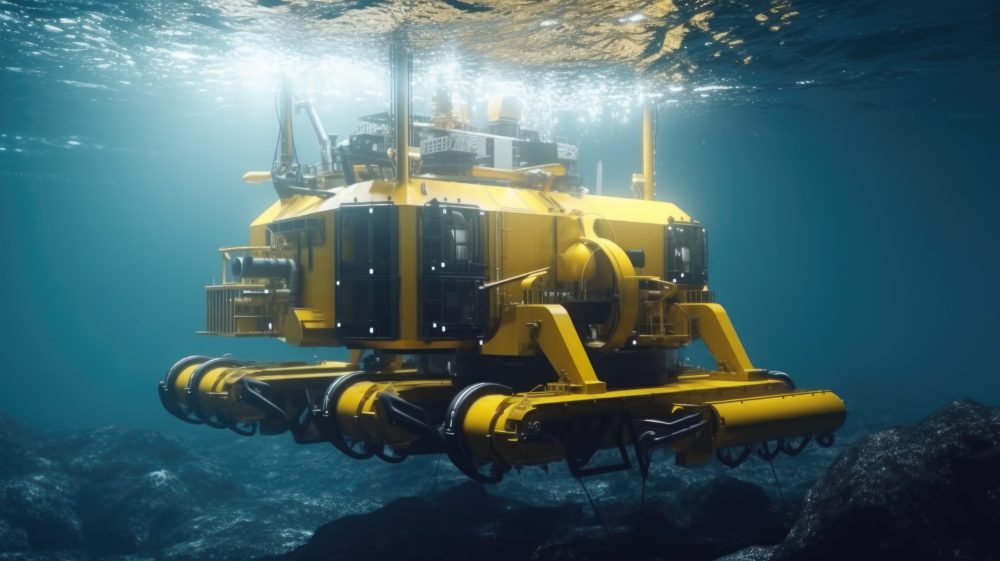
A New Economic Frontier
For over a century, deep-sea exploration was the exclusive domain of marine biologists and oceanographers seeking to understand the mysterious, high-pressure environments of the abyss. Today, that focus is shifting. Companies like Deep Sea Minerals are positioning themselves for public listings, fueled by the prospect of tapping into vast, untapped mineral resources on the ocean floor.
This transition is supported by increasing interest from international governing bodies. Contracts for exploration are proliferating, particularly in areas like the Clarion–Clipperton fracture zone in the Pacific. As surface-level resources dwindle, the global gaze has turned downward to the minerals that could power the next generation of green technology.
The Shadow of Ecological Disaster
While the promise of economic prosperity is clear, the scientific community remains cautious. The legacy of the 2010 Deepwater Horizon explosion continues to loom large. A recent study highlights the long-term devastation caused by that event, showing that marine animal populations in the Gulf of Mexico plummeted by approximately 60% in the years following the spill.

The Fragility of Deep-Sea Life
Research continues to reveal that the deep ocean is far from a desolate wasteland. Recent expeditions using advanced submersibles like the Fendouzhe have discovered 'thriving communities' of creatures at depths previously thought to be inhospitable. These findings challenge our previous understanding of biology, suggesting that ecosystems driven by methane and other chemical processes are likely more widespread than anticipated.
- Hydrothermal vents discovered in the 1970s proved life can thrive in extreme conditions.
- New expeditions have identified complex biological communities at depths exceeding 9,000 meters.
- Deep-sea mining risks disturbing sediment and chemical balances that sustain these fragile ecosystems.
- Historical data shows that recovery from industrial interference in the deep sea takes decades, if it occurs at all.
The discovery of thriving deep-ocean communities suggests that whole ecosystems driven by methane may exist in the deepest parts of the ocean, challenging long-standing assumptions about life's potential at extreme depths.
— Prof. Andrew Sweetman, Scottish Association for Marine Science