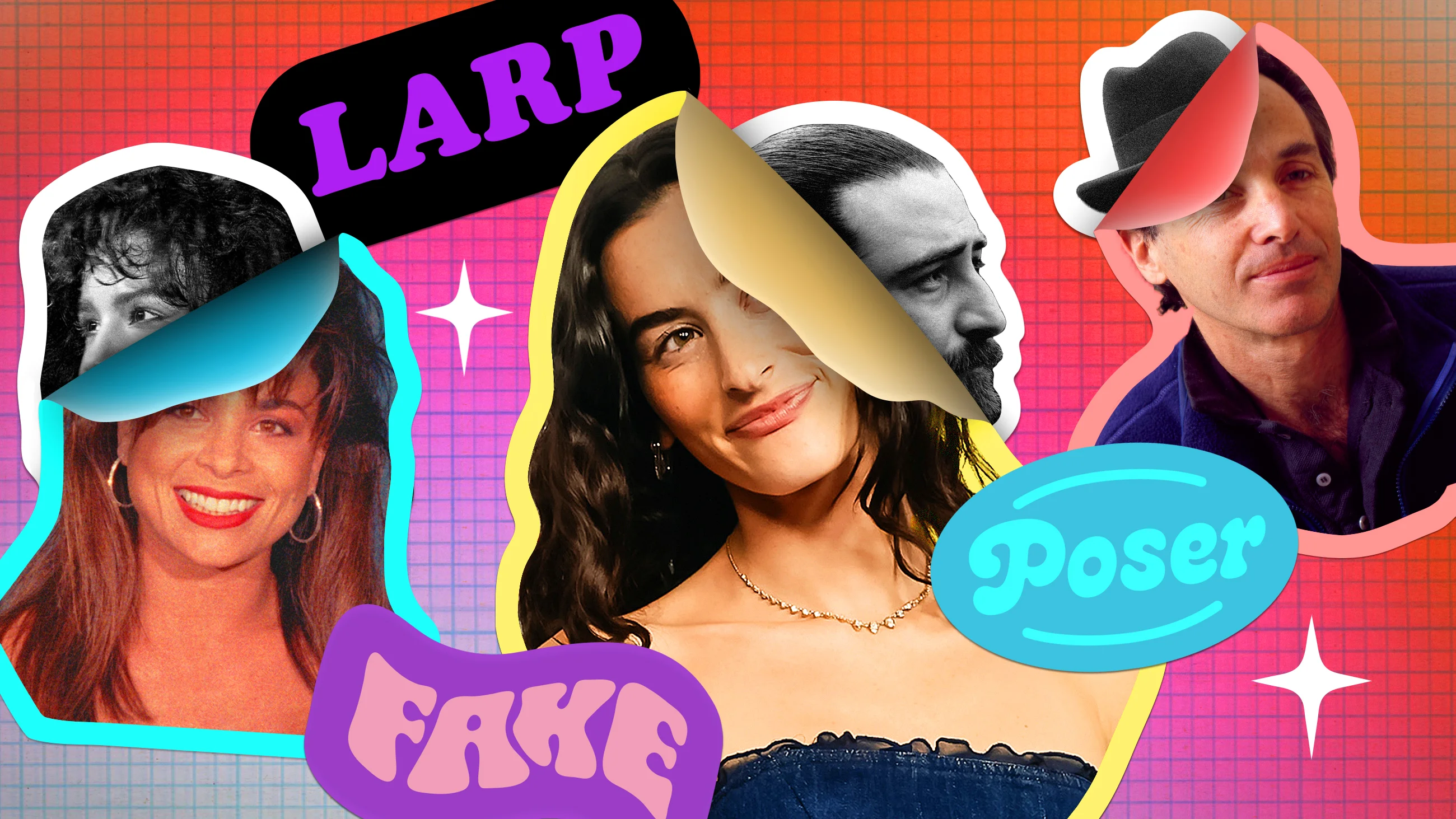
The New Reality: Everything Feels Fake
If you feel like the music you're hearing in 2026 is harder to pin down than ever, you aren't alone. Whether it's ghostwriters, digital deepfakes, or algorithmically optimized tracks, the music landscape is undergoing a massive shift. The question of whether a song is 'real' has moved from a niche debate to the primary concern for both consumers and industry executives.

From Ghostwriters to Deepfakes
Controversies over fake artists and identity are not new, but technology has fundamentally changed the scope of the problem. While past scandals often involved hidden songwriters or fabricated personas, modern AI enables the creation of sound-alike tracks that are indistinguishable from major stars. This 'fake' music is no longer just a gimmick; it is becoming a significant disruptor in the streaming economy.
- AI voice models can now simulate the vocal signatures of famous artists without their consent.
- Generative AI platforms are creating music based on user mood, biometric data, or specific stylistic preferences.
- Data-driven A&R is replacing human intuition, leading to content that is optimized for engagement rather than artistic expression.
The Human Cost of Algorithmic Music
The integration of AI isn't just about the music itself; it's changing how the industry is structured. Platforms now rely on streaming metrics to predict hits, prioritizing data-driven outcomes over the raw emotion that defined music for decades. While some argue that AI tools can enhance creativity, critics worry that we are heading toward a future of formulaic, predictable output that lacks the nuance of human experience.
Without mandatory transparency, audiences may unknowingly consume music that's entirely machine-made, blurring the lines between authentic and synthetic.
— Virginie Berger, Forbes