A Systemic Disruption of Skies
Commercial aviation across the Middle East is currently reeling from a wave of disruptions triggered by intensified missile and drone attacks. The impact has been severe, with hundreds of flights cancelled or delayed across major transit hubs including Dubai, Istanbul, and Doha. However, the epicenter of this crisis remains Saudi Arabia, where recent strikes on critical infrastructure have forced carriers to rethink their entire operational strategies.

The Operational Shift in Riyadh
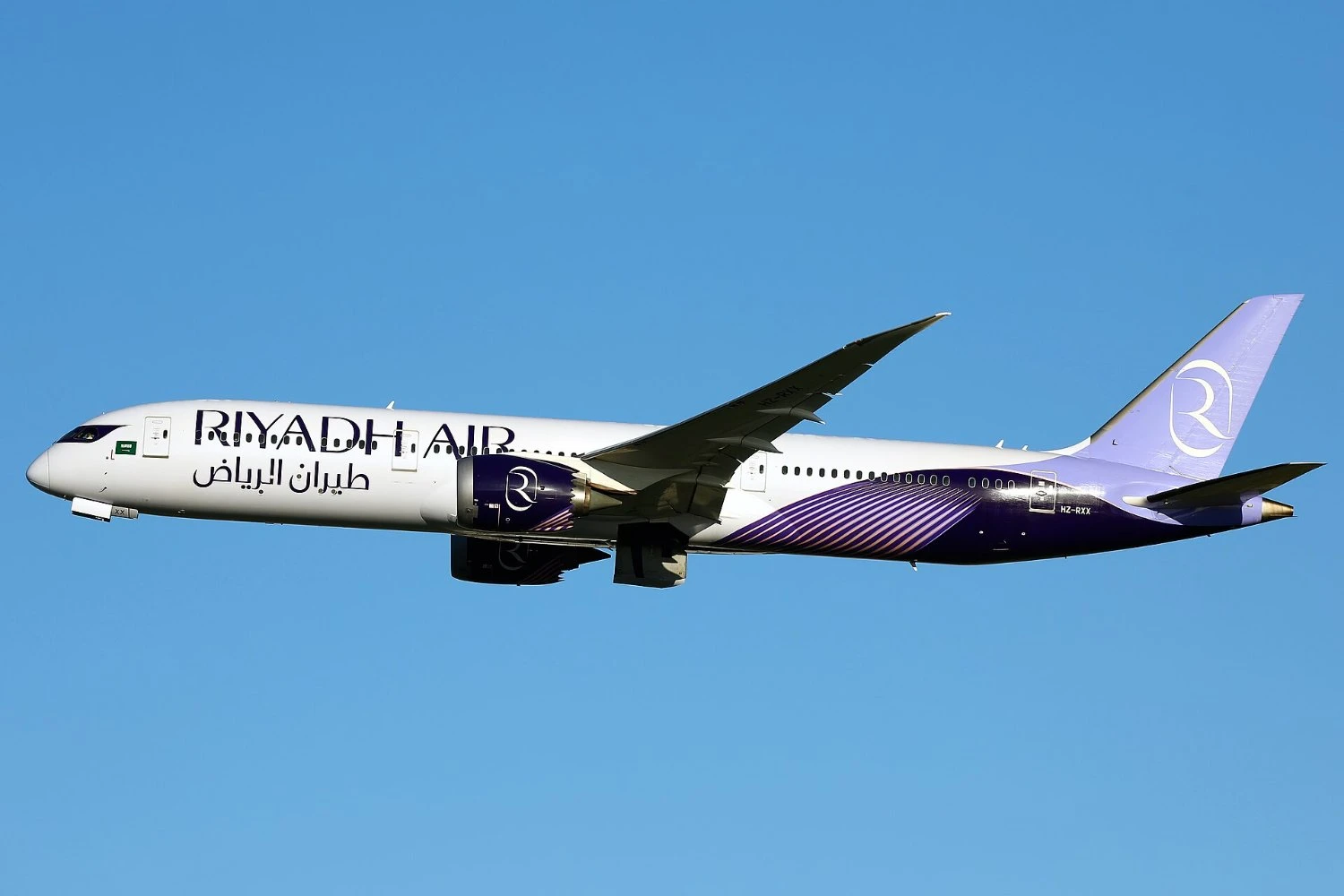
The situation in the Saudi capital has become particularly dire. Air traffic analysis from Cereem indicates that during October 2026, nearly 86% of scheduled flights at Riyadh’s airport were cancelled. The instability has forced carriers like Riyadh Air to pivot aggressively, relocating operations 250 miles away to Al Qassim and utilizing bus transfers to maintain connectivity for passengers.
- Delta Air Lines has deferred the launch of its Atlanta-to-Riyadh service until March 2027.
- Etihad Airways and Qatar Airways have suspended specific routes to Riyadh and Dammam.
- Major international carriers, including Lufthansa and Air India, have implemented temporary suspensions.
- The European Union Aviation Safety Agency (EASA) has issued updated guidance citing a 'greater focus on aviation infrastructure' by hostile actors.
Why Safety and Insurance Costs Are Rising
The threat is no longer limited to southern border regions. With Houthi strikes now targeting locations deeper within the kingdom—including Tabuk, Medina, and Yanbu—the perceived risk to civil aviation has reached a critical threshold. Beyond the physical damage to aircraft, the industry is grappling with skyrocketing security costs and the complex challenge of mitigating the risk of misidentifying civil aircraft during interception operations.
Absent a significant shift in Saudi military strategy, Houthi strike capabilities, or regional dynamics, this pattern is likely to persist over the next three to six months.
— ACLED Security Report