global economy••5 min read

India's Ambitious Plan: The $250 Billion Engineering Export Roadmap for 2030

India has set a bold target to reach $250 billion in engineering exports by 2030 through a newly finalized government strategy. With mid-year results already showing strong performance, officials are now even suggesting that the ceiling could be higher. This move marks a significant push to cement India's role as a global manufacturing powerhouse.

India's Ambitious Plan: The $250 Billion Engineering Export Roadmap for 2030

A New Strategy for Global Dominance

India is doubling down on its manufacturing capabilities. In a series of high-level 'Chintan Shivir' brainstorming sessions, the Department of Commerce and the Engineering Export Promotion Council of India (EEPC India) have finalized a strategic roadmap aimed at pushing engineering goods exports to the $250 billion mark by 2030.

The initiative is not just about volume; it is about strategic positioning. By optimizing the use of free trade agreements and securing a stable long-term supply of key raw materials, India aims to sharpen its global competitiveness. With engineering exports already exceeding $70 billion in the first half of fiscal year 2027, the sector is demonstrating the momentum required to meet these long-term objectives.
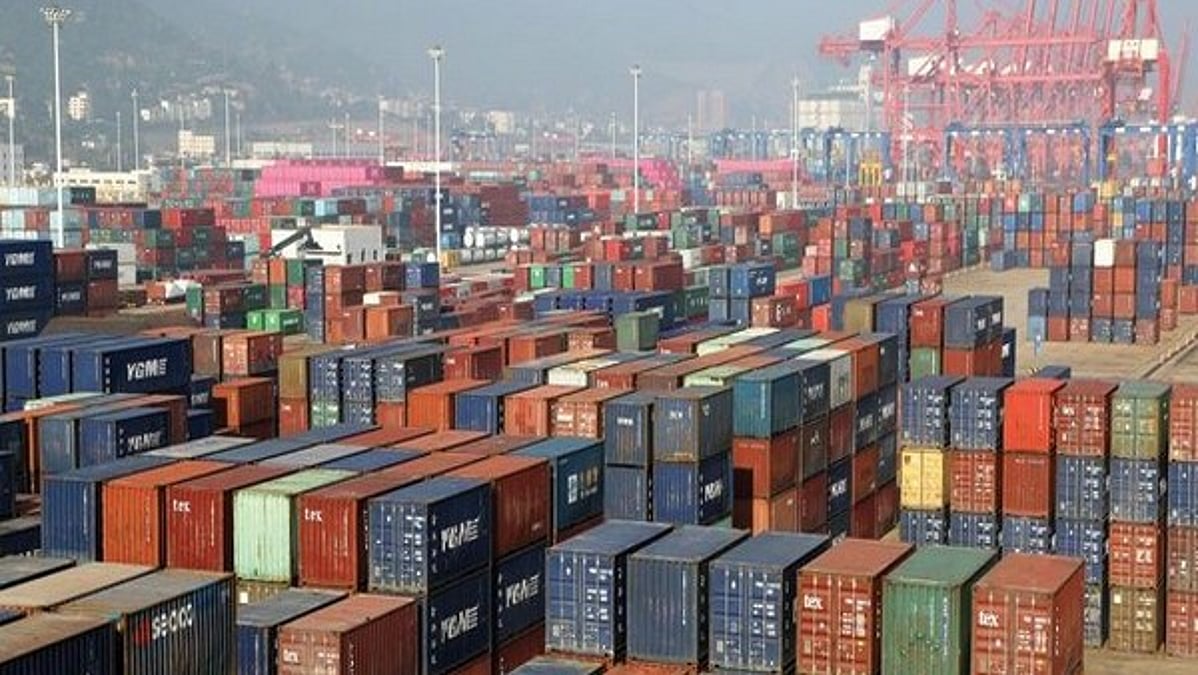
Policymakers and industry leaders gather to map out the future of India's engineering export sector.

Aiming Beyond the Target

While the headline goal is $250 billion, there is growing optimism within the government. During the recent discussions, Vimal Anand, Joint Secretary at the Department of Commerce, urged EEPC India to rethink the ambition, suggesting that with sustained government-industry collaboration, the sector could potentially reach $300 billion by 2030.

  • Engineering exports are expected to cross $140 billion in the current financial year.
  • The focus remains on enhancing market access through trade pacts.
  • Securing raw material supply chains is identified as a critical factor for long-term growth.
  • Increased collaboration between the public sector and private industry is driving the current success.

We are very much on track to surpass export numbers of the previous financial year. Our medium- and long-term growth outlook remains positive.

— Pankaj Chadha, Chairman, EEPC India

Key Takeaways

  • India has officially set an engineering export target of $250 billion by 2030.
  • First-half results for FY27 show exports exceeding $70 billion.
  • Government officials are encouraging an even higher stretch goal of $300 billion.
  • The strategy relies on utilizing free trade agreements and ensuring steady raw material access.
  • Collaboration between the Department of Commerce and EEPC India remains the engine of this growth.

FAQ

What is the engineering export target for India by 2030?

The target is $250 billion, though officials have suggested that $300 billion is a potential possibility with continued growth.

Which organizations are leading this initiative?

The strategy is being led by the Department of Commerce in collaboration with the Engineering Export Promotion Council of India (EEPC India).

How does India plan to achieve these numbers?

The plan focuses on maximizing the use of free trade agreements, improving global competitiveness, and securing long-term access to essential raw materials.

What is the current performance of the sector?

The engineering sector showed strong performance in the first half of FY27, crossing $70 billion, and is expected to exceed $140 billion for the current financial year.

Related Videos

Engineering Exports Roadmap And Economic Growth Strategies

Daily News Teller

The Next Big Sectors for 2030!

Rahul Jain

Sources