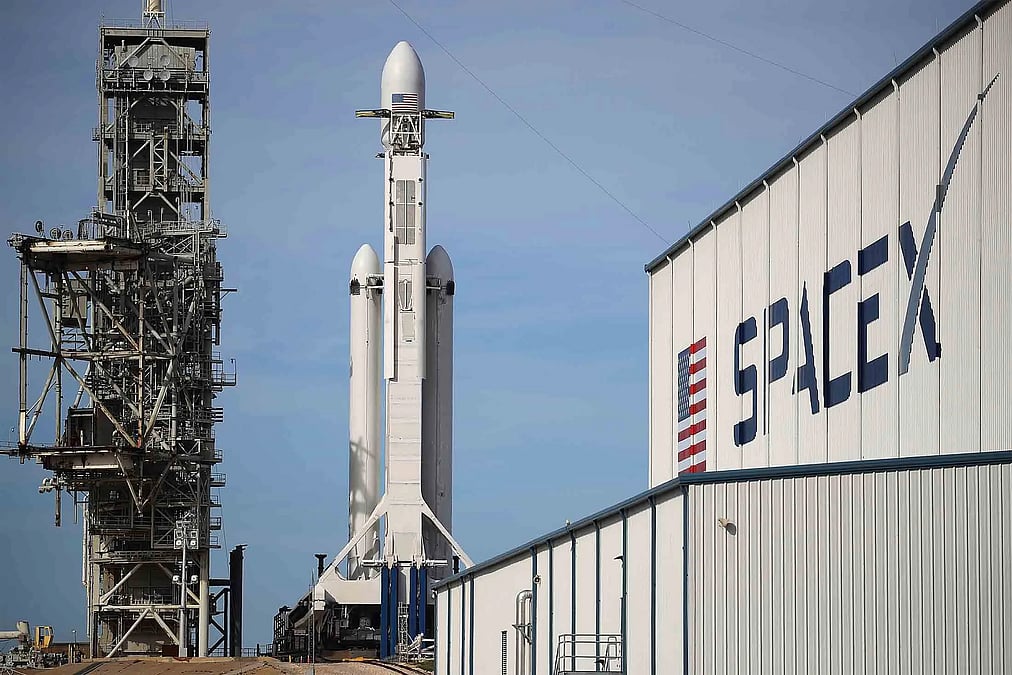
A Monumental Shift on the Horizon
The tech world is buzzing following confirmation that both Tesla and SpaceX have formed specialized committees to explore a potential merger. As Elon Musk continues to push the boundaries of electric vehicles, robotics, and aerospace, the prospect of combining two of his most valuable entities has moved from speculative rumor to a serious corporate discussion.
For shareholders, this is a pivotal moment. A merger of this scale would create a singular giant encompassing everything from satellite internet and rocket technology to AI-driven robotics and sustainable energy. However, the path to such a deal is paved with complex financial and structural questions.
The Bull Case: Why Merge?
Proponents of the merger point to the synergy between the companies' core technologies. By folding SpaceX into the Tesla ecosystem, the combined entity would gain unprecedented control over physical AI, satellite communication networks, and advanced computing. This would provide Tesla with a distinct advantage in its pursuit of autonomous robotaxis and advanced robotics, as it would essentially own the infrastructure for high-bandwidth, global connectivity.
- Direct access to Starlink satellite infrastructure.
- Consolidation of AI, robotics, and aerospace talent.
- Increased scale for research and development funding.
- Diversification of Tesla’s revenue streams beyond automotive sales.
The Skeptics' View: Mathematical and Industrial Hurdles
Not everyone is convinced that the merger is a winning hand. Market analysts have raised concerns regarding the dilution of Tesla stock and the differing financial health of the two firms. Tesla has long been accustomed to generating positive free cash flow, whereas SpaceX continues to manage massive R&D costs and, in some segments, negative free cash flow.
The industrial logic of a TSLA/SpaceX merger escapes me. It doesn't make sense mathematically for Tesla shareholders unless there were huge cost or revenue synergies.
— Gary Black, Investor
The Road Ahead
If the deal moves forward, the negotiations will likely center on the equity ratio. Analysts suggest that a fair split could be challenging to determine, with estimates indicating Tesla shareholders might expect a 66/34 split in favor of the existing EV giant. As the committees begin their work, the market remains in a state of 'wait and see,' watching to see if Musk can successfully bridge the gap between his automotive and aerospace empires.