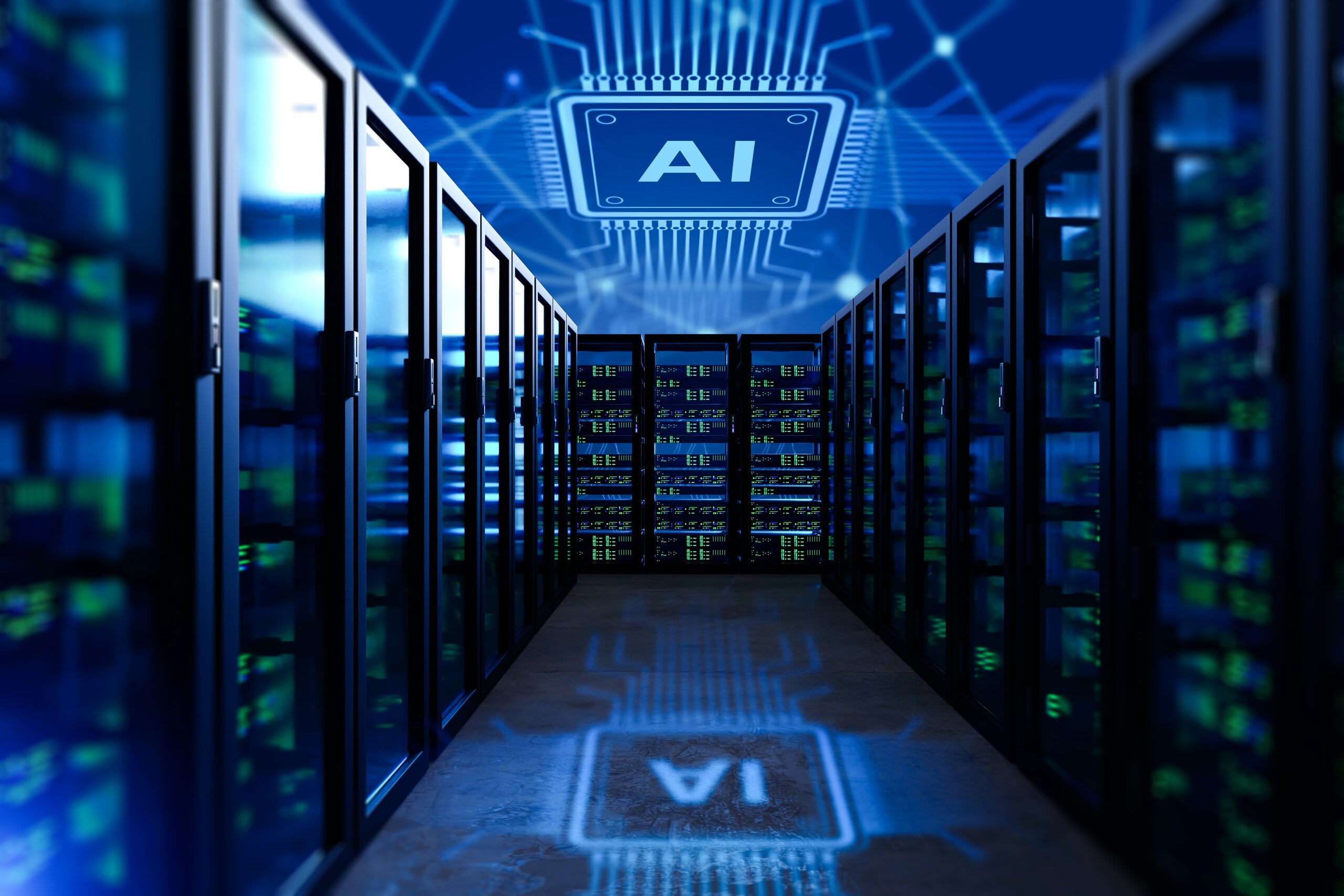
The Physical Reality of Artificial Intelligence
While Wall Street often obsesses over software breakthroughs and chip manufacturer benchmarks, the real-world foundation of the AI era is being poured in concrete and cooled by industrial-grade infrastructure. Data centers—the massive facilities housing the servers that power everything from cloud computing to generative AI—have become the most critical, yet often overlooked, assets in the tech ecosystem.
The surge in AI demand has brought a new level of scrutiny to these facilities. As companies race to scale their compute capabilities, they are grappling with the immense energy and water requirements necessary to keep high-performance hardware running 24/7.
The Power Paradox: Electricity and Sustainability
Data centers consume massive amounts of electricity, with some facilities drawing enough power to light up entire cities. This reliance on energy, often derived from fossil fuel-heavy grids, creates significant environmental challenges. Beyond just carbon emissions from power usage, these facilities require extensive water consumption for cooling systems.
- Energy intensity: Servers generate immense heat, requiring robust, power-hungry cooling infrastructure.
- Operational footprint: Backup diesel generators, while essential for uptime, contribute to local air emissions.
- Environmental context: The footprint of a data center is highly dependent on its geographic location and the local grid's energy mix.
- Embodied impact: Beyond daily operation, the construction and replacement of hardware, buildings, and grid infrastructure carry significant environmental weight.
Investment Implications: REITs and the AI Tailwind
For investors, the 'AI trade' is expanding beyond traditional chip makers like NVIDIA or Broadcom. As tech giants look to secure long-term capacity, specialized real estate investment trusts (REITs) that own and operate data centers are emerging as unexpected beneficiaries of this growth.
AI data centers consume enough power to light entire cities, and the landlords collecting rent on those facilities are quietly growing their dividends.
— 247 Wall St.
However, success in this sector isn't guaranteed. Operators are being forced to innovate—like atNorth’s award-winning ICE03 center in Iceland—by prioritizing low Power Usage Effectiveness (PUE) scores and circular economy integrations to remain viable in a world where sustainable infrastructure is becoming a regulatory and social mandate.