From Exclusion to Empowerment
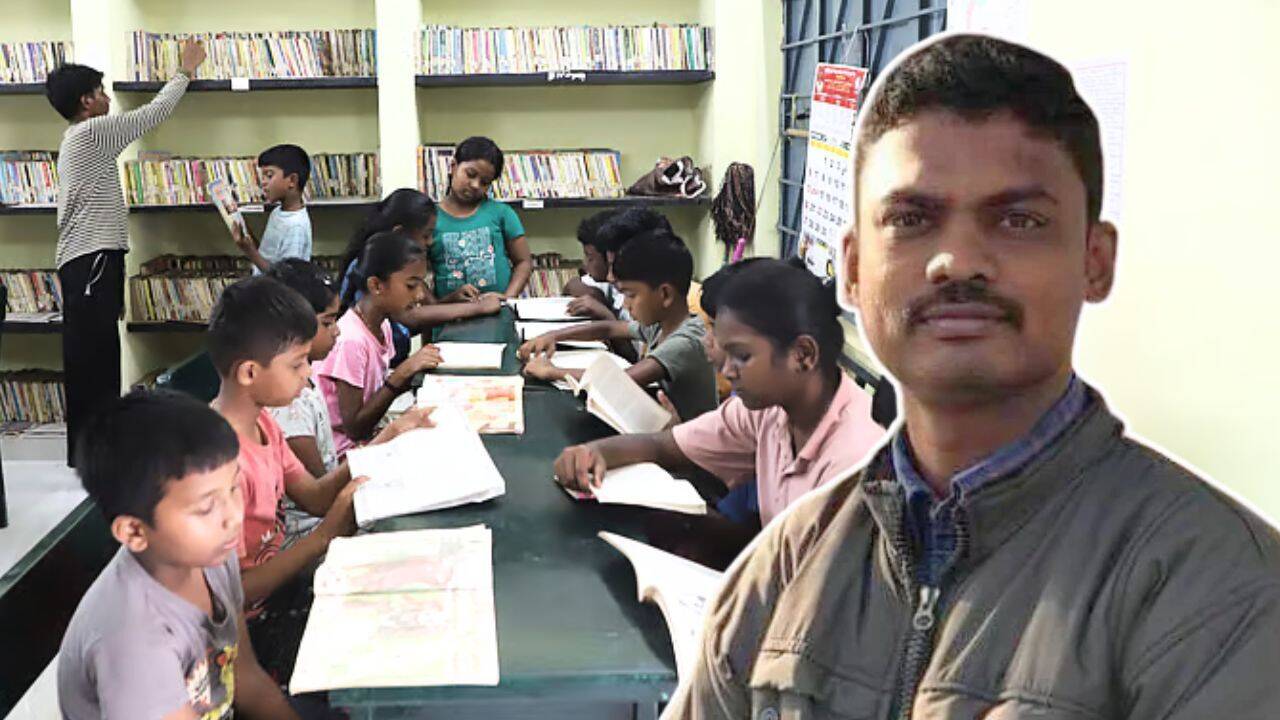
For many, a library is simply a quiet place to borrow books. But for V. Selvakumar, a resident of a small village in Tamil Nadu, the library was a site of deep-seated inequality. Denied access to a neighborhood library due to caste discrimination, Selvakumar chose a path of constructive defiance: he would ensure his community had its own space to learn, free from the barriers he faced as a youth.
Years after championing the establishment of a community library in Coimbatore, the results are nothing short of transformative. The number of graduates in his local community has surged from a mere four individuals to thirty, illustrating the direct link between equitable resource access and academic success.
Why Community-Led Libraries Matter
The success story in Coimbatore is not an isolated incident; it mirrors broader global research on the role of libraries in rural and underserved areas. Public libraries act as 'social anchors' that provide more than just books—they offer a sanctuary for growth in areas often neglected by formal government services.
- Equitable Access: Removing barriers, such as caste or economic status, allows for the democratization of knowledge.
- Educational Outcomes: Studies show a consistent correlation between the presence of community libraries and higher standardized test performance.
- Social Wellbeing: Libraries provide a neutral ground for community organizing, which helps residents address local socio-economic challenges.
- Retention and Growth: By providing resources within reach, communities can foster local talent rather than losing it to urban centers.
Building a Future Beyond Boundaries
What makes these libraries effective is local ownership. When residents are involved in the development and management of their own information hubs, the resources become relevant to their specific needs. Whether it is providing training, acting as a space for youth to stay engaged, or facilitating local collaborations, the library shifts from being a passive repository to an active change agent.
Finding locally relevant ways to start new libraries in underserved communities should be prioritized. There are few other partnerships that would deliver such large rewards in educational outcomes at such a small cost.
— Rural Libraries & Social Wellbeing Research