art & technology••5 min read

Why the 2026 Marcel Duchamp Prize Winners Are Changing How We Define Creation

The artist duo Brognon Rollin has won the prestigious 2026 Marcel Duchamp Prize with a moving installation centered on human experience and sobriety. Their victory sparks a vital conversation about the role of artificial intelligence in the creative process.

Why the 2026 Marcel Duchamp Prize Winners Are Changing How We Define Creation

A New Vision at the Musée d'Art Moderne

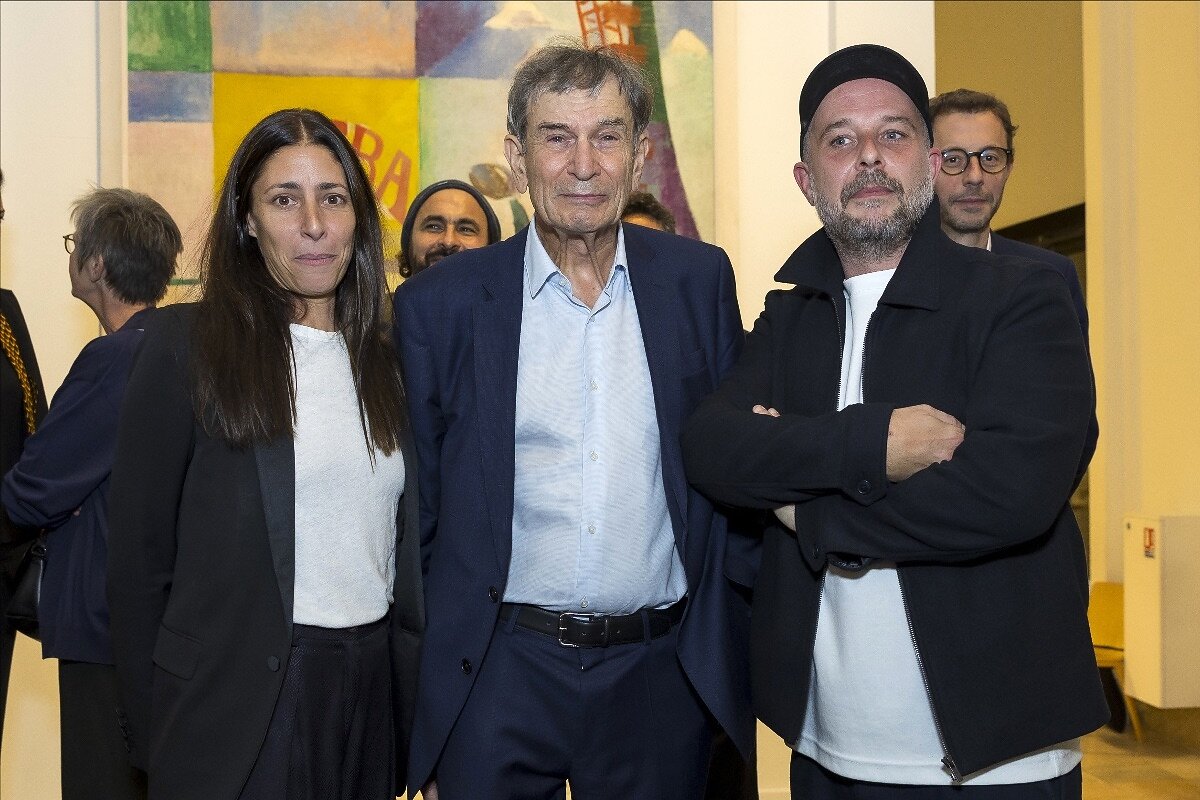
On October 22, 2026, the art world turned its eyes to Paris as the duo Brognon Rollin was announced as the winners of the 2026 Marcel Duchamp Prize. The award, presented at the Musée d'Art Moderne de Paris, honors the pair's deeply humanistic approach to installation art, specifically their work titled '5,376 Years, 1,892 Months, 1,110 Days, 1,201 Hours.' This installation serves as a tangible meditation on the time spent in sobriety, utilizing tokens collected since 2022 to represent fragile victories over addiction.
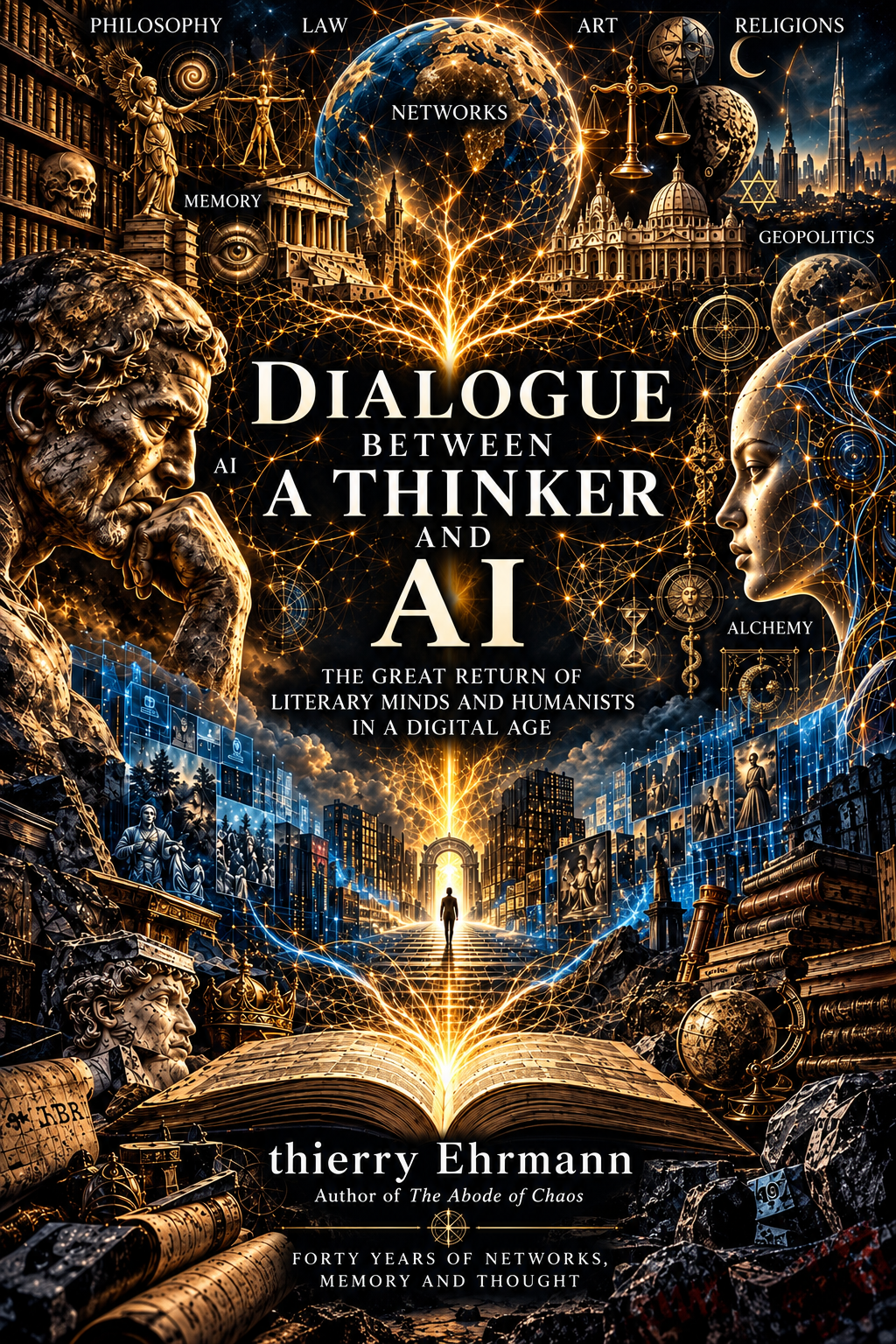
The dialogue between human intent and artificial intelligence is a growing focus in contemporary art.

The Human Element in the Age of AI

Beyond the installation itself, the 2026 edition of the prize has ignited a wider debate regarding the intersection of conceptual art and artificial intelligence. This is underscored by 'Dialogue Between a Thinker and AI,' a book by Artprice founder thierry Ehrmann. The project involved a 450-hour exchange between Ehrmann and an AI, where the AI was entrusted with the writing process while the human remained responsible for the core concepts, archives, and reasoning.

  • Brognon Rollin’s installation uses carnival machines to keep sobriety tokens in a state of precarious, perpetual balance.
  • The Marcel Duchamp Prize, established in 2000, remains a vital platform for the international promotion of the French art scene.
  • The shift toward AI-assisted creation raises fundamental questions about authorship, agency, and the transmission of lived experience.
  • While AI can simulate the narrative of a life, it lacks the lived reality that gives art its depth, a gap that Brognon Rollin’s work highlights.

Our primary material is the human being.

— Stéphanie Rollin

Key Takeaways

  • Brognon Rollin won the 2026 Marcel Duchamp Prize for their work focused on sobriety and human time.
  • The winning installation connects conceptual art to the reality of addiction and human persistence.
  • The prize exhibition, featuring four shortlisted artists, runs at the Musée d'Art Moderne de Paris until February 7, 2027.
  • The art world is increasingly grappling with how AI handles creative intent versus human experience.
  • Thierry Ehrmann’s new project explores the boundaries of human-AI collaboration in writing and thought.

FAQ

What is the Marcel Duchamp Prize?

It is a prestigious annual award established in 2000 to promote the French art scene internationally. It recognizes four artists or collectives each year with an endowment.

Why is the 2026 prize notable?

It marks a moment where the art community is deeply questioning the role of AI in creation while emphasizing human-centric themes like sobriety and vulnerability.

Where can I see the 2026 shortlisted artists' work?

The exhibition is on display at the Musée d'Art Moderne de Paris through February 7, 2027. Admission is free.

How does AI fit into the current art conversation?

Artists and thinkers are using AI as a 'co-creative' tool, prompting debates about where human responsibility ends and machine contribution begins in the act of creation.

Related Videos

Digital Art, Creativity and AI - The More Than Meets AI Exhibition

Center for Digital Narrative, UiB

Design@Large: Communing With Creative AI

Design Lab

Sources