A Tale of Two Investor Classes
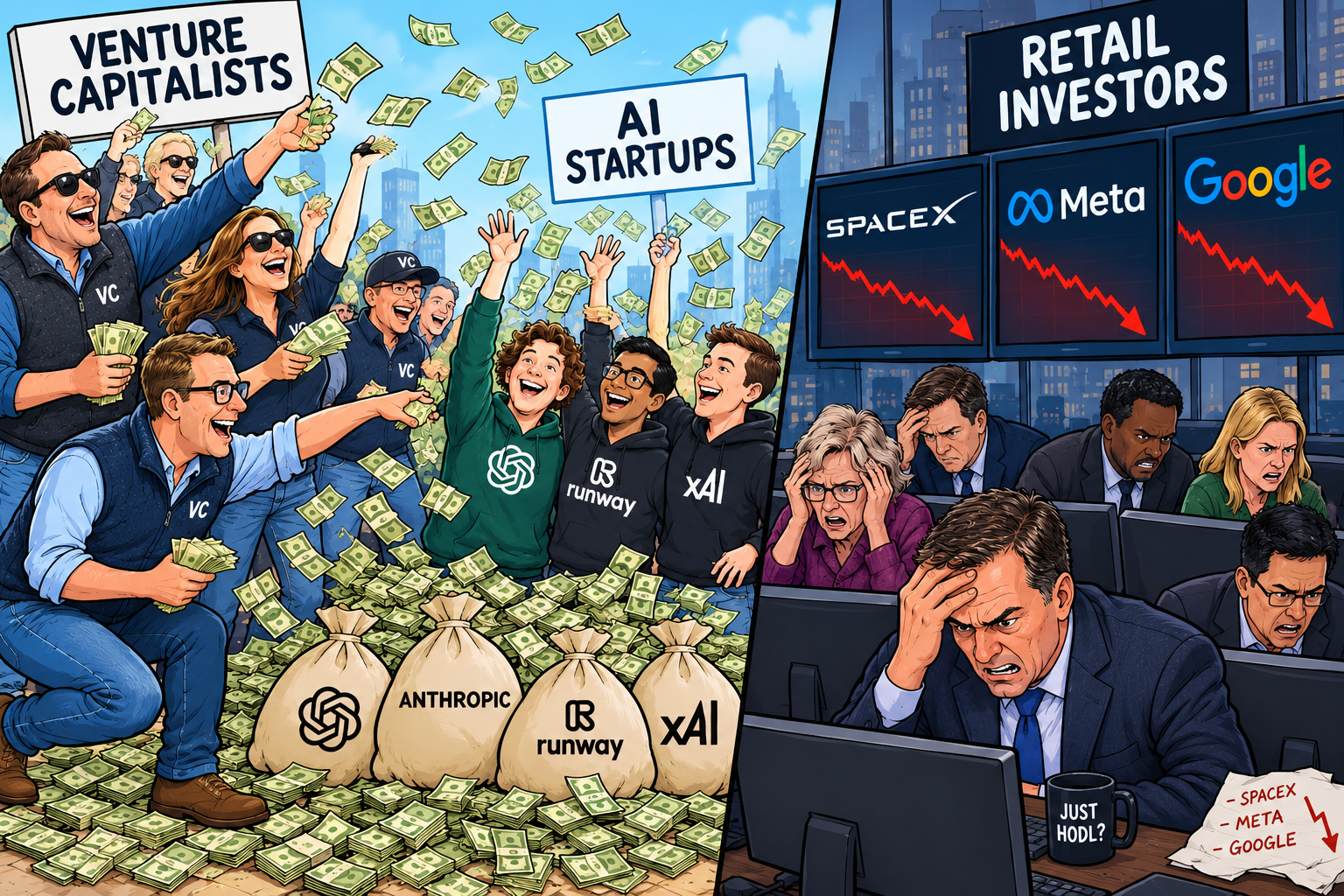
The artificial intelligence landscape is currently defined by a sharp divergence in perspective. For some, AI remains the singular greatest investment opportunity of the decade. For others, the reality of ballooning infrastructure costs and the intense energy demands of modern data centers has introduced a layer of skepticism previously unseen in the sector.
Venture capital firms are increasingly tapping into liquidity pools and warehouse loans to maintain the speed of their AI investments. However, as the hype cycle meets the hard constraints of physical infrastructure, the market is beginning to differentiate between sustainable growth and speculative exhaustion.
The Infrastructure Bottleneck
Building the foundation for the AI era is proving to be far more complex than designing the software itself. The buildout of AI-ready infrastructure—spanning high-density compute, advanced cooling systems, and specialized data centers—has hit significant real-world friction. Key constraints include:
- Power and water constraints: Local zoning and environmental limitations are forcing investors to prioritize location strategy over speed.
- Supply chain fragility: Advanced chip manufacturing and lithography systems are concentrated among a few global players, creating inevitable supply bottlenecks.
- Long lead times: Constructing data centers and semiconductor plants requires years of planning, creating a mismatch between immediate AI demand and future physical capacity.
Operational Reality vs. Hype
While capital continues to flow, the industry is shifting toward more intelligent, future-facing strategies. Investors are no longer just looking for the next generative breakthrough; they are evaluating the transactional risks, geopolitical volatility, and regulatory pressures that come with being a major infrastructure player.
Persistent constraints despite record capex may signal that demand is outpacing supply—a condition that historically has supported pricing power for companies at the chokepoints.
— VanEck Thematic Investing
Looking Toward 2030
As we move toward 2030, the market is bracing for new challenges. Beyond the hardware, regulatory changes like California’s shifting software procurement policies represent an emerging 'SaaS tax' environment that could force enterprises to rethink their software dependencies. For the AI sector, success will depend on managing these systemic risks while simultaneously solving the sustainability of the hardware that powers the next generation of discovery.