energy & technology••4 min read

Massive Alaska North Slope Gas Discovery Could Power U.S. for Nearly 3 Years

The U.S. Geological Survey has identified 96 trillion cubic feet of undiscovered, technically recoverable natural gas on Alaska's North Slope. This significant finding could dramatically shift the domestic energy landscape. However, the path to bringing this resource to market remains tied to ongoing infrastructure debates.

Massive Alaska North Slope Gas Discovery Could Power U.S. for Nearly 3 Years

A New Energy Frontier in the North

The United States’ energy potential has expanded significantly following a new resource assessment from the U.S. Geological Survey (USGS). The agency announced that Alaska’s North Slope holds an estimated 96 trillion cubic feet of undiscovered, technically recoverable natural gas. This volume is nearly triple the region's existing proven gas reserves of 35 trillion cubic feet.

For a nation constantly evaluating its energy security and export capabilities, this discovery represents a major development. Experts suggest that the volume of gas identified is equivalent to roughly three years of total American supply at current usage rates, highlighting the sheer scale of the North Slope’s potential.
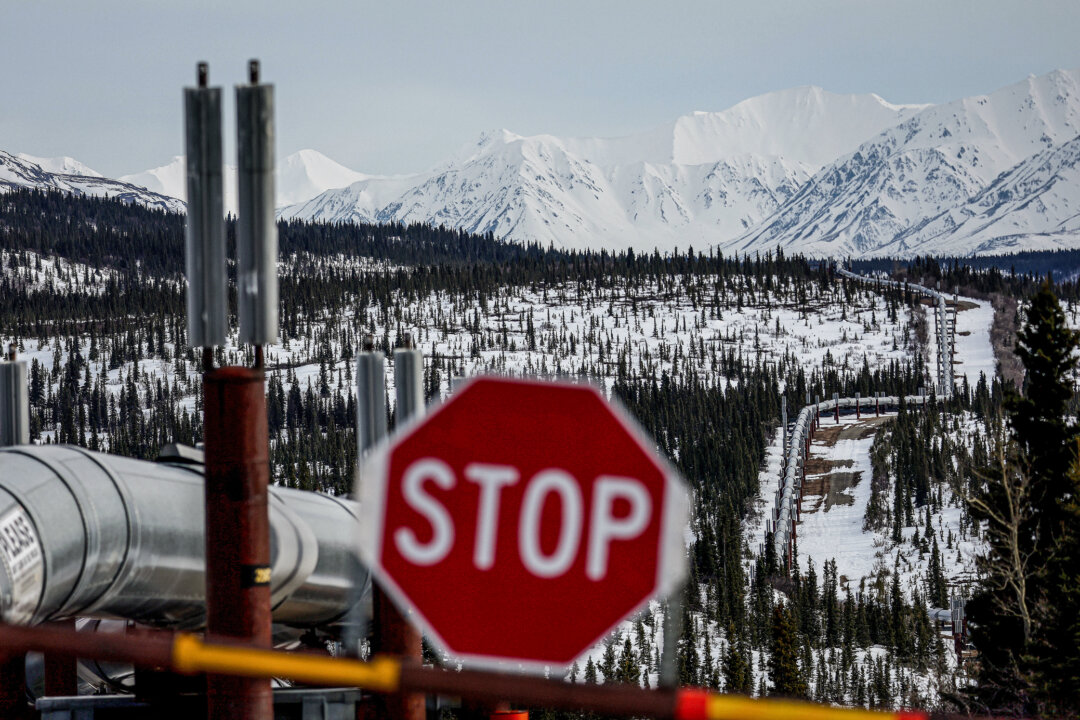
The Trans Alaska Pipeline System remains a critical component of Alaska's infrastructure as the state seeks to expand its natural gas capabilities.

The Infrastructure Hurdle

Despite the abundance of resources, the North Slope has historically faced a significant geographic and logistical challenge: the lack of a pipeline to transport natural gas to broader markets. Currently, much of the gas produced alongside oil operations is re-injected into reservoirs because it cannot be moved to a commercial buyer economically.

  • Proven reserves on the North Slope currently stand at 35 trillion cubic feet.
  • The new USGS assessment adds 96 trillion cubic feet of potential resources.
  • Infrastructure projects, such as the Alaska LNG pipeline, are central to the debate on how to monetize these findings.
  • Regulatory and economic hurdles have historically delayed the construction of major gas export infrastructure in the region.

What Lies Ahead for Alaska’s Energy

The discovery is reigniting conversations about the future of the Alaska LNG project. With private companies and policymakers looking to secure domestic energy supply and international export partnerships, the pressure to complete a pipeline from the North Slope to Southcentral Alaska is mounting. Proponents argue that such infrastructure is essential to turn these theoretical resources into tangible economic and energy assets.

Interior science is helping reveal the resources that could power the future of American energy.

— U.S. Geological Survey (via X)

Key Takeaways

  • The USGS estimates 96 trillion cubic feet of undiscovered, technically recoverable natural gas on Alaska’s North Slope.
  • This discovery represents approximately three years of U.S. gas supply based on current consumption.
  • The region currently holds 35 trillion cubic feet of proven natural gas reserves.
  • The primary challenge to utilizing these resources remains the lack of pipeline infrastructure.
  • Efforts are ongoing to advance the Alaska LNG project to enable regional and international distribution.

FAQ

How much natural gas was discovered on the North Slope?

The USGS estimates there are 96 trillion cubic feet of undiscovered, technically recoverable natural gas in the region.

Why hasn't this gas been used before?

Historically, the lack of a natural gas pipeline from the North Slope to external markets has made it difficult to sell the gas, leading producers to re-inject it into reservoirs.

How much of the U.S. supply does this represent?

Based on current national usage rates, the discovered volume could satisfy roughly three years of total American gas supply.

Is this gas immediately available?

No, these are estimates of 'undiscovered, technically recoverable' resources, and significant infrastructure, such as pipelines, would be required to bring them to market.

Related Videos

Why Alaska's Gas Pipeline Still Isn't Built

VDOFactor

How Alaskan Oil Works

distantelephant

Alaska's 14 Billion Barrel Secret: Why the Pipeline Is Dying

Rob's Beyond The Ice

Sources