A Strategic Shift in Assets
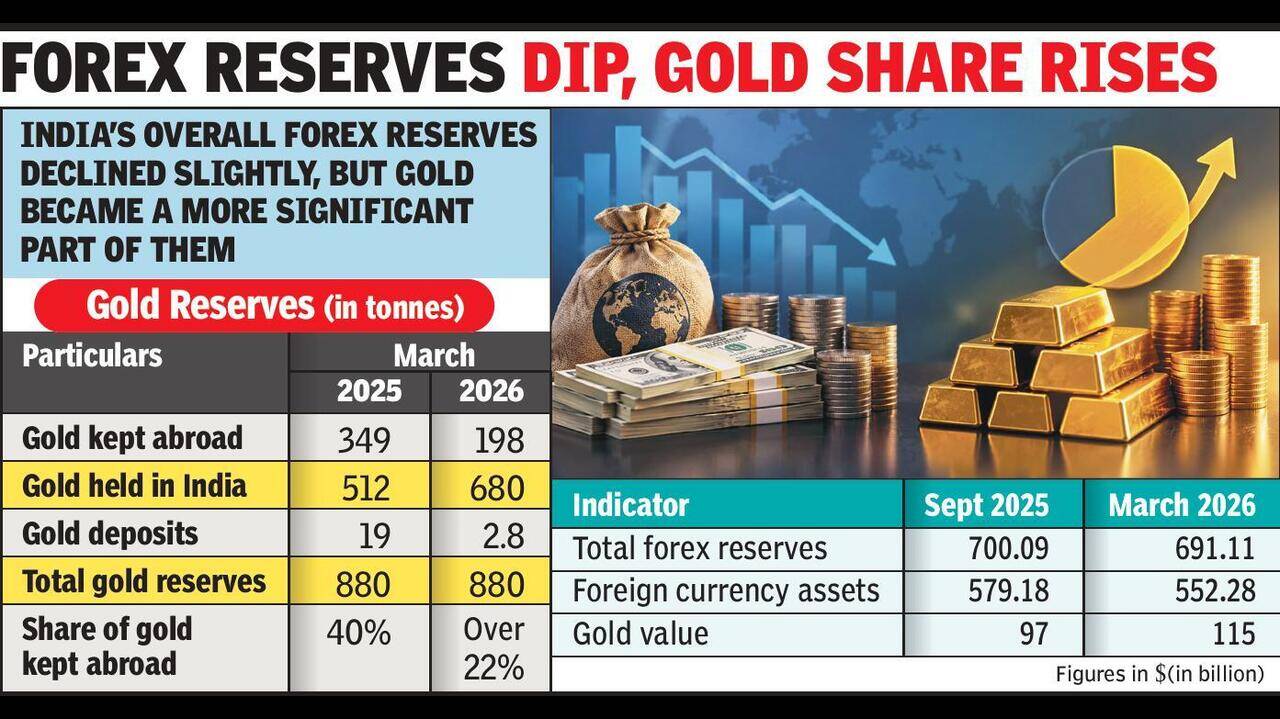
In a move that signals a fundamental change in how India views its economic security, the Reserve Bank of India (RBI) has been steadily bringing its gold reserves back onto domestic soil. According to recent data, the proportion of India's gold held abroad has plummeted from 40% to approximately 22% over the last fiscal year. This isn't merely a logistical change—it is a calculated play for financial independence.
The Why Behind the Repatriation
For decades, central banks maintained significant portions of their gold reserves in foreign vaults, often to facilitate international liquidity and ease of trading. However, the global financial environment has shifted. Following recent international conflicts, many central banks have begun to view assets held outside their borders as potential liabilities if geopolitical tensions rise.
- Financial Sovereignty: By keeping the majority of its gold physically within India, the RBI ensures total control over its most critical asset, immune to international freezing or sanctions.
- Risk Mitigation: Recent global events have highlighted the risks of holding sovereign assets in foreign jurisdictions.
- Strategic Diversification: Gold now accounts for a larger share of India’s foreign exchange reserves (roughly 16.7%), acting as a vital hedge against currency shocks.
- Changing Global Order: The trend toward repatriation is mirrored by other central banks globally, reflecting a loss of trust in traditional international storage models.
Economic Stability in an Uncertain World
The push to bring gold home is part of a broader strategy to fortify India's financial safety net. While the rupee has faced pressure from dollar outflows and fluctuating oil costs, the accumulation of physical gold provides a tangible buffer. By securing these reserves domestically, the RBI is effectively insulating India from global market stress and ensuring that its reserves remain accessible regardless of international circumstances.
Keeping gold at home gives full control. Recent global events have shown that assets kept abroad can be frozen without warning.
— Financial Analyst Commentary