science & culture••4 min read

Van Gogh’s 'The Starry Night' Wasn't a Fantasy: New Research Pins Down the Exact Date

For over a century, art historians debated whether Vincent van Gogh’s masterpiece was a product of pure imagination. A new multidisciplinary study has finally decoded the celestial alignment in the painting, linking it to a specific dawn in 1889.

Van Gogh’s 'The Starry Night' Wasn't a Fantasy: New Research Pins Down the Exact Date

Solving a Century-Old Astronomical Mystery

For generations, the swirling, vibrant sky of Vincent van Gogh’s 'The Starry Night' has been interpreted as the ultimate expression of the artist's internal turmoil and creative imagination. While critics and historians have long analyzed its brushwork, the specific celestial arrangement depicted in the masterpiece remained a subject of intense debate. Now, a study published in the journal Scientific Reports has moved the conversation from speculation to science, identifying the exact night sky Van Gogh observed: July 22, 1889.
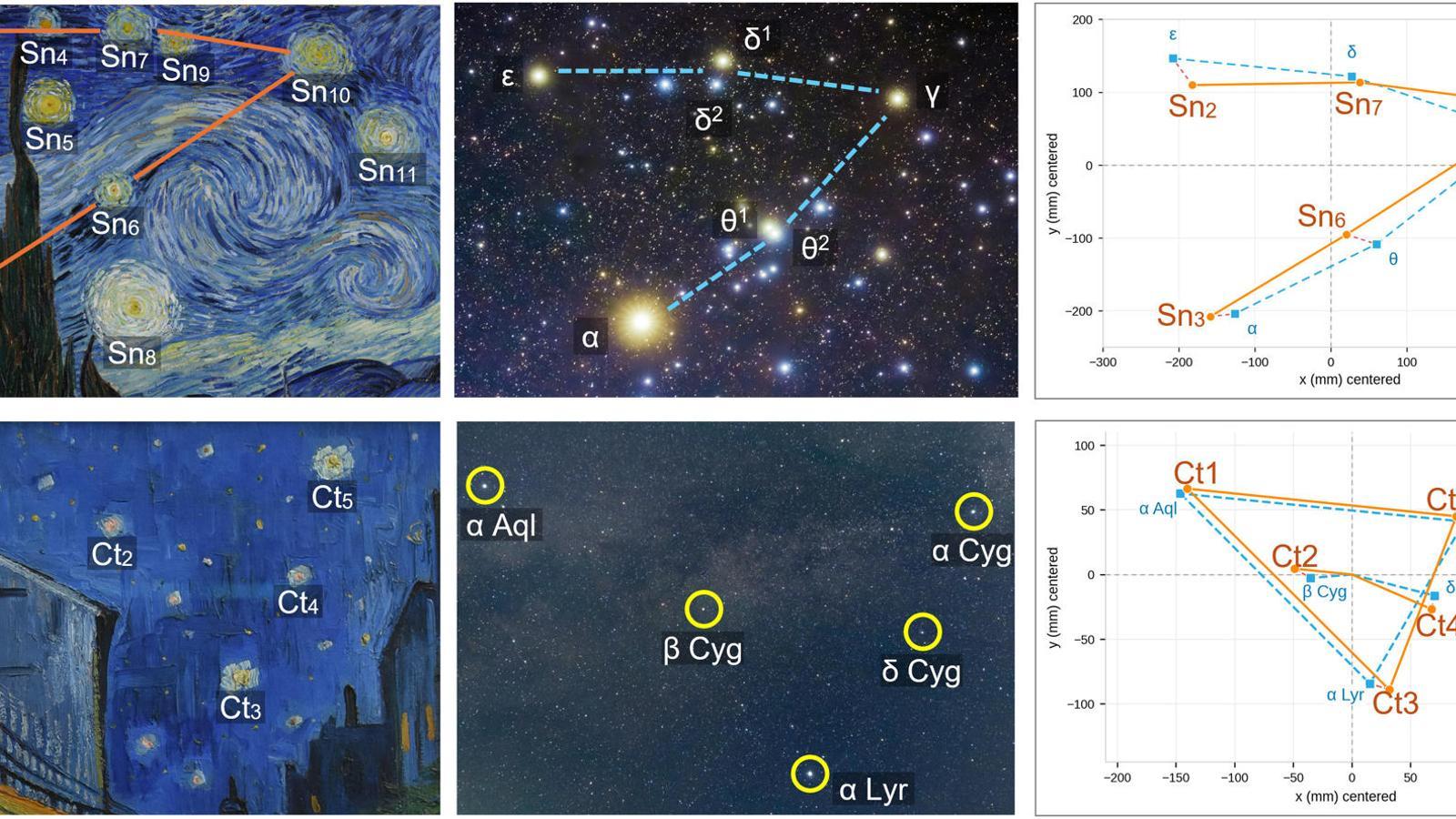
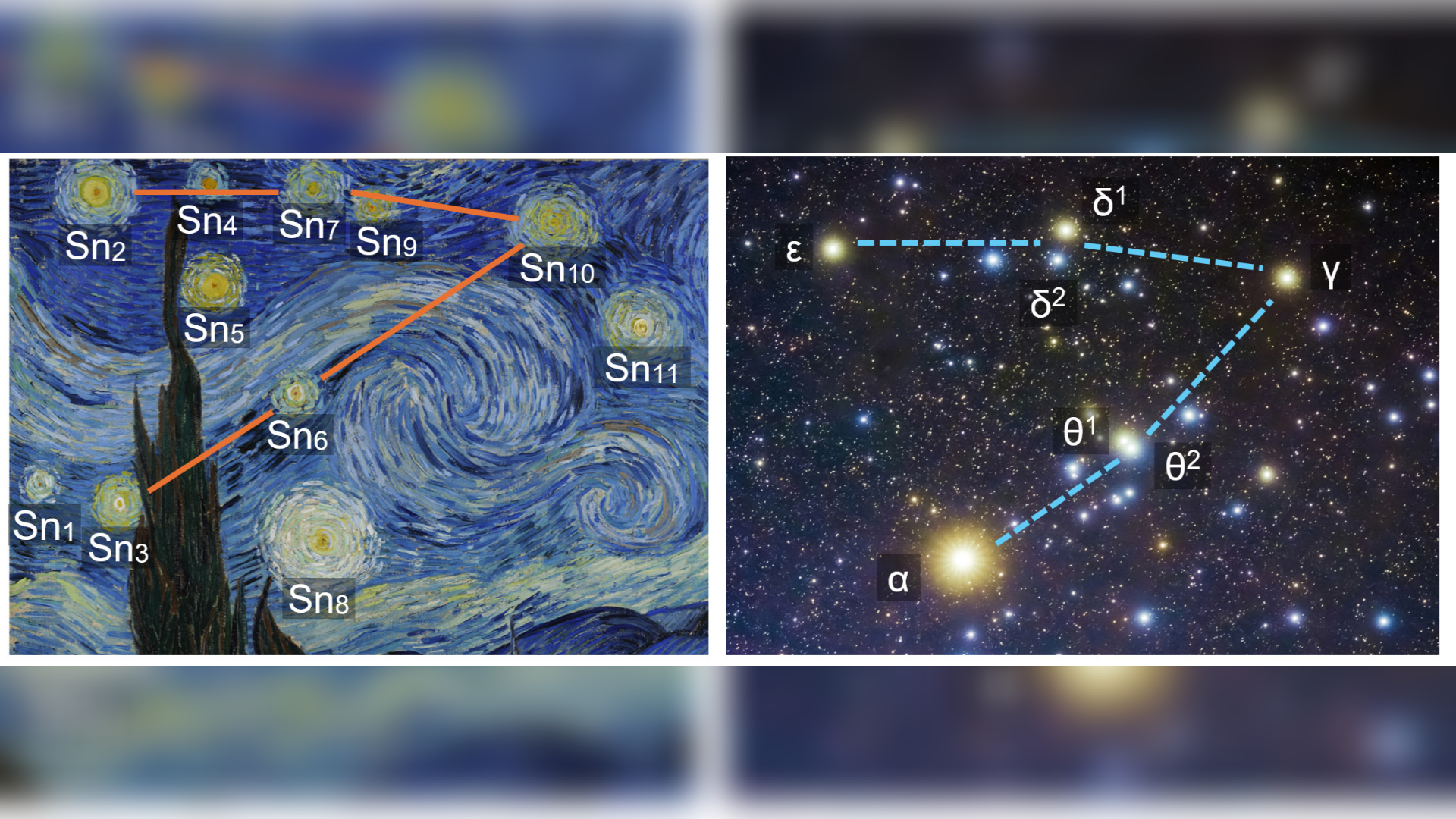
A multidisciplinary team combined astronomical simulations with historical records to analyze the painting.

The Science of the Sky

To reach this conclusion, a team of researchers utilized a combination of astronomical simulations, historical weather data, and the artist's own correspondence. By analyzing the positioning of the crescent moon, the brightness of Venus, and the V-shaped formation of the Hyades star cluster, researchers mapped the canvas against the actual night sky as it appeared in Saint-Rémy-de-Provence.

  • Venus and the crescent moon match celestial positions from before dawn on July 22, 1889.
  • Procrustes analysis confirmed the arrangement of stars on the canvas mirrors actual coordinate alignments.
  • Historical weather records suggest clear skies, making the astronomical features observable.
  • The study utilized the artist’s location to account for the geometric horizon formed by the Petit Luberon massif.

Moving Beyond Imagination

This research doesn't diminish the emotional power of the work, but rather adds a layer of precision to our understanding of Van Gogh’s process. The study suggests that while Van Gogh may have added his own artistic flair—such as the glowing intensity of the stars—the underlying structure of the sky was rooted in genuine observation rather than a purely fantastical invention.

An observational basis is not an assertion but an object of verification.

— Scientific Reports study on The Starry Night

Key Takeaways

  • Researchers identified July 22, 1889, as the date represented in the painting.
  • The analysis utilized astronomical simulations to match stars and planets.
  • The findings suggest Van Gogh relied on real-world observation for the celestial alignment.
  • The study highlights that Van Gogh’s mastery involved both acute observation and stylistic interpretation.
  • Multidisciplinary approaches are successfully bridging the gap between art history and science.

FAQ

Is 'The Starry Night' based on a real sky?

Yes, new research indicates that the stars and planetary alignments depicted closely match the celestial layout on the morning of July 22, 1889.

Did Van Gogh make up the stars?

While he certainly used artistic license to enhance the glow and movement of the stars, the positioning of the main celestial bodies follows real astronomical patterns.

How did researchers determine the date?

Researchers used astronomical software to map the positions of the moon, Venus, and the Hyades cluster, cross-referencing these with the view from Saint-Rémy-de-Provence.

Why does this discovery matter?

It helps resolve a long-standing debate among art historians and showcases how technology can provide deeper insights into the creative processes of historical artists.

Related Videos

The unexpected math behind Van Gogh's "Starry Night"

TED-Ed

UPDATED: Vincent Van Gogh's The Starry Night: Great Art Explained

Great Art Explained

Starry Night Analysis | What makes van Gogh unique?

Cogito Creative

Sources