tech news••5 min read

The PHP Security Crisis: Why the Internet Is Voluntarily Going Offline

A pair of critical vulnerabilities in the PHP programming language has triggered a massive, proactive defensive response across the globe. Governments and major websites are taking services offline to prevent potential remote code execution attacks before patches are fully deployed.

The PHP Security Crisis: Why the Internet Is Voluntarily Going Offline

A Looming Threat to the Digital Backbone

The internet is currently in a state of high alert as security researchers and the PHP Foundation scramble to address two critical remote code execution (RCE) vulnerabilities. Tracked as CVE-2026-109618 and CVE-2026-109619, these flaws impact the core of the PHP language—the engine that powers a vast percentage of the world's websites, from small blogs to major government infrastructure.

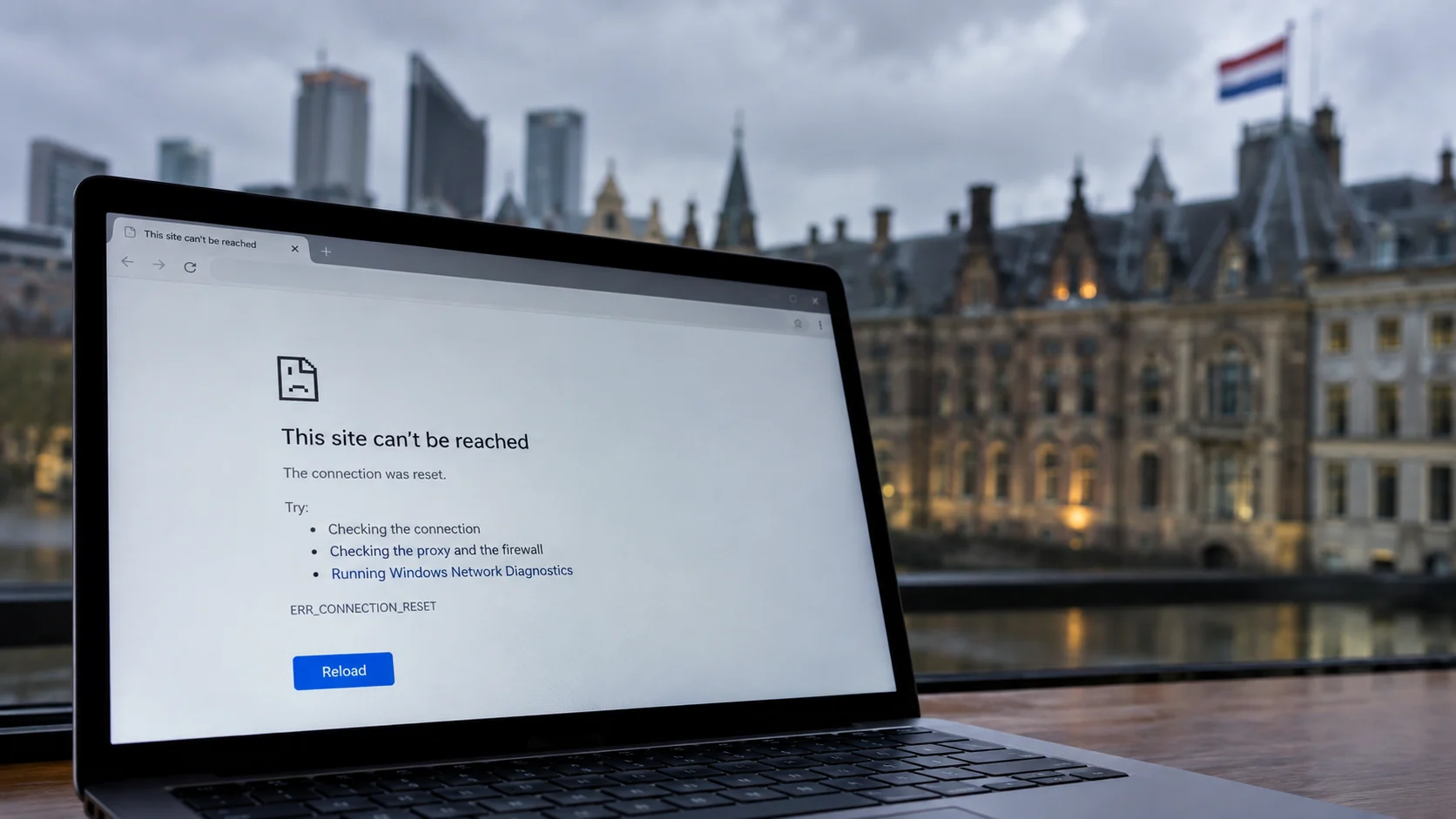
With a staggering CVSS score of 9.2 out of 10, these bugs represent a 'critical' threat. In a rare and dramatic display of caution, EU cybersecurity officials and various organizations have begun taking internet-facing applications offline entirely, viewing isolation as the only effective way to prevent exploitation before official patches are fully distributed.

Understanding the Vulnerabilities

The flaws are rooted in memory-corruption bugs within PHP's session upload-progress feature. CVE-2026-109618 specifically involves a 'use-after-free' vulnerability. Because these flaws exist in the core of the language, they are remarkably pervasive.

  • Scope: Potentially all PHP installations serving web requests since version 5 (released 2004).
  • Severity: CVSS score of 9.2, indicating a critical risk of full system compromise.
  • Impact: Allows attackers to execute arbitrary code on a server, leading to data theft, website defacement, or total control.
  • Proactive Response: Many organizations are voluntarily disconnecting from the public internet to mitigate the window of exposure.

The impact is enormous. Especially if attackers would turn to exploiting these vulnerabilities fast. Worst case is wormable malware affecting big chunks of the internet.

— Security Researcher

What Comes Next for Website Administrators

The PHP Foundation has confirmed that while the flaws affect legacy versions, only PHP 8.2 and newer remain officially supported and guaranteed for patches. For administrators, the immediate priority is monitoring for the release of these patches and preparing systems for an emergency update cycle. Security experts have warned that once technical details of the exploits are fully disclosed, the window for mass exploitation could be as short as 15 minutes.

Key Takeaways

  • Two critical PHP vulnerabilities (CVE-2026-109618 and CVE-2026-109619) are threatening millions of websites.
  • The vulnerabilities allow for remote code execution, giving attackers potential control over affected servers.
  • Proactive measures include taking sensitive, internet-facing PHP applications offline until patches are applied.
  • The PHP Foundation is prioritizing fixes for supported versions (PHP 8.2+).
  • Organizations should monitor official PHP channels for immediate updates to secure their infrastructure.

FAQ

What is the primary danger of these PHP vulnerabilities?

The primary danger is remote code execution (RCE), which allows an unauthorized attacker to run their own code on a web server, potentially compromising data and system integrity.

Are all PHP websites at risk?

Potentially, yes. The flaws affect PHP installations dating back to version 5, though the most immediate support and patching will be directed at currently supported versions like PHP 8.2 and newer.

Why are some websites choosing to go offline?

Organizations are voluntarily taking sites offline to isolate them from public networks, preventing attackers from exploiting the vulnerability before a security patch can be installed.

What should I do if I manage a PHP-based website?

Monitor the official PHP website for patch announcements, prepare your environment for an immediate update, and follow guidance from your local cybersecurity authority regarding temporary isolation.

Related Videos

PHP2Shell - The PHP Flaw That Took Government Websites Offline, Explained

Refreshing AI Latest

Critical PHP Flaws Put WordPress and Millions of Websites at Risk

STARTUP HAKK

PHP Security Alert: Urgent Fix Required for Millions of Sites

WFTV Channel 9

Sources