technology••5 min read

Why NVIDIA’s New AI Strategy is the Final Piece for Self-Driving Success

NVIDIA has launched a massive expansion of its Hyperion platform to usher in the era of Level 4 autonomous vehicles. By integrating its new Alpamayo reasoning models and Halos safety framework, the company aims to move robotaxis and freight from testing to mass-market reality.

Why NVIDIA’s New AI Strategy is the Final Piece for Self-Driving Success

A Major Pivot Toward Full Autonomy

The dream of a fully autonomous robotaxi fleet has long been hampered by the gap between experimental pilots and real-world deployment. At GTC Berlin, NVIDIA announced a significant leap forward, unveiling a suite of AI technologies and hardware architectures designed to make Level 4 autonomy a scalable, commercial reality. By uniting its Hyperion computing platform with the new Alpamayo reasoning models, NVIDIA is providing automakers with a standardized, production-ready foundation.
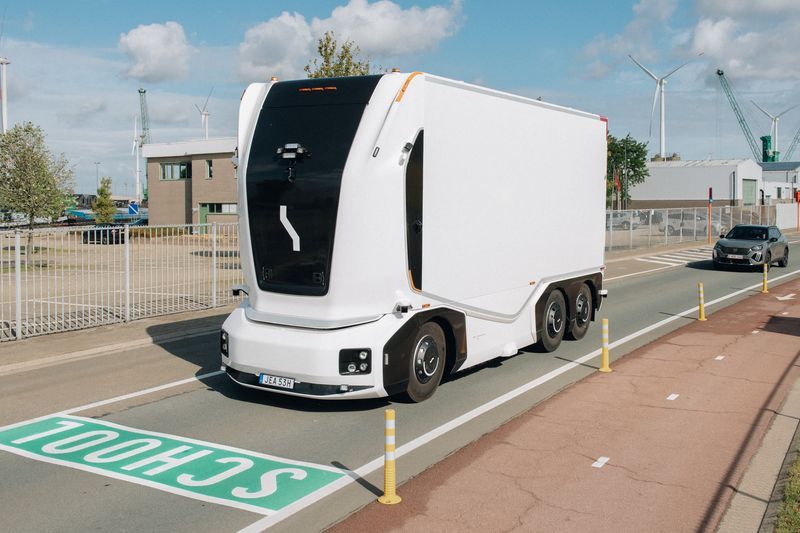
Einride is among the industry leaders integrating NVIDIA's latest AI reasoning models into their autonomous freight trucks.

Why Hyperion and Alpamayo Matter

The challenge for autonomous vehicle (AV) developers is twofold: ensuring safety and reducing the massive costs associated with development cycles. NVIDIA’s new ecosystem addresses both. The Halos SAFE framework provides a verifiable pathway to regulatory approval by connecting simulation to physical road testing, while the Alpamayo reasoning models offer the intelligence required for complex scene understanding.

  • Alpamayo 2 Edge: A 2-billion-parameter model optimized for in-vehicle motion planning and scene understanding.
  • Halos SAFE: A safety assurance framework that generates traceable evidence for regulators.
  • Reduced Development Costs: Partners like Porsche expect to reduce physical test drives by up to 90% using digital simulation tools.
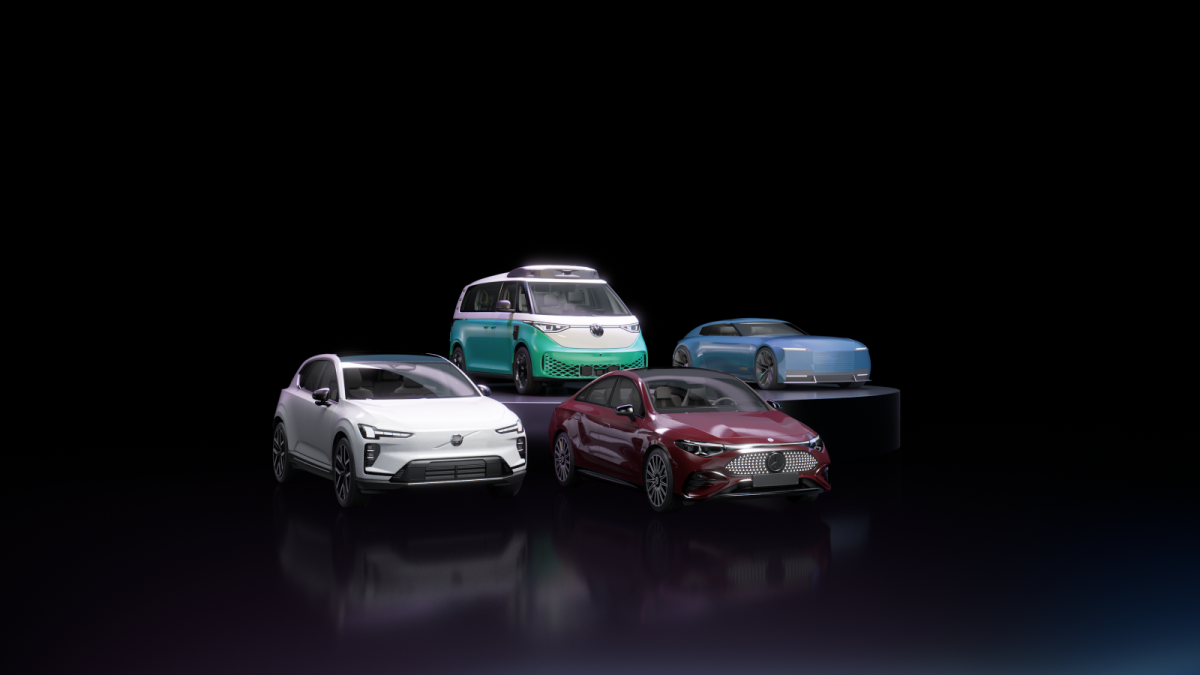
  • Wide Adoption: Major players including Mercedes-Benz, Volkswagen, and Einride are already integrating these technologies.

Robotaxis are the first mass-market application of robotics and physical AI, reinventing how people and goods move.

— Jensen Huang, Founder and CEO of NVIDIA

The Road Ahead for Robotaxis

The impact of this update extends beyond passenger cars. Einride is leveraging the new AI stack for its autonomous freight trucks, while companies like Bolt are preparing for large-scale robotaxi rollouts. By 2027, the focus will shift from 'if' these vehicles can operate to 'how fast' they can be scaled across international markets. As manufacturers move toward a unified hardware architecture under Hyperion, the barrier to entry for safe, level 4 autonomy is dropping significantly.

Key Takeaways

  • NVIDIA has unveiled a full-stack platform for Level 4 autonomy, combining Hyperion hardware with Alpamayo AI reasoning models.
  • The new Halos SAFE framework provides a standardized path for AV developers to meet regulatory safety requirements.
  • Major automakers and logistics firms like Mercedes-Benz, Volkswagen, and Einride are already adopting these tools.
  • Simulation technology is drastically reducing the need for costly and time-consuming physical test drives.
  • Large-scale commercial robotaxi rollouts are expected to gain momentum starting in 2027.

FAQ

What is NVIDIA Hyperion?

Hyperion is a production-ready hardware architecture and compute platform designed to support autonomous vehicle programs from L2++ to Level 4.

What is the role of the Alpamayo model?

Alpamayo serves as an AI reasoning model that handles in-vehicle scene understanding, motion planning, and decision-making for autonomous driving.

How does NVIDIA help with safety regulation?

NVIDIA’s Halos SAFE framework provides developers with a clear, traceable methodology to validate AI behavior and generate safety evidence for regulators.

When will these technologies impact commercial robotaxis?

Large-scale deployments for robotaxi programs, supported by NVIDIA’s latest platforms, are slated to begin in 2027.

Related Videos

GTC March 2025 Keynote with NVIDIA CEO Jensen Huang

NVIDIA

Nvidia GTC Taipei 2026: Jensen Huang Full Keynote

Yahoo Finance

Sources