A New Era for Google Hardware
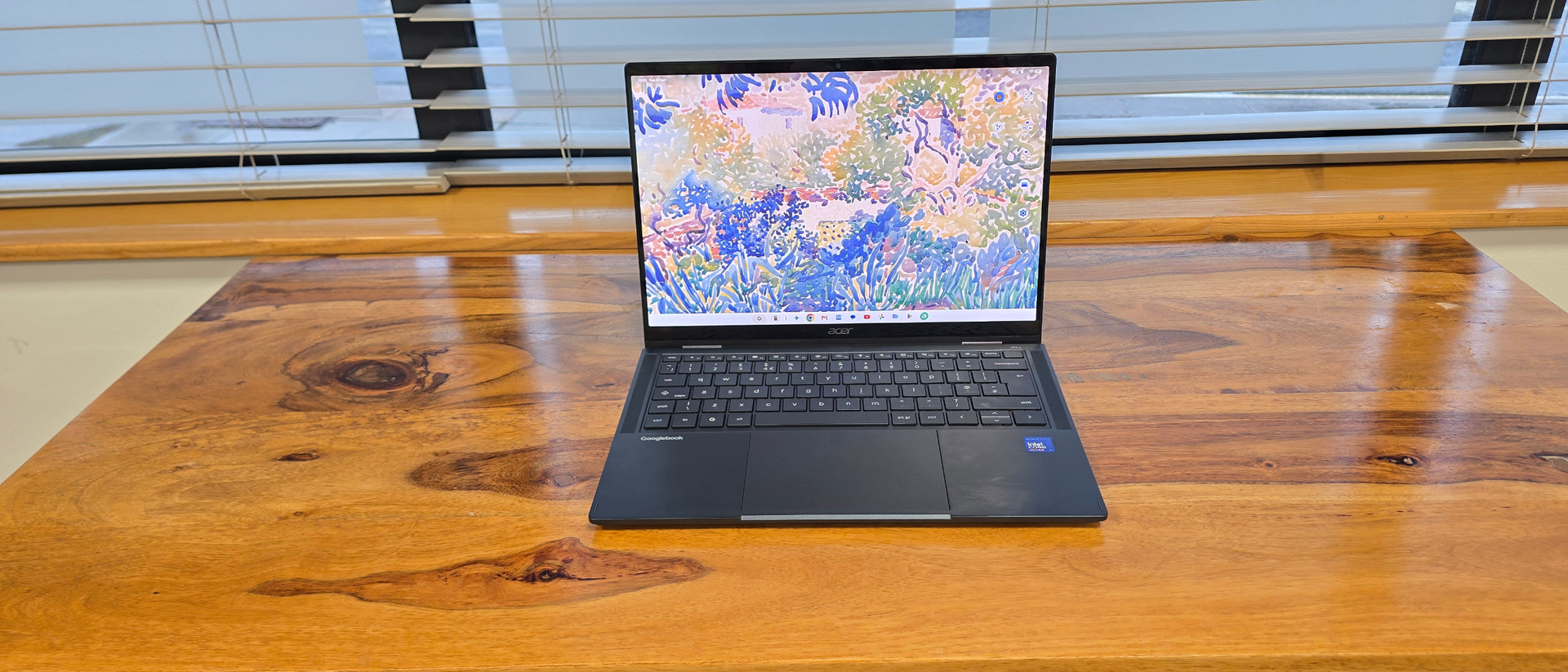
For years, the word 'Chromebook' was synonymous with budget-friendly, entry-level devices. With the launch of the new Googlebook line—including the Acer Googlebook 14—Google is shedding that image. These machines are designed to compete directly with premium heavyweights like the MacBook Air and Windows-based ultrabooks, blending high-end specs with the new Googlebook OS.
Starting at £999, these laptops aren't meant for classrooms; they are built for professionals who want a seamless, AI-integrated ecosystem. But does the software live up to the premium price tag?

Hardware That Commands Attention
The Acer Googlebook 14 is a testament to Google’s push for premium hardware. Under the hood, it packs a serious punch that leaves traditional Chromebooks in the dust.
- Processor: Up to Intel Core Ultra 7 355 with integrated NPU for AI tasks.
- Display: 14-inch 2.8K OLED 120Hz touchscreen with 500-nit brightness.
- Memory: 16GB to 32GB of LPDDR5X RAM.
- Design: Lightweight aluminum-magnesium chassis with a unique LED Glowbar for battery and Gemini AI status.
The display is particularly striking. The 16:10 OLED panel provides deep blacks and vibrant colors, making it a strong contender for creative work. Furthermore, the inclusion of an Intel Core Ultra processor ensures that the device is future-proofed for on-device AI operations, powered by Google’s Gemini intelligence.
The Software Hurdle: Innovation or Growing Pains?
While the hardware is top-tier, the user experience hinges on Googlebook OS. Built on Android, the operating system is designed for deep integration with your smartphone, offering features like 'Instant Pixel Sync' and advanced voice-to-text capabilities.
The more lasting question is really whether the software this machine is running will make sense for you.
— T3 Technology Review
Early reviews suggest that while the OS is innovative, it suffers from first-generation 'growing pains.' Some users have noted that the interface, while powerful, can feel underbaked compared to the mature ecosystems of macOS or Windows. For those deep in the Google ecosystem, however, the seamless connectivity might be enough to outweigh these minor software discrepancies.