science & space••4 min read

NASA Solves Bennu Heat Mystery: The Secret Hiding Inside Asteroid Boulders

NASA has officially concluded its historic OSIRIS-REx mission after solving a long-standing mystery regarding asteroid Bennu's rapid heat loss. Analysis of returned samples reveals that the asteroid's boulders are filled with internal cracks, finally explaining data that baffled researchers for years.

NASA Solves Bennu Heat Mystery: The Secret Hiding Inside Asteroid Boulders

A Cold Mystery in Deep Space

For years, asteroid Bennu has been a source of fascination and frustration for planetary scientists. While the asteroid is covered in massive, rugged boulders, it exhibited a peculiar thermal behavior: it lost heat much faster than expected. Typically, large rocks retain heat, creating a specific thermal signature. Bennu, however, seemed to act as if its surface was made of much smaller, finer material.

Following the conclusion of NASA’s historic OSIRIS-REx mission on September 30, scientists finally had the evidence needed to solve this puzzle. By examining the pristine samples returned to Earth, researchers discovered that the surface mystery was not a malfunction of remote sensors, but a structural secret hidden deep within the asteroid’s rocks.

The OSIRIS-REx mission successfully returned the largest sample of an asteroid in space history.

The Cracks Beneath the Surface

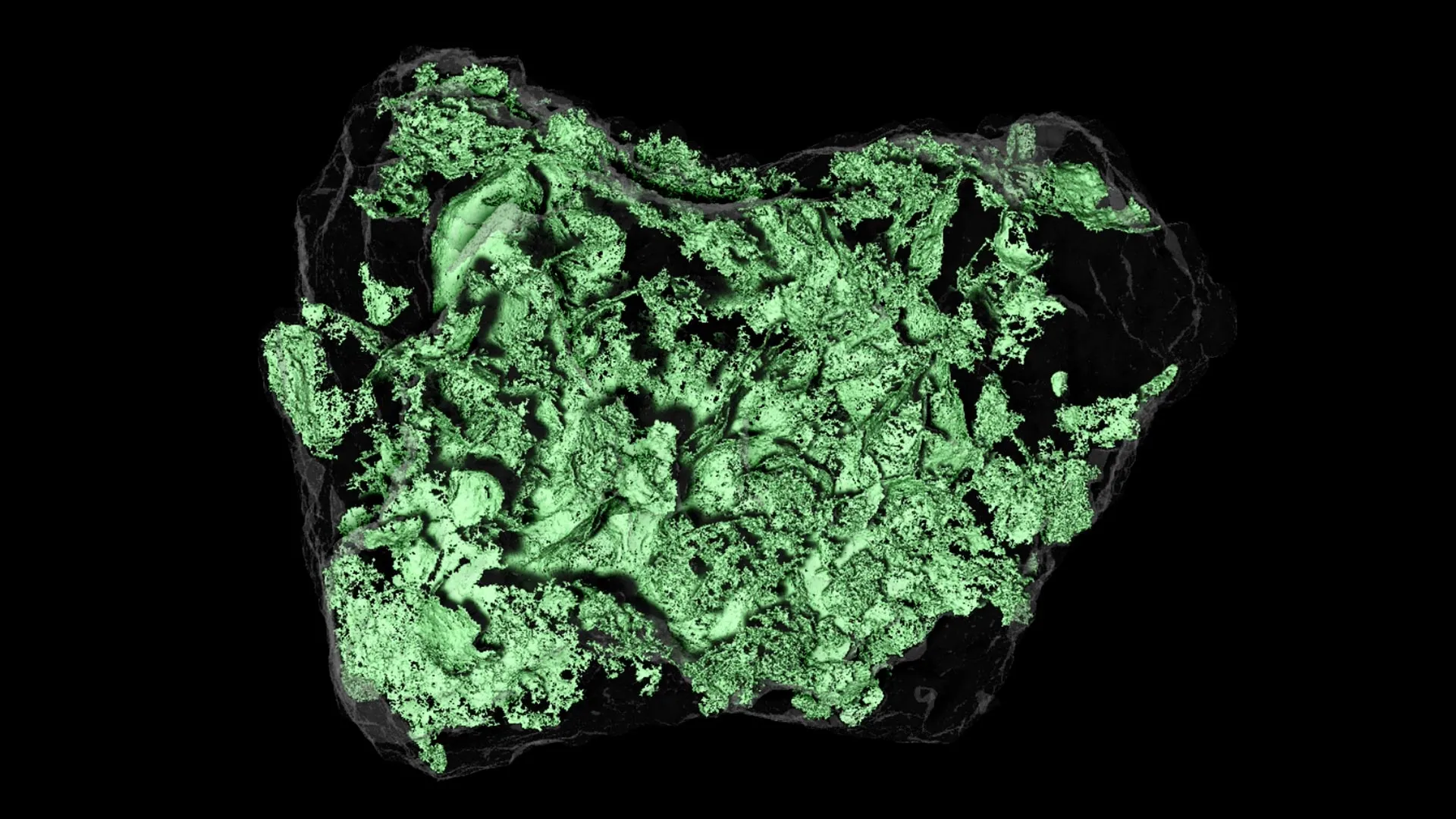
The answer, according to recent findings, lies in microscopic fractures. The boulders on Bennu are not solid, uniform blocks of stone; they are riddled with internal cracks. These fractures increase the surface area of the rocks, allowing them to release absorbed heat much more efficiently than a solid, non-porous rock would.

  • Increased porosity: The internal cracks allow for faster thermal emission.
  • Surface behavior: The fragmented nature of the rocks causes the asteroid to cool down rapidly as it rotates away from the sun.
  • Material analysis: High-resolution X-ray analysis of the returned samples provided the definitive evidence for this internal structure.

Why This Discovery Matters

Understanding the physical properties of asteroids like Bennu is not just academic curiosity. Because Bennu is a near-Earth object, characterizing its internal structure is vital for long-term planetary defense. Knowing whether an asteroid is a solid monolithic rock or a porous, cracked body is a critical piece of the puzzle for any future impact-avoidance strategy.

I am immensely proud of what we did.

— NASA Spokesperson regarding the OSIRIS-REx mission

Beyond defense, the samples are a treasure trove of early solar system history. Previous analysis of the Bennu material has already revealed the presence of water, amino acids, and other building blocks of life, suggesting that asteroids may have played a significant role in delivering the necessary ingredients for life to early Earth.

Key Takeaways

  • NASA successfully concluded the OSIRIS-REx mission, the first U.S. effort to return an asteroid sample to Earth.
  • Bennu’s rapid heat loss was caused by hidden internal cracks within its boulders, which were revealed through sample analysis.
  • These fractures increase the surface area of the rocks, causing them to shed heat faster than solid boulders.
  • The mission provided critical data for planetary defense by improving our understanding of asteroid composition.
  • Returned samples contain organic matter, including amino acids, reinforcing theories about the origins of life on Earth.

FAQ

Why did Bennu lose heat so quickly?

Bennu's boulders contain microscopic internal cracks that increase their surface area, allowing them to release heat faster than solid rock.

What was the primary goal of the OSIRIS-REx mission?

The mission was designed to collect and return a pristine sample from asteroid Bennu to help scientists understand the solar system's origins and refine planetary defense strategies.

When did the OSIRIS-REx mission officially end?

NASA officially concluded the mission on September 30.

What else have scientists found in the Bennu samples?

Beyond physical composition, researchers have identified water, carbon, nitrogen, and amino acids—the building blocks of life—within the samples.

Related Videos

What NASA Unexpectedly Discovered When They Opened the Bennu Sample

Astrum

OSIRIS-REx Sample Collection at Asteroid Bennu: SamCam View of TAGSAM

NASA Video

NASA OSIRIS-REx Mission: Analysis of Samples from Asteroid 101955 Bennu

North Carolina Museum of Natural Sciences

Sources