The New Reality: Why Wrinkles Are Appearing Earlier
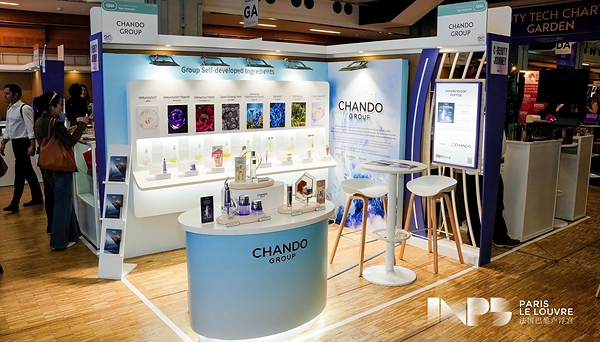
For many, skin aging was long considered an inevitable biological clock. However, new research from the CHANDO Group, presented at the 12th edition of COSMETIC 360 in Paris, suggests a more urgent culprit: our modern, high-stress lifestyle. Data comparing skin health between 2018 and 2023 indicates that wrinkle formation in Chinese women is accelerating, appearing approximately four years earlier than in previous cohorts.
This phenomenon, which the research team has dubbed 'Fatiguescence' (Fatigue-Aging), is directly linked to lifestyle factors such as sleep deprivation, cumulative stress, and poor dietary habits at younger ages. Rather than just surface-level wear, this premature aging is tied to mitochondrial dysfunction and depleted cellular energy metabolism.
Using AI to Decode Cellular Longevity
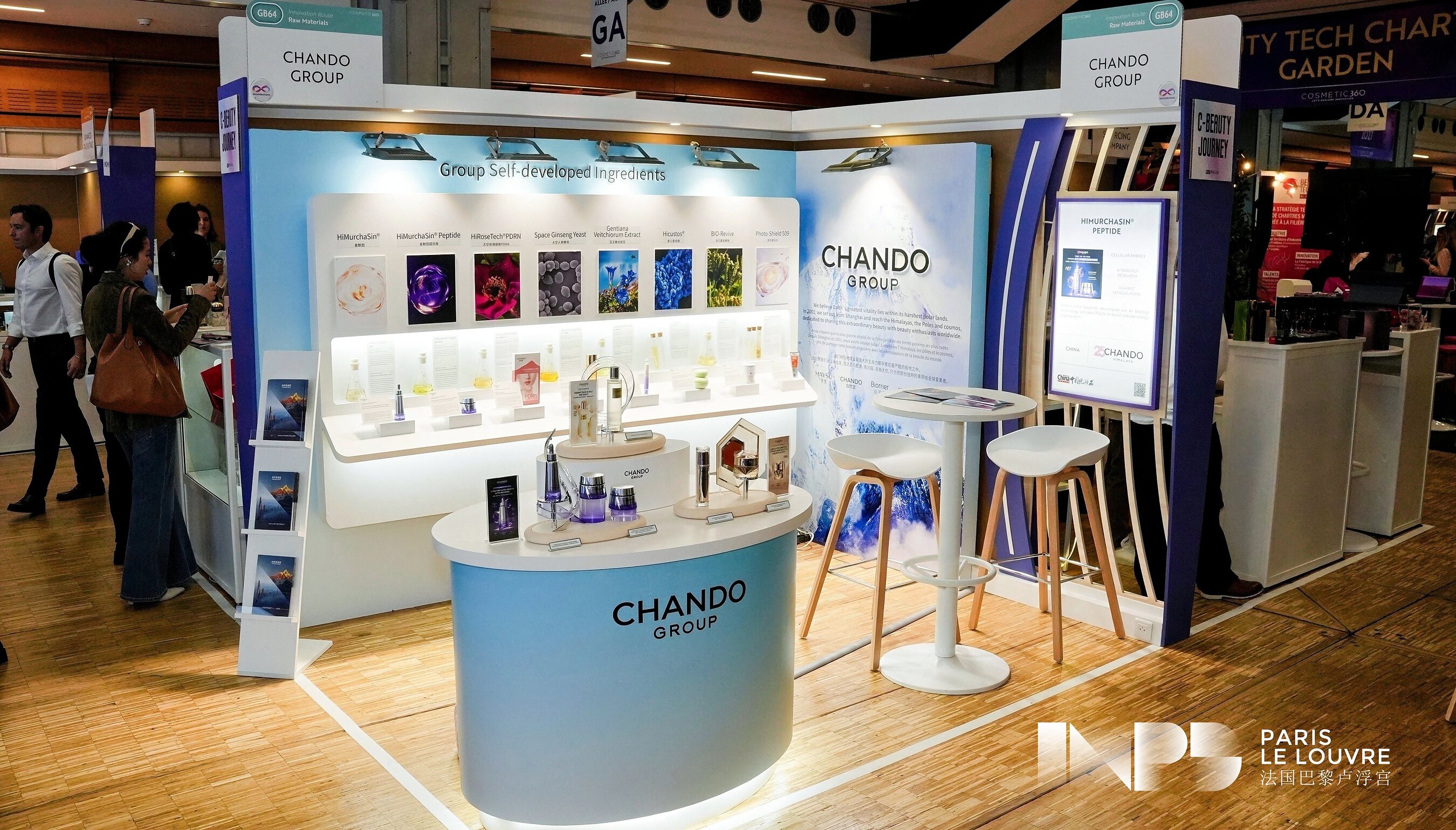
To combat the effects of fatigue on the skin, CHANDO Group turned to computational biology. By screening over 600 extremophile strains from the Himalayas and analyzing a database of 2.8 million yeast protein sequences, researchers identified a powerful peptide: the HiMurchaSin™ Super Anti-Aging Peptide.
- AI-Driven Discovery: The ingredient was isolated after analyzing millions of yeast protein sequences.
- Targeted Action: The peptide focuses on PGC-1α, a master regulator of mitochondrial biogenesis.
- Enhanced Penetration: Testing shows the peptide has 8.5 times the penetration capacity of traditional tetrapeptides.
- Proven Results: The research earned the INPD Raw Materials Award at the 2026 International Cosmetics Innovation Summit.
Our focus has been on translating fundamental scientific discoveries into innovative skincare solutions that address mitochondrial aging.
— Shanshan Jiang, MD, Research and Science Communications Officer at CHANDO Group
The Future of Anti-Aging Science
This discovery marks a significant pivot in the cosmetics industry, shifting the focus from masking aging symptoms to supporting cellular energy production. The HiMurchaSin™ peptide is already integrated into the latest iterations of CHANDO’s 'Little Purple Bottle' series, marking a successful bridge between laboratory research and consumer products.
As CHANDO Group continues its collaboration with the Shanghai Institute of Nutrition and Health, the focus remains on understanding the precision classification of skin barriers. This scientific rigor suggests that the future of beauty lies not just in topical applications, but in deeply understanding how modern environmental stressors interact with our cellular biology.