
The High Cost of Next-Gen Gaming
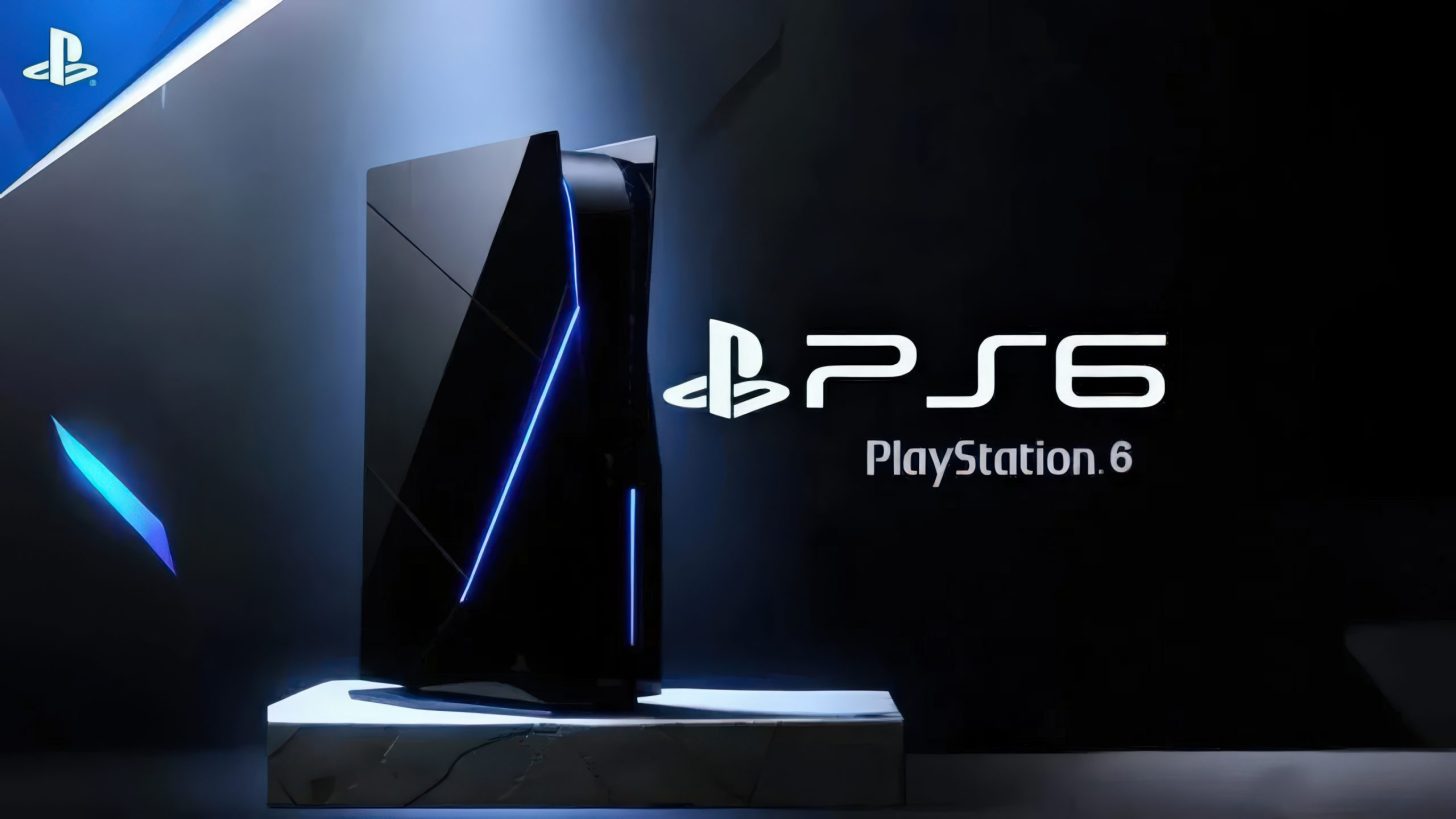
The horizon for the next generation of gaming consoles is looking increasingly expensive. Reports have emerged suggesting that the manufacturing cost for the PlayStation 6 is nearing the $1,000 mark. While Sony has not provided official comment on these figures, the industry is grappling with a perfect storm of rising material costs and shifting market dynamics.
For years, console manufacturers have operated on a delicate balance of hardware subsidies, often selling devices at a loss in hopes of recovering profit through software sales. However, as the production cost of internal components continues to skyrocket, that traditional model faces its greatest challenge to date.
Why Component Prices Are Soaring
The primary culprit behind these inflated costs is the surging demand for high-end memory and storage. RAM and NAND flash, essential components for modern gaming hardware, have seen their prices rise significantly over the past year. Industry analysts attribute this largely to the explosive growth of artificial intelligence development, which consumes massive quantities of these same components, tightening supply chains globally.
- Manufacturing costs for the PS6 have reportedly risen by over $200 since early 2026.
- Increased demand for AI hardware is significantly impacting global supply chains for RAM and SSDs.
- Sony has indicated it does not intend to sell hardware at significant losses, putting upward pressure on retail pricing.
- While some industry voices argue a $1,000 retail price is unlikely due to potential subsidies, others warn of a shift in the gaming market.
As a principle, we do not intend to sell hardware at significant losses.
— Sony, regarding next-generation hardware pricing
What This Means for the Future of Console Gaming
The speculation surrounding the PS6 arrives alongside news of a digital-only future for Sony’s upcoming hardware. With Sony expected to end physical disc production for new PlayStation games by 2028, the company appears to be betting heavily on digital infrastructure to mitigate costs. Meanwhile, competitors like Microsoft are also navigating the hardware landscape, with recent job listings for supply chain strategists suggesting a focus on maintaining stability as the market evolves.
Whether the consumer will be forced to shoulder the burden of these production costs remains to be seen. If the retail price for a flagship console reaches or exceeds the $800–$1,000 range, it could signal a major shift in how the industry approaches consumer accessibility, potentially forcing a longer lifespan for current-generation devices.