A New Direction for Fitbit
The wearable market has long been dominated by devices that prioritize notifications, constant alerts, and glowing screens. With the release of the Fitbit Air, Google is shifting the conversation. This screenless tracker is designed for those who want to monitor their health without the digital tether of a smartwatch, aiming for a more passive, unobtrusive wellness experience.
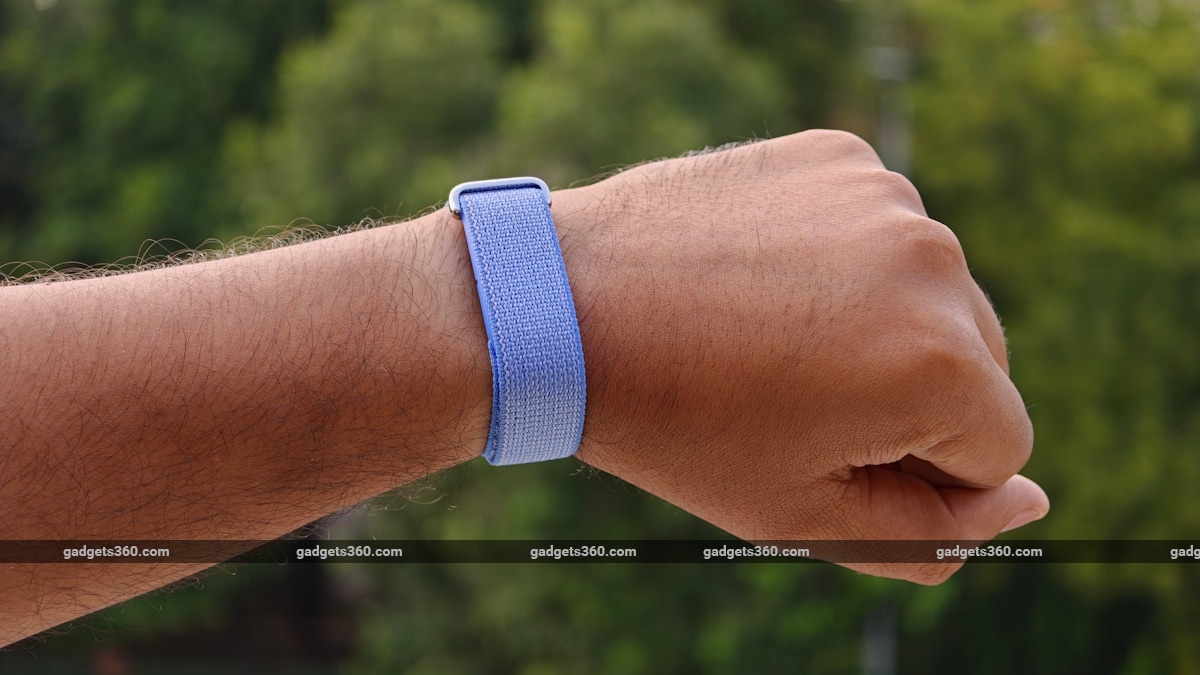
What the Fitbit Air Brings to the Table
Despite its diminutive size, the Fitbit Air is packed with the sensor technology users have come to expect from the brand. It acts as a proactive wellness partner, utilizing high-fidelity sensors to track key physiological metrics throughout the day and night.
- 24/7 heart rate monitoring and Afib alerts
- SpO2 sensor for blood oxygen saturation
- Skin temperature trends and heart rate variability (HRV)
- Sleep stage tracking and duration
- Automatic activity detection for common exercises
The device syncs directly with the Google Health app, which serves as the central hub for all your data. Because there is no screen on the device, the app is essential for viewing your insights, managing workouts, and interacting with the optional AI coach.
The Trade-offs of a Screenless Design
The absence of a screen is the defining feature of the Fitbit Air, and it comes with specific implications for the user experience. While it makes the tracker incredibly comfortable and discreet for 24/7 wear, it isn't designed for athletes who require live pace, distance, or heart-rate zone metrics during a workout. Automatic activity detection works well for standard movements, but it requires patience—the app typically processes workout data roughly 30 minutes after completion.
The Fitbit Air strips away the screen to focus on what matters most: accurate health, sleep, and recovery tracking. It's an excellent choice for anyone who values long-term wellness over constant notifications.
— AndroidGuys
Is It Right for You?
At a price point of $99.99, the Fitbit Air positions itself as an accessible entry into the health-tracking ecosystem. It offers a week-long battery life, removing the 'charging anxiety' often associated with more feature-heavy smartwatches. For those interested in deeper insights into their sleep patterns, recovery, and daily activity without being interrupted by incoming emails or texts, the Air represents a compelling, focused alternative.