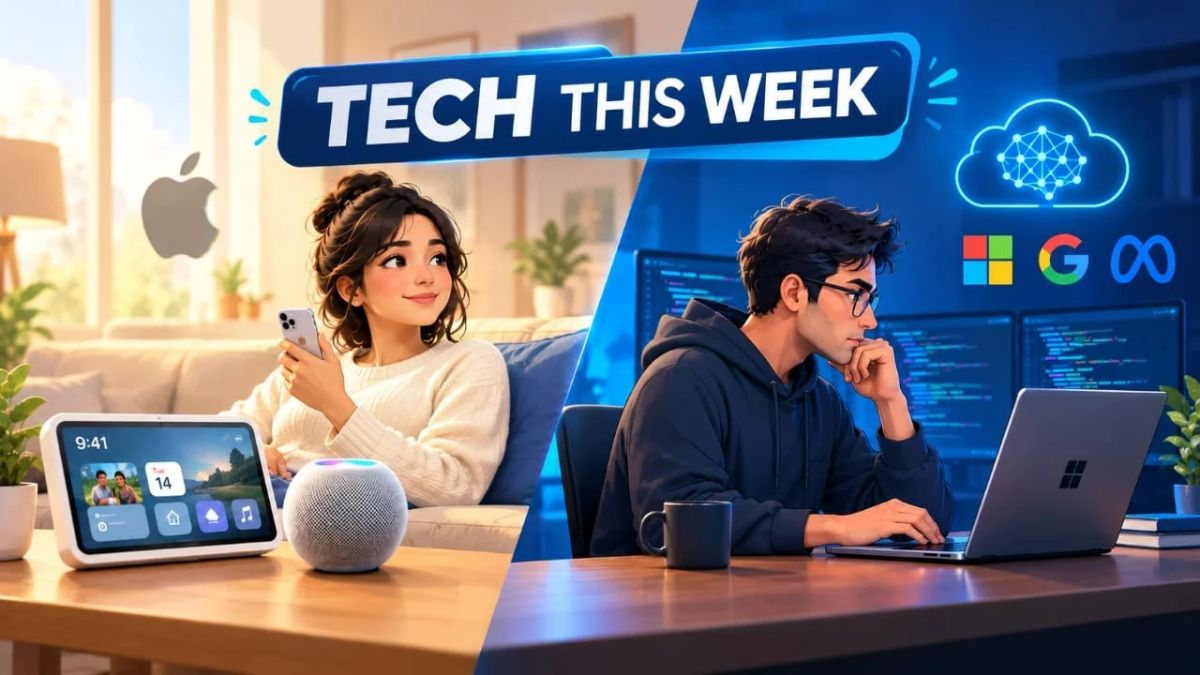
Two Paths for the Future of Home Tech
The landscape of consumer technology is undergoing a massive shift. As we head into late 2026, the industry is witnessing a clear divergence in how the biggest players view the future of your home. On one side, Apple is leaning into a 'walled garden' approach, focusing on seamless, closed smart home devices that prioritize integration over openness. On the other, companies like Microsoft, Google, and Meta are sprinting toward an AI-first future, betting that the next wave of computing will be defined by intelligent, open platforms rather than hardware alone.
Why AI is the New Battlefield
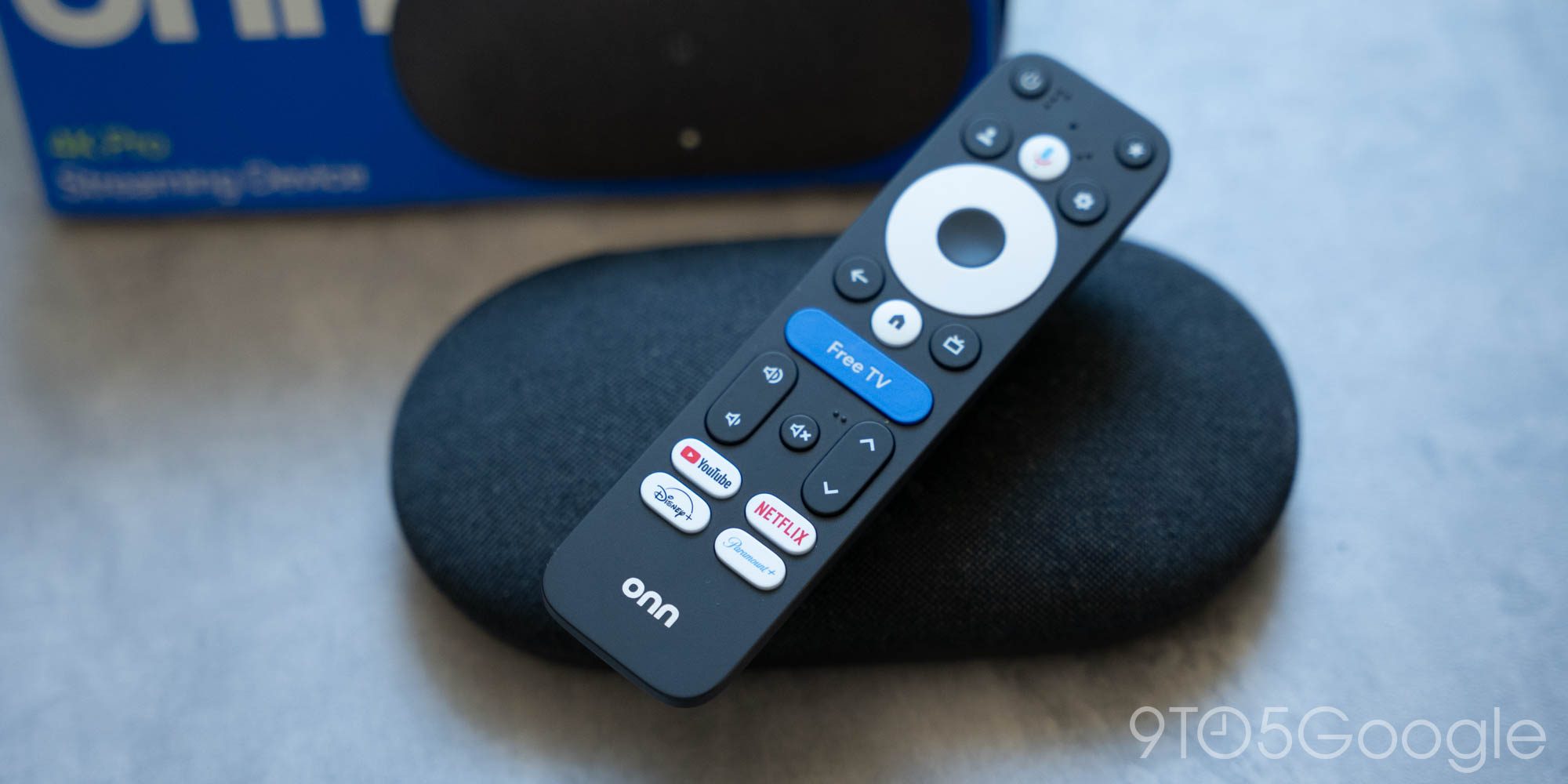
The urgency behind this divide comes down to a simple reality: consumers are looking for value in a market where costs are rising. While Apple looks to control the user experience through high-end hardware, others are leveraging AI to make existing devices smarter and more useful. From the integration of advanced AI in budget-friendly streaming sticks to the rollout of features like image analysis for shopping, the focus has shifted from mere hardware specs to 'intelligent' utility.
- Apple's focus remains on seamless, closed-loop smart home hardware.
- Competitors like Google and Microsoft are prioritizing open AI platforms to capture developer and consumer ecosystems.
- Consumer electronics trends are favoring smart home integration as a key differentiator.
- Budget hardware, such as Google TV-powered streamers, remains a critical entry point for consumers despite the premium AI push.
Companies must leverage trends like advanced AI and smart home integration as differentiators to drive value sales.
— Consumer Electronics Competitor Strategy Analysis Report 2025
The Consumer Trade-Off
For the average consumer, this means the choice is becoming ideological. If you value privacy and a tightly curated experience, the closed Apple ecosystem is likely your path forward. However, if you are looking for flexibility, aggressive pricing, and the latest in generative AI features—like those demonstrated in recent iterations of Android and smart device connectivity—the open platforms from Google and its peers offer a more dynamic, albeit fragmented, experience. Ultimately, the winners of this 'living room war' won't just be the ones with the best hardware, but the ones who successfully integrate AI to solve real-world problems.