
A New Milestone in Neurological Care
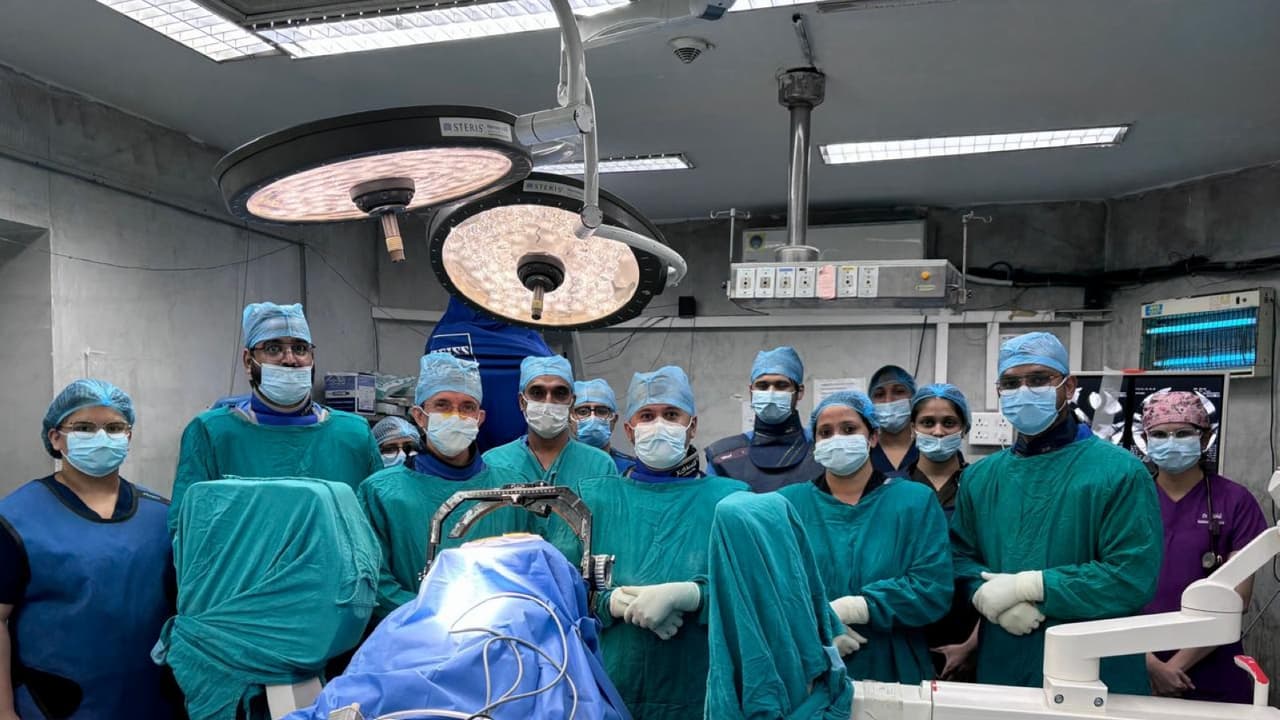
In a significant development for neurosurgical accessibility, Dr. Ram Manohar Lohia (RML) Hospital in Delhi recently performed its first-ever Deep Brain Stimulation (DBS) surgery. The procedure was carried out on a 55-year-old government official from Nepal, who had been struggling with the debilitating tremors and mobility challenges associated with Parkinson’s disease for months.
This operation represents more than just a successful medical procedure; it underscores the increasing integration of high-tech surgical solutions in public healthcare settings, offering a viable, cost-effective alternative to private hospital treatments for those living with movement disorders.
What is Deep Brain Stimulation?
Deep Brain Stimulation is an advanced surgical technique often described as a 'brain pacemaker.' It is specifically designed to manage motor symptoms that medication can no longer adequately control.
- Electrode placement: Surgeons insert thin wires into precise areas of the brain, such as the subthalamic nucleus or the globus pallidus.
- Pulse generation: These wires are connected to a neurostimulator, similar to a heart pacemaker, typically implanted under the skin near the collarbone.
- Symptom regulation: The device sends electrical pulses to regulate abnormal brain activity, helping to dampen tremors, stiffness, and slowness.
The principal causes of the disease are not in our DNA but outside in our environment.
— Dr. Ray Dorsey, Neurologist
The Future of Parkinson’s Management
With an estimated 12 million people living with Parkinson’s disease globally—a figure that has nearly doubled in just six years—the demand for effective interventions is higher than ever. While DBS is not a cure, it remains the most common surgical intervention for Parkinson's, offering patients a chance to significantly improve their quality of life and potentially reduce their reliance on high-dose medications.
As major hospitals continue to adopt these procedures, the focus remains on long-term management. Following surgery, patients work closely with movement disorder specialists to program the device settings, a process that can take several months to optimize alongside medication adjustments.