A Growing Trade Disparity
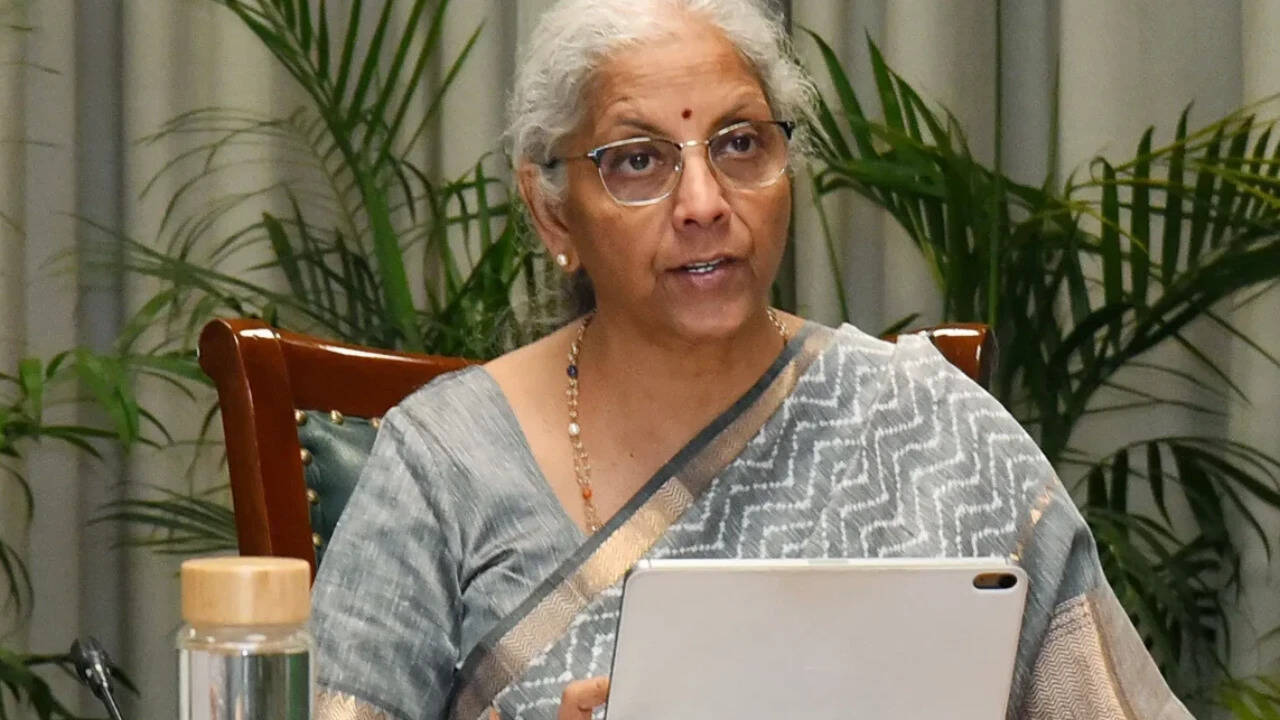
Finance Minister Nirmala Sitharaman has publicly flagged a mounting concern for the Indian economy: the exponentially growing trade imbalance with China. With a trade deficit currently pegged at approximately $105 billion, the Indian government is intensifying its focus on the non-tariff barriers that have historically hindered Indian exporters from accessing the Chinese market effectively.
These non-tariff measures—which include complex regulatory requirements, technical standards, and procedural hurdles—often act as 'unofficial' barriers. While official tariffs are often the subject of public debate, economic analysis suggests that non-tariff barriers significantly distort trade flows and increase transaction costs for exporters.
Beijing's Response and Future Outlook
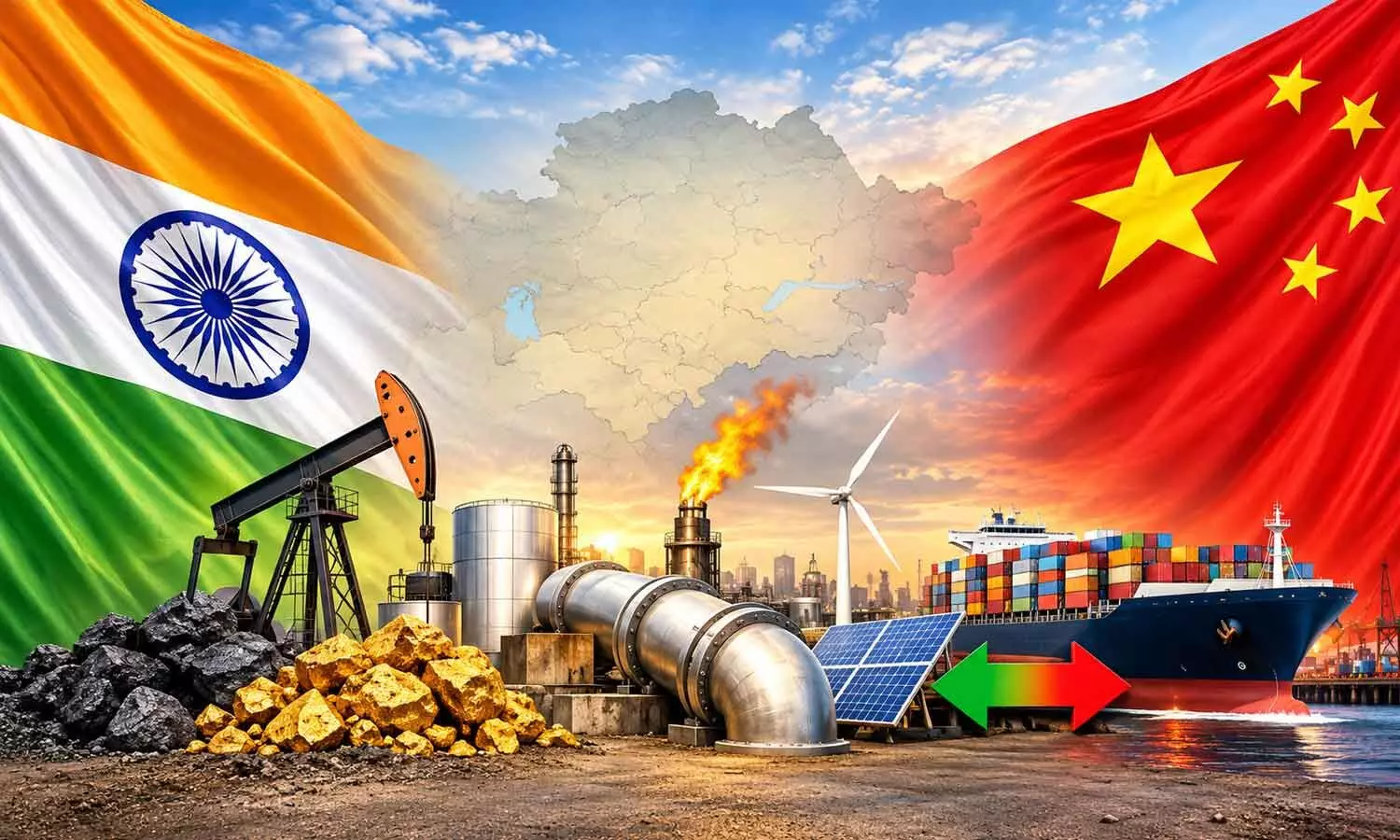
In response to the concerns raised by the Finance Minister, China has indicated a willingness to engage in dialogue to address these bilateral trade frictions. This development comes as India continues to prioritize its long-term economic strategy, which includes diversifying its export destinations and reinforcing infrastructure investment to drive growth despite ongoing global economic volatility.
- Sitharaman has advocated for the promotion of rupee-denominated trade settlements to support nations facing hard currency shortages.
- The Indian government continues to emphasize infrastructure investment as a pillar for economic resilience.
- Negotiations for a trade agreement with the United States remain a high priority for the administration.
- Non-tariff barriers remain the primary focus of discussions regarding market access in the region.
For global trade’s sake, I hope our US deal is inked soon.
— Nirmala Sitharaman, Finance Minister of India