The High Stakes of Identity in the Digital Age
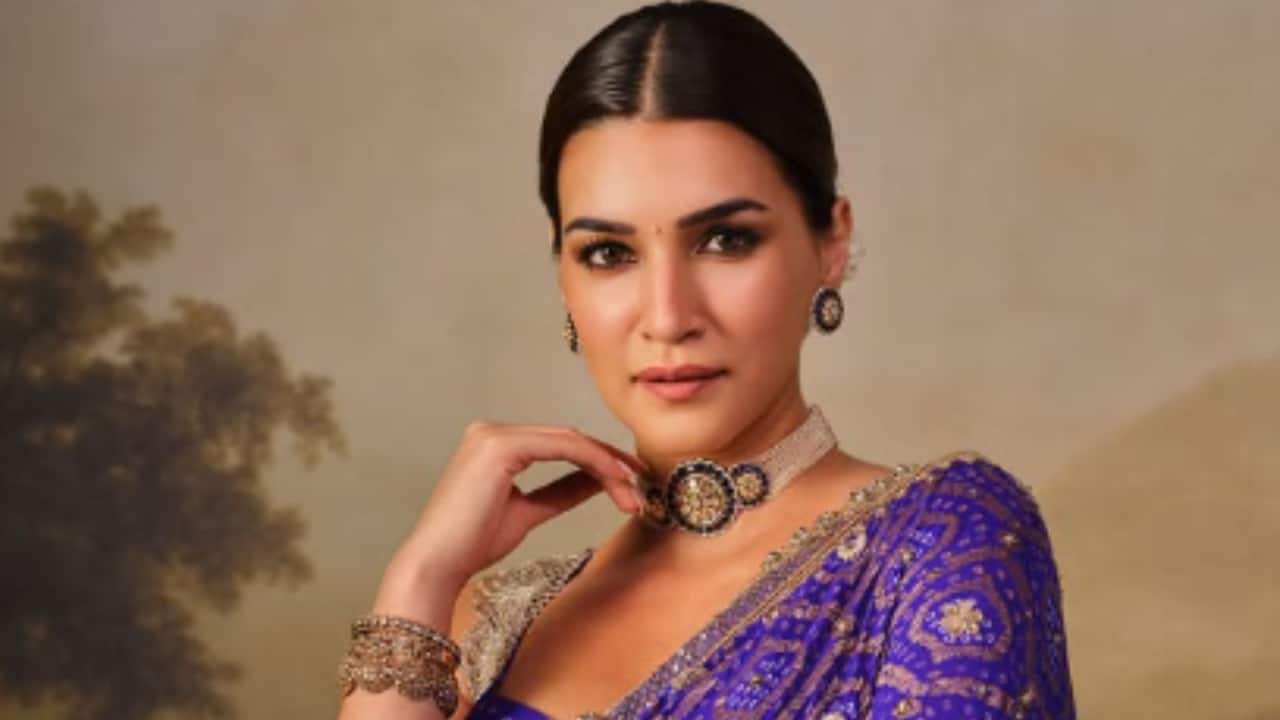
In an era where artificial intelligence can synthesize voices, create photorealistic deepfakes, and build convincing digital avatars, the concept of 'self' is becoming increasingly fragile. Actor Kriti Sanon recently moved the Delhi High Court seeking protection for her personality rights—a move that underscores the growing tension between technological capability and personal dignity.
The Delhi High Court’s response has been notable: rather than focusing solely on an individual dispute, the court has called for a comprehensive legal examination regarding the scope and jurisdiction of identity protection. This request for deeper legal clarity suggests that the judiciary recognizes the current framework may no longer be enough to handle the complexities of our hyper-digital world.

Beyond Privacy: The Commercial Value of 'You'
Personality rights encompass more than just the right to be left alone. Historically, they have evolved to protect individuals from unauthorized commercial exploitation. For celebrities, athletes, and influencers, their name, image, and likeness (NIL) are significant intellectual and commercial assets.
- Commercial Control: The right to prevent unauthorized monetization of one's identity through endorsements or digital products.
- Privacy Protection: The right to prevent harassment or the creation of unwanted digital representations.
- Deepfake Mitigation: Addressing the proliferation of AI-generated content that utilizes a person's likeness without consent.
- Data Autonomy: Ensuring individuals retain control over their digital footprint as platforms and the metaverse evolve.
The Growing Need for Global Legal Standards
The rise of AI has made this issue urgent. Reports indicate that a vast majority of deepfake material online features individuals portrayed without their approval. Technologies like NFTs, blockchain, and the metaverse have further complicated the landscape by enabling the financialization of a person’s likeness in decentralized, borderless spaces.
As technology continues to blur the lines of personal identity, legal protections must evolve to address these challenges effectively. Ultimately, ensuring the integrity of personality rights is essential not only for the welfare of celebrities but also for maintaining ethical standards in a society that is increasingly influenced by public figures.
— International Lawyers Network
By seeking legal clarity, Sanon’s case serves as a catalyst for a necessary conversation in Indian jurisprudence. The shift from treating personality rights as a narrow tort of 'passing off' to a broader, robust protection of digital autonomy is likely the next major hurdle for both creators and the tech companies facilitating these new digital realities.