
A New Chapter for India’s AI Ecosystem
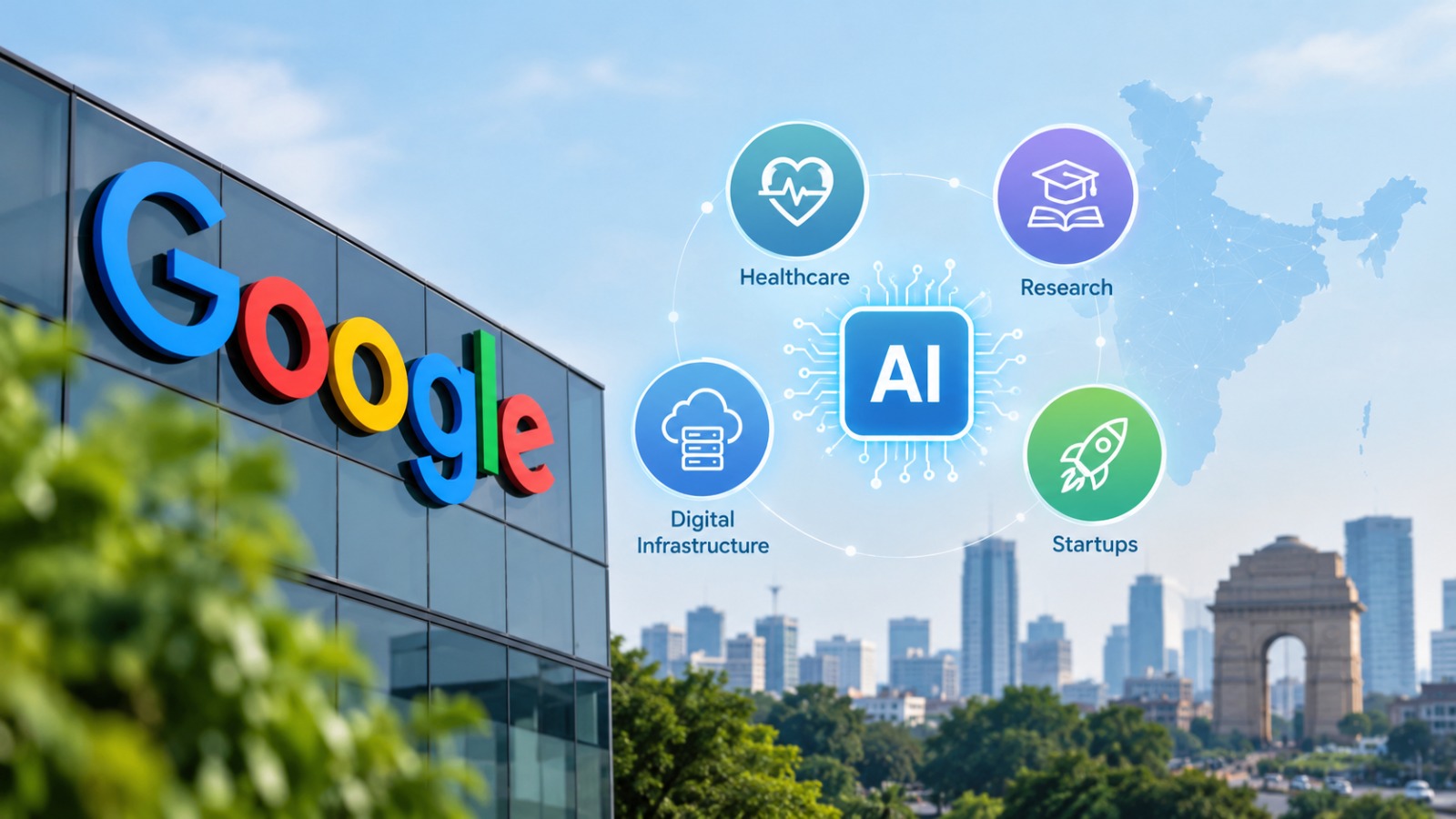
Google’s commitment to India reached a new milestone in 2026. During the India AI Impact Summit and the 'Lab to Impact' dialogue, the tech giant unveiled a comprehensive strategy aimed at decentralizing AI technology. By targeting startups, healthcare researchers, and the national education system, Google is positioning its Gemini and MedGemma models as the backbone of India’s digital transformation.
Empowering Small Businesses and Educators
At the heart of the latest announcement is a $15 million fund dedicated to Micro, Small, and Medium Enterprises (MSMEs). This capital is designed to help smaller entities move beyond simple AI experimentation and toward full-scale integration of agentic AI workflows. Furthermore, Google is addressing the human capital gap by launching a nationwide initiative to train over 80,000 teachers in AI literacy, ensuring the next generation is ready for an AI-first economy.
- $15 million dedicated to supporting MSMEs with AI integration.
- 80,000 educators nationwide receiving specialized AI training.
- Expansion of Gemini Live to 25 Indian languages, including Sanskrit, Bhojpuri, and Maithili.
- New agricultural APIs to assist developers in building farming-focused AI solutions.
Revolutionizing Healthcare with MedGemma
Healthcare remains a primary focal point of Google’s India strategy. Through the use of its MedGemma open AI models, researchers at AIIMS Delhi are developing localized diagnostic tools to address public health challenges, such as leprosy and reproductive health. Beyond research, Google is collaborating with the National Health Authority to modernize unstructured medical records, bringing them into alignment with international standards.
AI represents the biggest platform shift of our lifetime, and it is crucial that India’s vast developer community and healthcare sector lead the way in localized, sovereign AI development.
— Sundar Pichai, CEO of Google and Alphabet