
A New Chapter for Public Broadcasting Funding
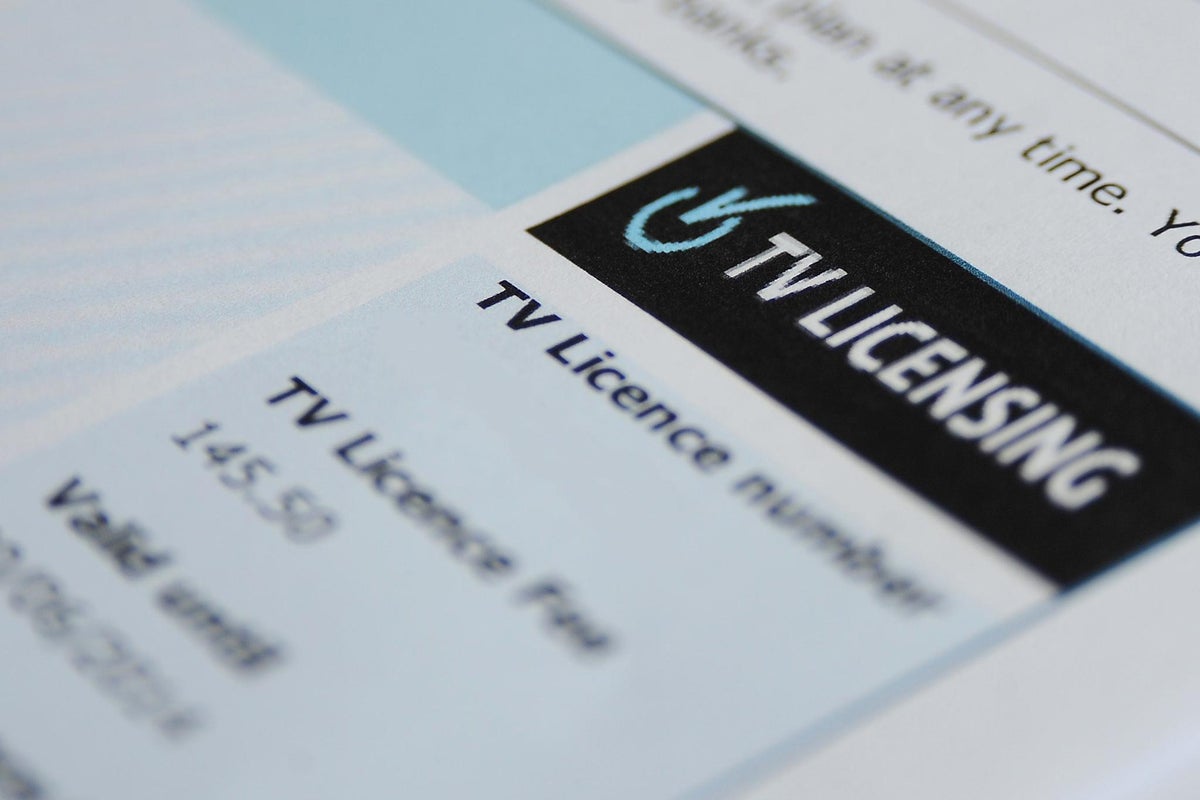
The way British households pay for the BBC could be on the verge of its most significant change in decades. Culture Secretary Lisa Nandy is reportedly crafting a new funding blueprint that would extend the £180-a-year television licence fee to encompass streaming services, including Netflix, Amazon Prime, Disney+, and YouTube.
This move, unofficially dubbed a 'Netflix tax' or 'YouTube tax,' comes as the government faces mounting pressure to secure the long-term viability of the BBC. With the current Royal Charter set to expire on December 31, 2027, the clock is ticking to find a sustainable model that accounts for shifting viewer habits.
Why the Change is Happening Now
The primary driver behind this proposal is the sharp decline in traditional licence fee payments. Over 500,000 households dropped the fee last year alone, and officials are concerned that the current model is becoming outdated. Many viewers now consume content exclusively via mobile devices, tablets, and streaming platforms, effectively bypassing the current licence requirements.
- Revenue stabilization: Expanding the fee base aims to replace lost income from declining traditional TV viewership.
- Equitable funding: Proponents argue that as streaming becomes the default for many, it should contribute to the public broadcasting ecosystem.
- Bolstering journalism: Potential revenue generated from this policy is earmarked to support local journalism, which has faced significant financial strain.
What Comes Next?
Culture Secretary Lisa Nandy is expected to unveil these measures in a formal White Paper before Christmas. This document will serve as a roadmap for the future of the BBC's funding as negotiations for the next ten-year Royal Charter intensify.
The enforcement side of this is difficult and that is why the government is right to be looking at all the different ways you could be thinking about scope and collection.
— BBC Official
While the proposal aims to save the BBC, it has sparked a wider conversation about the digital divide and the fairness of levying a tax on modern streaming services. As the December deadline for the White Paper approaches, the debate between maintaining a historical public institution and adapting to the reality of the streaming era will only continue to heat up.