A Greener Blueprint for the Desert Metropolis
Dubai is embarking on one of its most ambitious infrastructure shifts to date. As the emirate moves toward 2040, officials have unveiled a comprehensive strategy to weave sustainability into the fabric of the city. The centerpiece of this transformation is an initiative to plant 3.5 million trees, significantly expanding the city's green footprint to 187 square kilometers.
This isn't just about aesthetics. The plan serves as the seventh iteration of Dubai’s urban development strategy since 1960. By aiming for 11 square meters of green space per capita and integrating smart technology into 40% of new buildings by 2033, Dubai is actively reshaping how a desert metropolis functions in the 21st century.
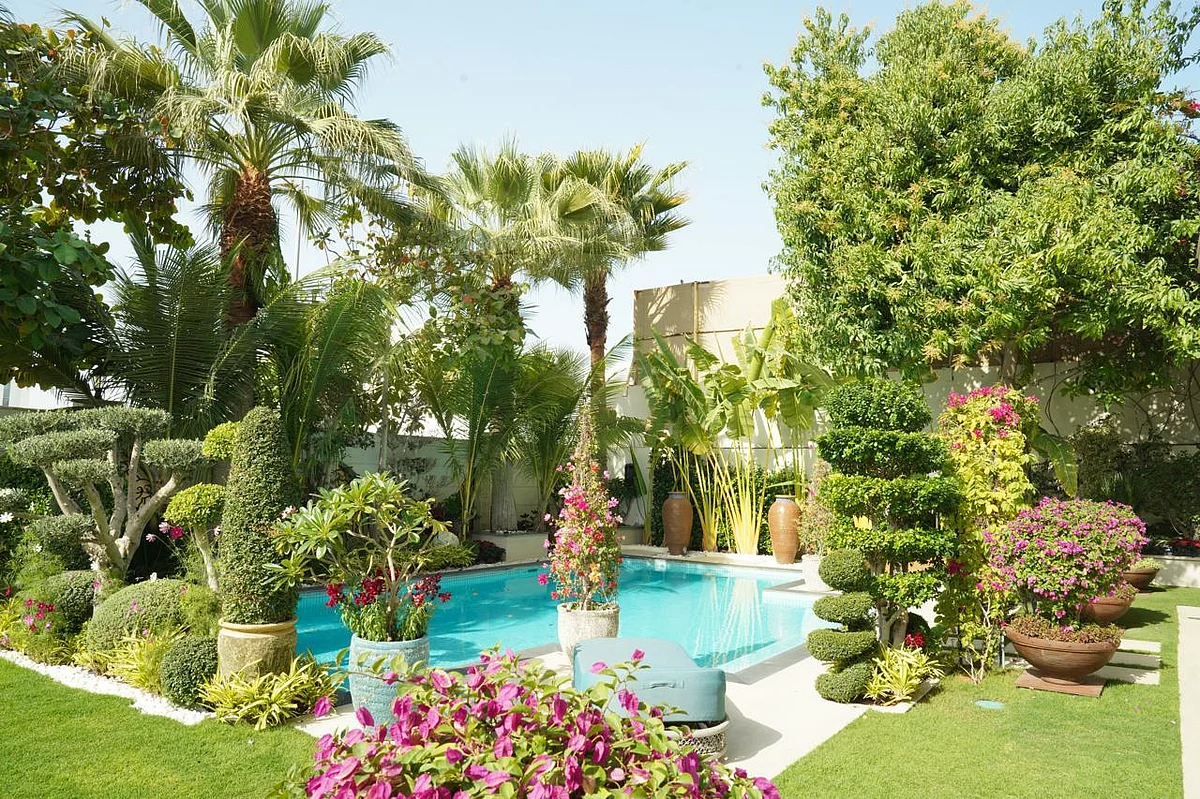
Infrastructure Meets Sustainability
The urban master plan is designed to scale with a population expected to reach nearly 8 million residents. Beyond reforestation, the initiative includes specific projects like the 'Green Spine'—a 64-kilometer sustainable corridor. This project aligns with the city's '20-minute city' initiative, ensuring that residents can access essential services within a short walk or cycle.
- Reforestation of 3.5 million trees across the emirate.
- Smart technology adoption in 40% of new buildings by 2033.
- Doubling of green and recreational areas to enhance resident well-being.
- Promotion of sustainable transit, including solar-powered trams.
- Targeting 11 square meters of green space per capita.
The Bigger Picture
While these localized efforts define Dubai's future, they represent a broader trend of Middle Eastern cities balancing rapid economic growth with environmental responsibility. The focus on 'Dual Circulation' and global rebalancing, frequently discussed in high-level economic forums, underscores the need for resource efficiency as these cities evolve from traditional hubs into global models for sustainable urban living.
The Dubai 2040 Urban Master Plan maps out a comprehensive strategy for sustainable urban development, focusing on enhancing people’s happiness and quality of life.
— Official Government Platform