A Time for Reflection and Ritual
Shardiya Navratri, the most significant of the four annual Navratri festivals, began on October 11, 2026. As the festival progresses, devotees across the globe are deeply engaged in the worship of the nine manifestations of Goddess Durga. This period is marked by purification, discipline, and a focus on inner transformation, culminating in the triumph of good over evil on Vijaya Dashami.
Day 3: Invoking Maa Chandraghanta
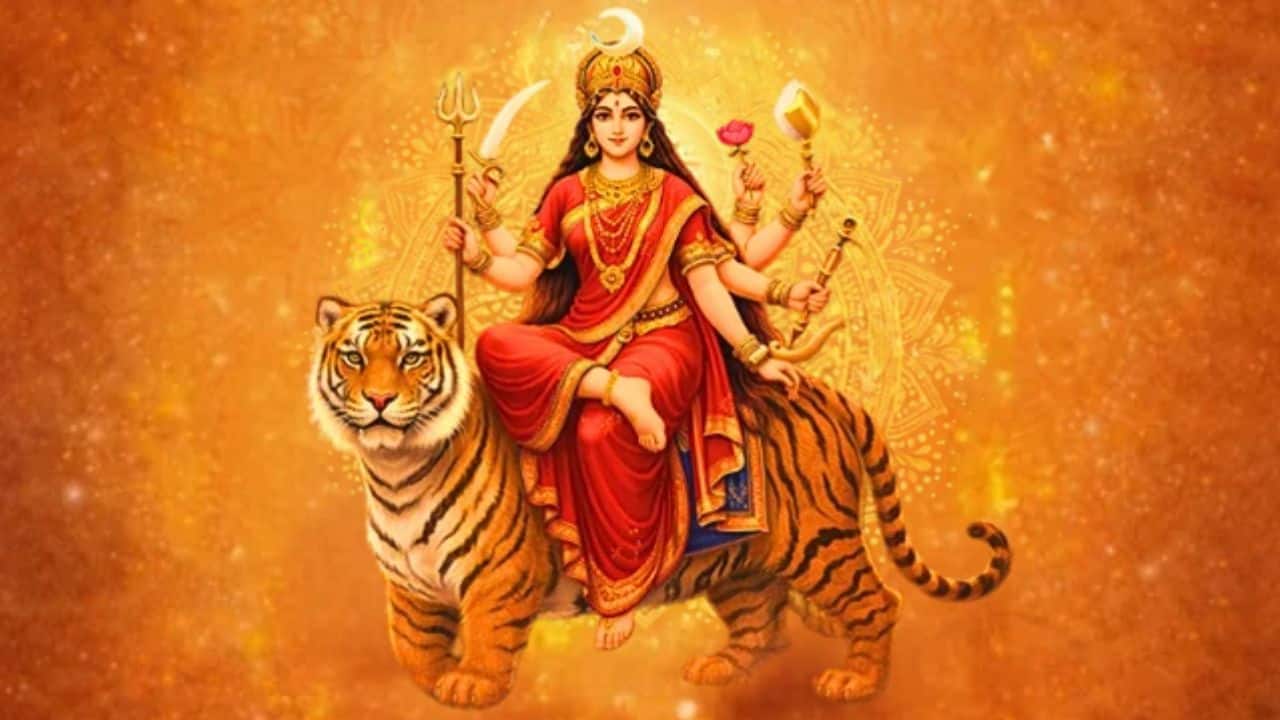
The third day of Navratri is dedicated to Maa Chandraghanta. Known for the half-moon shaped like a bell on her forehead, she represents peace, bravery, and the strength to protect her devotees. Rituals on this day include specific mantras, offerings of bhog, and prayers to seek her blessings for courage and tranquility.
- Maa Chandraghanta is the third form of Goddess Durga.
- Devotees perform puja with specific vidhi and mantras.
- The day is characterized by a designated auspicious color and traditional offerings.
Day 4: Honoring Maa Kushmanda
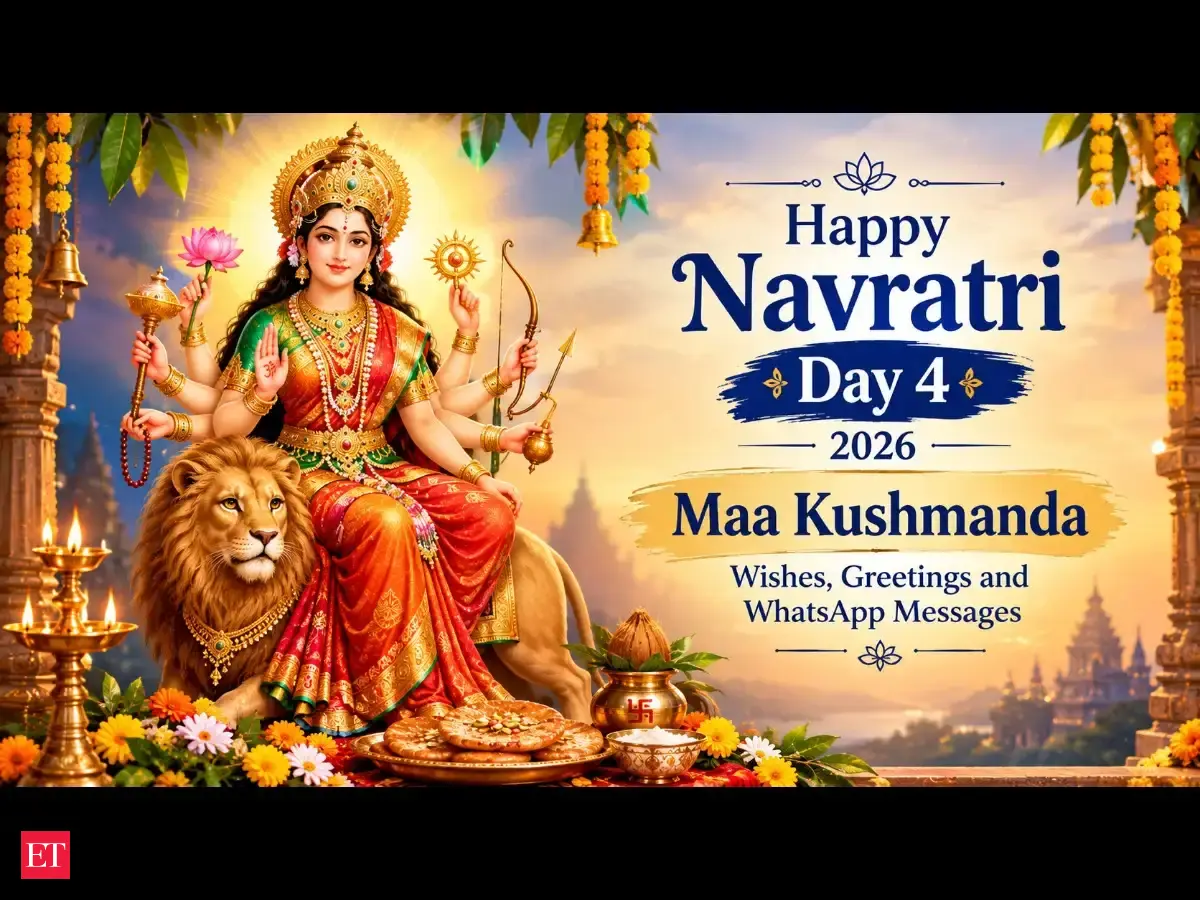
Moving into the fourth day, observed on October 14, 2026, the focus shifts to Maa Kushmanda. Often referred to as the 'Cosmic Egg' creator, she is believed to have brought light to the universe. Her worship is a celebration of prosperity, health, and spiritual growth, often shared through heartfelt messages and community greetings.
The Significance of the Journey
Navratri serves as a spiritual roadmap. The first three days are often dedicated to the worship of Shakti, the next three to Lakshmi, and the final days to Saraswati. By participating in these rituals—whether through home-based Kalash Sthapana or attending local community events—devotees align themselves with the deeper meaning of the festival: the victory of Dharma over Adharma.
The nine days of Shardiya Navratri represent preparation that includes purification, discipline, prayer, meditation, self-restraint, and inner transformation.
— Tantra Sadhana Blog