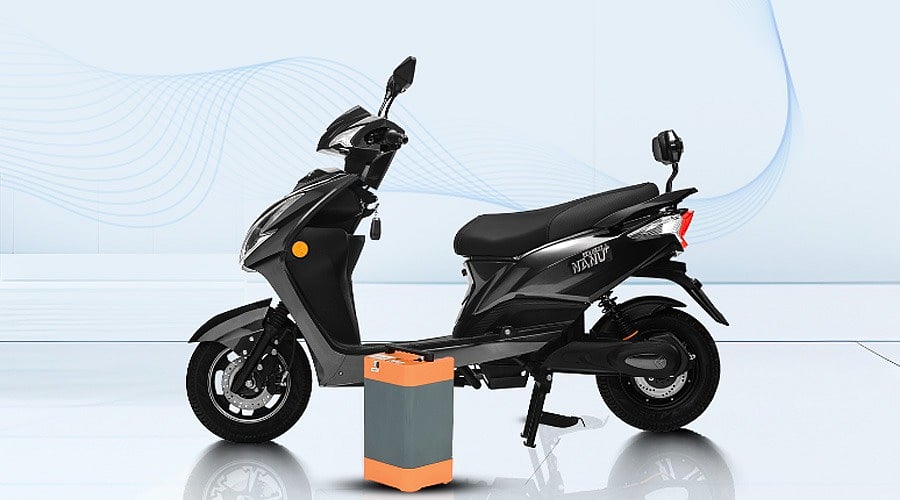
The Hidden Risk in Your Garage
Electric bikes are transforming how we commute and play, but they bring a serious responsibility: lithium-ion battery management. With fire services across the globe reporting a rise in e-bike-related incidents, understanding how to handle these power cells is no longer optional—it is a critical safety requirement for every owner.
The U.S. Consumer Product Safety Commission (CPSC) has issued repeated warnings regarding the hazards of improperly charged or low-quality battery packs. Whether you are using a high-end commuter or a budget-friendly fat-tire e-bike, the underlying chemistry of your power source demands respect.
Essential Charging Protocols
Most battery fires occur during the charging process. To mitigate risk, follow these non-negotiable rules:
- Use only the charger provided or specifically recommended by your manufacturer.
- Never leave a battery charging unattended, especially overnight or while you are sleeping.
- Unplug the device immediately once the charge cycle is complete.
- Charge on a hard, non-flammable surface away from exit routes.
Safe Storage and Maintenance
Where and how you store your e-bike is just as important as how you charge it. Batteries are sensitive to extreme temperatures, which can degrade their internal health and increase fire risks over time.
- Temperature control: Keep batteries in a cool, dry place, ideally between 4°C and 27°C (40°F–80°F).
- Avoid extremes: Never store batteries in hot cars or freezing environments.
- Long-term storage: If you won't be riding for a while, store the battery at 30% to 70% capacity rather than fully charged or completely empty.
- Keep clear: Never store batteries near flammable materials or in hallways that serve as primary exit routes.
Never throw lithium batteries into the trash or general recycling. Instead, take them to your local battery recycler or hazardous waste collection center.
— U.S. Consumer Product Safety Commission (CPSC)