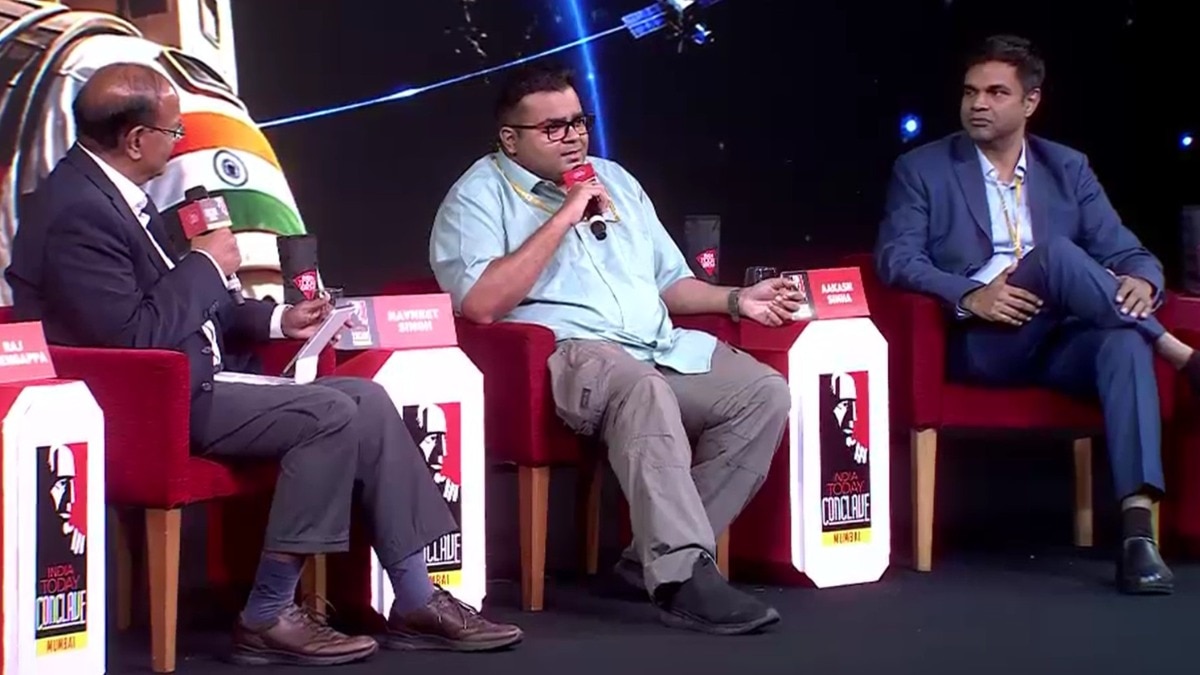
A New Era for Indian Space
The landscape of India’s space industry is shifting at breakneck speed. Once defined solely by the state-run Indian Space Research Organisation (ISRO), the sector has rapidly diversified into a robust ecosystem of private enterprises. With over 400 startups now operational, India is aggressively positioning itself to capture a significant share of the global space economy, which is projected to exceed $100 billion in the coming years.
Record-Breaking Capital and Innovation
Investor confidence in Indian space-tech is at an all-time high. Private investment in the sector has surged nearly six-fold, climbing from USD 100.5 million in 2021–22 to USD 618.5 million by March 31, 2026. This financial momentum is being matched by high-stakes technical milestones.
- Pixxel secured $100 million in a Series C round, marking the largest funding round by an Indian space-tech firm to date.
- Agnikul Cosmos successfully demonstrated quick-start engine reignition for its 3D-printed rockets, pushing boundaries in reusable launch vehicle technology.
- Digantara unveiled MOSAIC, an AI-powered optical sensor network designed for autonomous satellite tracking and space debris management.
- Chandigarh University has launched 'Campus Tank Season 2', injecting a $15 million funding pool to foster early-stage innovation among students.
Why AI is the New Frontier
The next phase of India’s growth isn't just about building rockets; it's about what happens in orbit. Startups are increasingly merging space technology with artificial intelligence. By developing data ecosystems that solve specific regional challenges—such as cloud cover monitoring in South Asia—Indian firms are providing globally competitive solutions that traditional aerospace giants often overlook.
Startups are becoming increasingly ambitious and willing to take on complex technological challenges traditionally associated with major state institutions or global aerospace giants.
— The Diplomat