agriculture & environment••5 min read

The $2 Billion Pest: How the Pasture Mealybug Is Crippling Texas Agriculture

An invasive Australian-born pest is tearing through Texas grazing lands, resulting in an estimated $2 billion in losses for cattlemen. With the infestation reaching dozens of counties, farmers face a critical struggle to protect their forage and livestock.

The $2 Billion Pest: How the Pasture Mealybug Is Crippling Texas Agriculture

A Growing Crisis on the Range

The Texas cattle industry is facing a massive financial threat that has nothing to do with market prices or drought. An invasive insect, the pasture mealybug, has rapidly spread across the state, causing what economists conservatively estimate as $2 billion in losses as of 2026.

Originally native to South Asia and a known problem in Australian pastures since 2015, this tiny, destructive pest has now firmly established itself in Texas. With the infestation currently spanning 79 counties, the impact on grazing capacity and forage health is pushing many ranching operations to their limits.
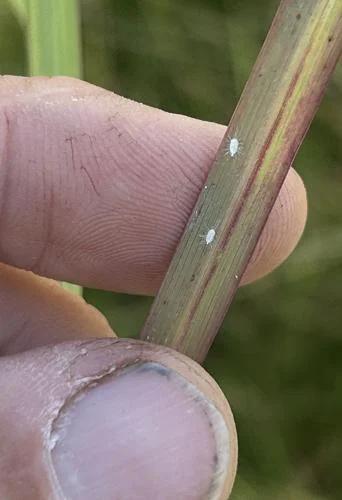
The pasture mealybug has become a significant threat to Texas agricultural sustainability.

Understanding the Pasture Mealybug

The pasture mealybug is a particularly difficult pest to control due to its rapid reproductive cycle. A single female can produce 100 offspring in just 24 hours, with adults living for nearly 47 days. These insects thrive in high-moisture and high-temperature environments—conditions that often align with Texas's variable climate.

  • Damage mechanism: Nymphs use piercing/sucking mouthparts to feed on grass.
  • Symptoms: Grazing lands exhibit yellowing, discoloration, and secondary infections; leaves can turn red or purple.
  • Spread: As of 2025, detections have been confirmed across Texas, Louisiana, Puerto Rico, and Mexico.
  • Operational Impact: Reduced grazing capacity leads to higher supplemental feed costs and mandatory lower stocking rates.

Why This Matters for Texas Producers

The economic ripple effect is significant. When the forage base—the foundation of the cattle industry—is compromised, producers are forced to purchase expensive supplemental feed to sustain their herds. This not only increases overhead but often forces ranching operations to reduce their total stocking rates to avoid overgrazing already stressed lands.

If the pasture mealybug spreads across Texas grazing lands like it has in eastern Australia, it could cost Texas agriculture dearly in lost production.

— Texas Department of Agriculture

Key Takeaways

  • The pasture mealybug has caused an estimated $2 billion in losses for Texas cattlemen so far in 2026.
  • The pest has successfully spread to at least 79 Texas counties, threatening critical grazing lands.
  • Female mealybugs are highly prolific, capable of producing 100 offspring in a single day.
  • Infestation symptoms include grass yellowing, discoloration, and increased susceptibility to secondary infections.
  • Financial pressure on ranchers is compounding due to the need for supplemental feed and reduced livestock stocking rates.

FAQ

Where did the pasture mealybug originate?

The species is native to South Asia but became a major pest in Australian pastures starting around 2015.

How do mealybugs damage grass?

The young nymphs use piercing/sucking mouthparts to feed on the plant, which drains the grass and leads to yellowing, discoloration, and eventual secondary infections.

What conditions favor the growth of this pest?

High moisture levels and high temperatures are ideal for the rapid reproduction and population growth of the pasture mealybug.

How widespread is the infestation in Texas?

As of recent reports, the pasture mealybug has been identified in at least 79 Texas counties.

What is the financial impact of the mealybug on Texas agriculture?

Economists estimate the loss to Texas cattlemen has reached approximately $2 billion as of 2026, primarily due to destroyed grazing capacity and increased operational costs.

Related Videos

INSIGHT: Reducing the Impact of Invasive Species in Texas

KXAN

Invasive Species - When Plants Attack!

Texas Parks and Wildlife

Invasive Species in Texas

pacoconservancy

Sources