A Massive Safety Operation
The Royal Moroccan Army has achieved a significant milestone in regional demining efforts, clearing approximately 268.97 million square meters of explosive hazards in Western Sahara. This achievement was officially documented in a recent report by United Nations Secretary-General António Guterres, which covered the period from October 1, 2025, to September 30, 2026.
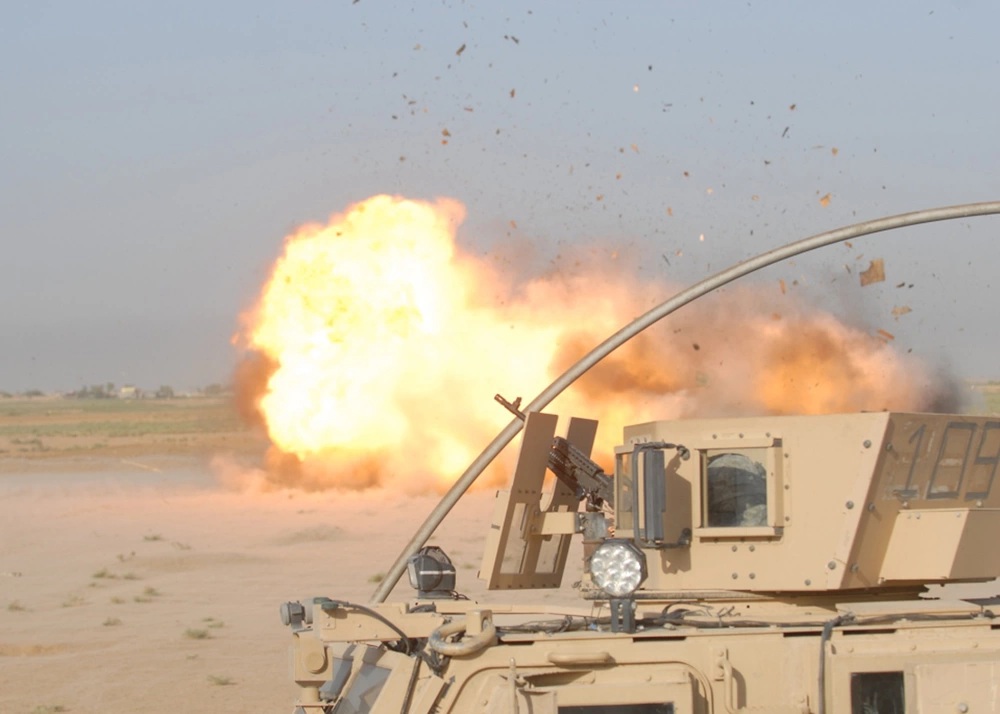
The clearing operation, conducted west of the region's sand berm, addresses a legacy of explosive remnants left by decades of conflict. Beyond land clearance, the Moroccan military reported the destruction of 44 anti-personnel mines, five anti-tank mines, and 264 additional items of explosive ordnance.
Collaboration and the Role of MINURSO
The demining activities in Western Sahara do not happen in a vacuum. These efforts operate alongside the United Nations Mission in Western Sahara (MINURSO) and the United Nations Mine Action Service (UNMAS). The collaboration is essential for ensuring that roadways and patrol routes are safe for both humanitarian workers and peacekeepers.
- Over 1,300 mine clearance missions were conducted by UN teams between October 2025 and September 2026.
- UNMAS focuses on risk education, route verification for MINURSO, and victim assistance.
- Despite significant progress, vast stretches of hazardous terrain remain uncleared in the territory.
- The UN continues to emphasize the importance of these operations in preventing an escalation of hostilities.
Why This Matters for the Future
The presence of unexploded ordnance remains a constant threat to civilians and peacekeepers. By systematically removing these hazards, the parties involved are directly reducing the risks that have plagued the region for years. While the recent figures are encouraging, the scale of the remaining contamination—spanning thousands of square kilometers—highlights that the mission is far from over.
Until a mutually acceptable political solution is reached, MINURSO, through its monitoring and investigation of incidents and its engagement with the parties, continues to play a critical role in preventing an escalation of hostilities.
— António Guterres, UN Secretary-General