A Polarizing Premise
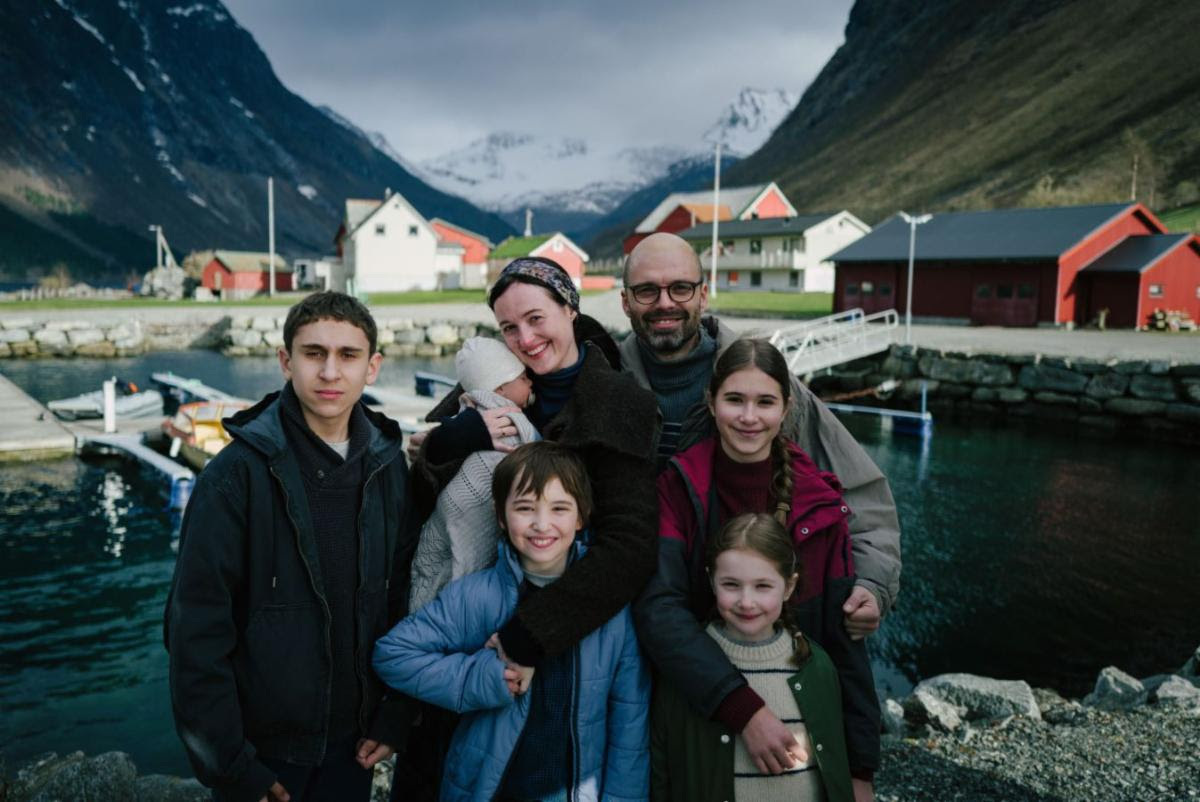
Sebastian Stan is no stranger to intense roles, but his latest project, 'Fjord,' has ignited a firestorm of debate that goes well beyond standard film criticism. The drama, which secured the prestigious Palme d'Or at the Cannes Film Festival earlier this year, follows a conservative Romanian couple who relocate to a progressive, remote Norwegian town. Their lives are upended when local authorities remove their children from their home following reports of physical discipline.
While director Cristian Mungiu based the script on real-life child protection cases in Scandinavia, the film's depiction of the family’s struggle has left some critics accusing the movie of promoting a specific, right-wing ideological agenda. Stan, who stars as the father, is actively challenging these interpretations.
The Pushback Against 'Knee-Jerk' Reactions
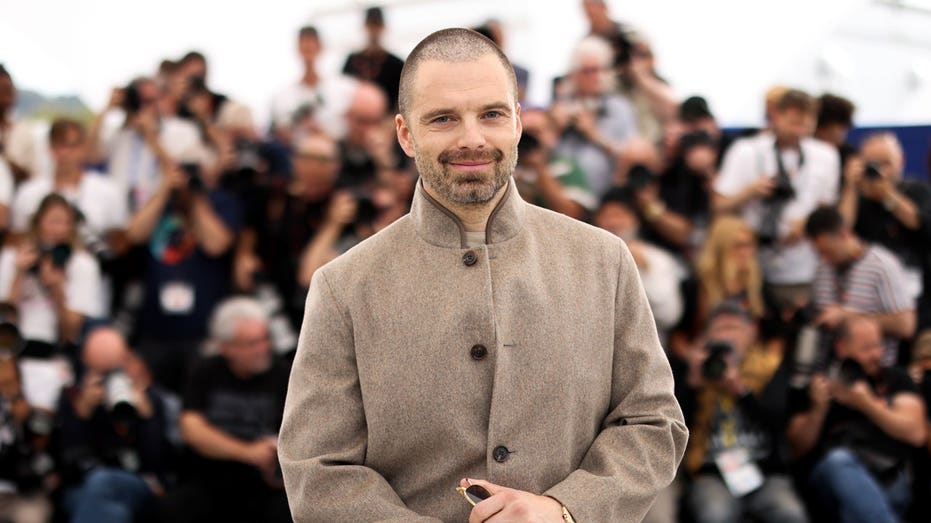
In recent interviews, including an appearance on 'The Daily Show' and a discussion with USA Today, Stan argued that many viewers are missing the nuance of the film by filtering it through a polarized political lens. He expressed frustration at the immediate labeling of the film as a 'MAGA' project, insisting that the core of the story is about the universal human struggle of parents trying to protect their family structure.
- The film explores the cultural friction between conservative values and progressive state systems.
- Stan rejects the idea that the film is political propaganda, viewing it instead as a study of assumptions.
- The story is inspired by several real-world child protection cases involving immigrant families in Scandinavia.
I find it almost laughable to label it a ‘MAGA film’ when it's essentially about an immigrant family going to a different country and being torn apart. We could change Norway for the United States, and Romania for Mexico, or any number of places where that’s happening.
— Sebastian Stan
Is There Room for Nuance?
Beyond the controversy, the film poses a broader question: at what point does society's impulse to 'police' the values of others cross the line? Stan’s comments suggest that he believes we have lost the ability to approach challenging topics with curiosity rather than immediate condemnation. By asking, 'When did conservative become so wrong?' he is calling for a more open dialogue, even when we disagree with the belief systems presented on screen.