markets & technology••5 min read

The Strategic Shift: Why SpaceX Is Becoming Wall Street’s New AI Play

SpaceX is evolving from an aerospace pioneer into an AI infrastructure powerhouse following its merger with xAI. Analysts are now eyeing the company as a critical player in the global compute-rental market.

The Strategic Shift: Why SpaceX Is Becoming Wall Street’s New AI Play

A New Chapter for SpaceX

Since its record-breaking IPO in June 2026, SpaceX has undergone a radical transformation. No longer just a launch and satellite provider, the company has integrated xAI into its core operations, creating a $1.25 trillion tech conglomerate. This consolidation of Starlink’s satellite connectivity and xAI’s compute capabilities has caught the attention of Wall Street, leading to a surge in market interest.
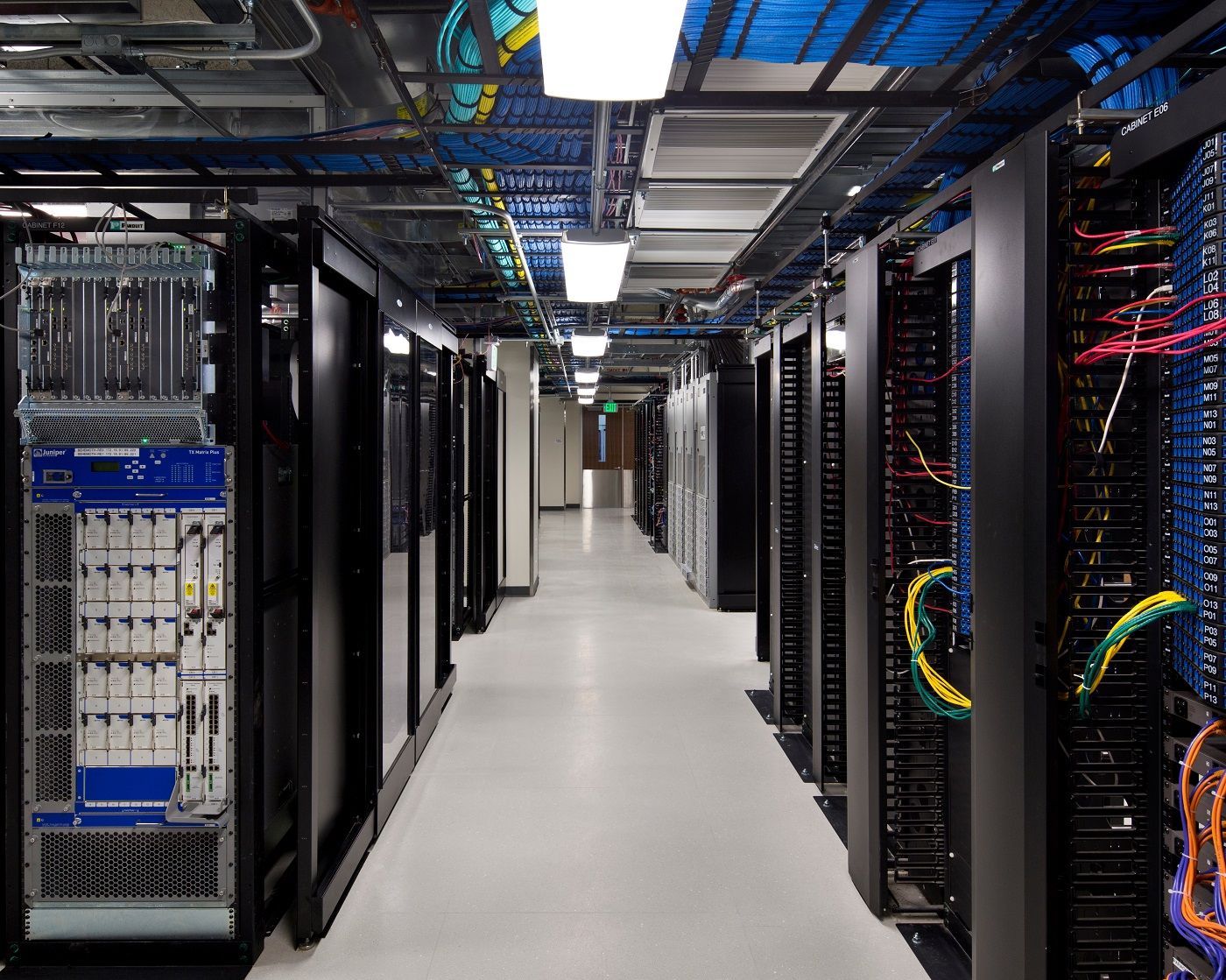
The integration of AI infrastructure into SpaceX's existing satellite network is fueling investor optimism.

Why Analysts Are Bullish on Compute

The central pillar of this new investor thesis is compute-rental revenue. Industry experts, including Jim Cramer, have suggested that SpaceX could become a primary customer for chip manufacturers like Nvidia. The demand for compute power from tech giants like Google and Anthropic continues to outstrip supply, and SpaceX’s unique position in the infrastructure market allows it to capture a significant share of that demand.

  • Consolidation of SpaceX and xAI has created a $1.25 trillion valuation.
  • Revenue projections include billions in monthly compute-rental income.
  • Starlink’s global network provides a unique delivery mechanism for AI-enabled services.
  • High capital expenditure remains a key risk factor for shareholders.

This shareholding disclosure once again highlights the immense impact of SpaceX's post-listing capital market performance on Musk's wealth.

— TradingKey Analysis

The Infrastructure Race

While the company’s pivot is promising, the growth is not without challenges. Companies like CoreWeave, a major player in the GPU cloud market, have been forced to hike prices multiple times in recent months to sustain infrastructure building. This highlights the high barrier to entry and the immense capital requirements needed to remain competitive in the AI compute space. SpaceX must balance its ambitious expansion with these economic realities to maintain its momentum.

Key Takeaways

  • SpaceX has absorbed xAI, combining satellite connectivity with advanced artificial intelligence.
  • Investors are valuing the combined entity at approximately $1.25 trillion.
  • Compute-rental is now a core business focus, potentially rivaling traditional cloud providers.
  • Musk remains the dominant shareholder, holding roughly 43-48% of the company.
  • High capital costs remain the primary risk to the company's aggressive growth strategy.

FAQ

Why did SpaceX merge with xAI?

The merger aims to integrate xAI's artificial intelligence models, such as Grok, with SpaceX's massive launch and satellite infrastructure, creating a vertically integrated tech powerhouse.

What is the current valuation of SpaceX?

Following the xAI merger, the combined entity is valued at approximately $1.25 trillion.

How much of SpaceX does Elon Musk own?

Recent regulatory filings indicate Musk holds approximately 43-48% of the company.

What is the main risk for SpaceX investors?

The primary risks include the massive capital expenditure required to build and maintain AI infrastructure and the execution risks associated with rapid, high-growth expansion.

Related Videos

SpaceX Revenue Could 35x — Here’s My Exact Trade Plan

Sacco Financial

SpaceX Stock to $300+ within 3 Years!?

Hedged Income Financial Advisor | CFA

Sources