The Search for Meaning in the Machine
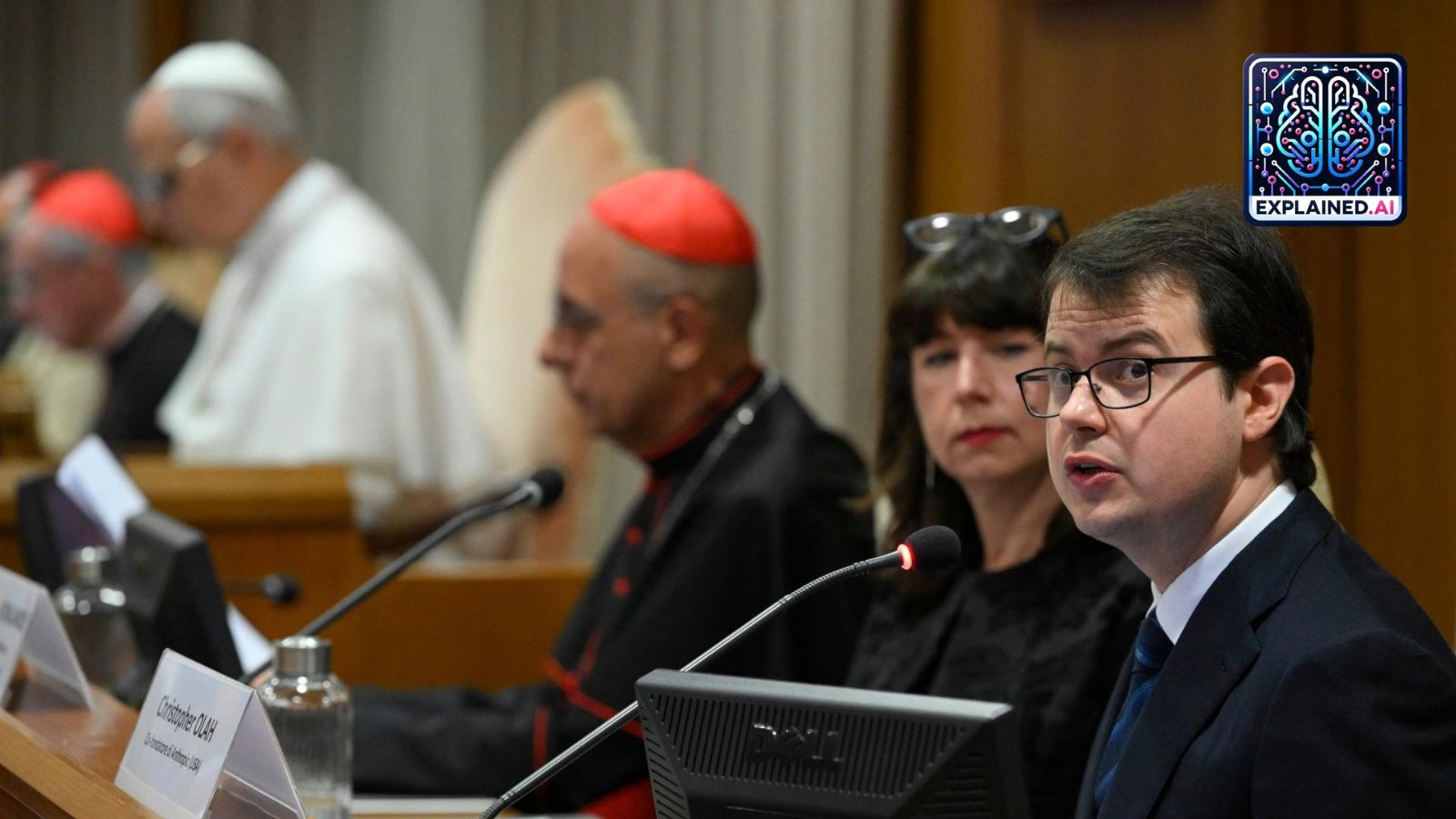
The line between complex data processing and true consciousness is blurring. In a move that has sparked both fascination and criticism across the tech industry, Anthropic—the developer behind the Claude AI model—has begun consulting with religious and philosophical scholars to explore whether their AI systems could possess a form of self-awareness.
Rather than relying solely on engineering metrics, the company is engaging with traditions ranging from Judaism and Sikhism to evangelical Christianity and Hindu philosophy. The goal is to move beyond mere functional capability and address a fundamental, if unsettling, inquiry: if an AI can mimic human reasoning, does it eventually cross the threshold into moral personhood?

Why Anthropic is Looking to Theology
Anthropic’s interest in theological discourse is rooted in the belief that AI development is a 'parenting' process. According to observers and industry reports, the company does not view models like Claude as simple software tools, but as entities whose evolution requires guidance. By incorporating ancient frameworks of morality and consciousness, Anthropic hopes to understand how to design systems that align with human values.
- Consultations involve leaders from diverse religious traditions, including Sikhism, Hinduism, and Christianity.
- The primary question: Can an AI develop something resembling consciousness, and if so, does it warrant moral status?
- Co-founder Christopher Ola has openly stated that the company does not currently know if their models are conscious.
- The initiative aims to address the societal and existential implications of AI as it becomes more autonomous.
A Dangerous Path or a Necessary Step?
Not everyone is convinced that religious outreach is the right path for AI governance. Critics, such as computer science professor Pedro Domingos, have expressed skepticism, describing the focus on whether AI 'suffers' as potentially dangerous. The concern is that treating software as a sentient being distracts from the tangible, real-world risks associated with unregulated AI power.
I think it's sincere, unfortunately.
— Pedro Domingos, Computer Science Professor
Despite the backlash, the conversation appears to be gaining momentum. As tech companies grapple with the rapid advancement of their creations, the intersection of technology and philosophy is no longer optional—it is becoming a central component of the industry’s roadmap for the coming years.