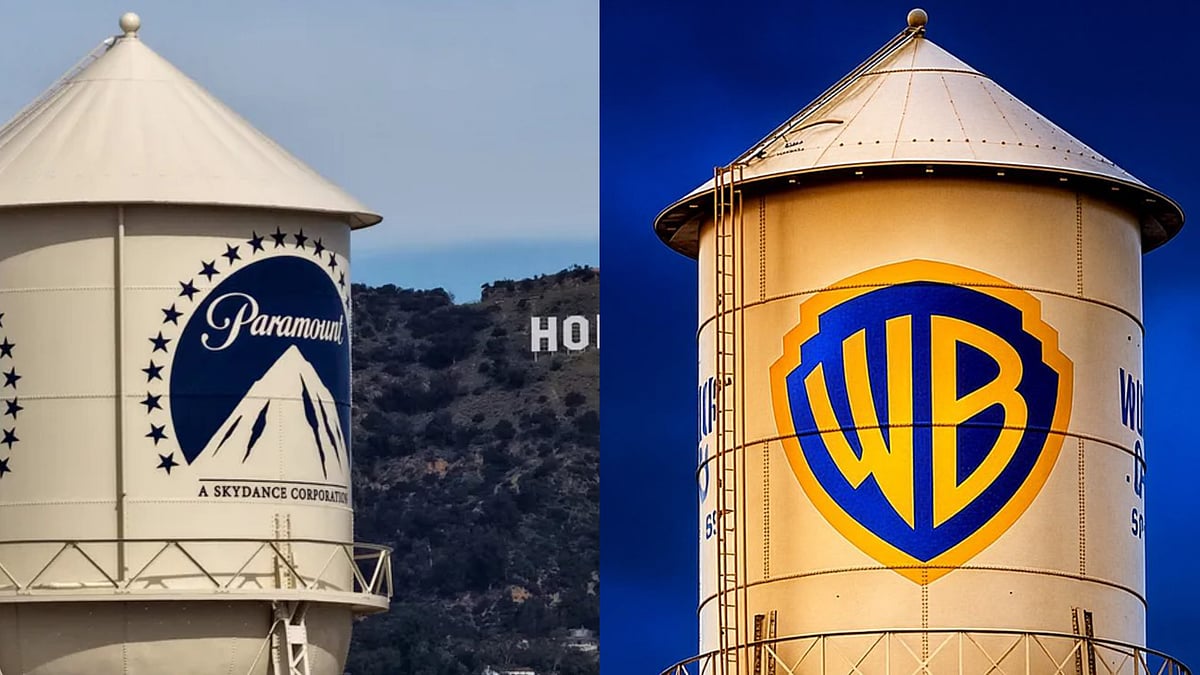
A New Era for Hollywood
The landscape of global entertainment has fundamentally shifted. Following months of speculation and intense industry debate, Paramount Skydance has officially closed its $110 billion takeover of Warner Bros. Discovery. This massive deal centralizes some of the most recognizable assets in media—including HBO, CNN, CBS News, and the cinematic vaults of both Paramount Pictures and Warner Bros.—under a single corporate umbrella.
Led by CEO David Ellison, the newly formed entity, operating as Skydance, aims to leverage this unprecedented scale to compete with the modern titans of content: Netflix, Disney, and the growing influence of major tech companies like Amazon and Apple.
Why This Merger Matters
The merger arrives at a precarious time for traditional media. With audiences increasingly migrating toward decentralized content creators and smaller, agile publishers, legacy studios have faced pressure to consolidate resources. By combining, Skydance inherits roughly $80 billion in debt, a figure that underscores the high stakes of Ellison’s strategy.
- Unification of massive franchises like Harry Potter, DC Studios, and Mission: Impossible.
- A combined streaming strategy aimed at reclaiming market share from Netflix and Disney.
- Increased bargaining power in carriage fees and advertising rates with cable providers.
- Strategic focus on technology-driven creativity to counter the rise of AI in entertainment.
The merger is a chance to build the next-generation media and entertainment company, powered by creativity and technology. The goal was not simply to get bigger but to take on the biggest players in our industry.
— David Ellison, CEO of Skydance
Addressing Industry Concerns
The deal has not been without its critics. Over 4,000 industry professionals, including directors and screenwriters, signed an open letter opposing the consolidation, citing concerns that it would further reduce competition and strain an already fragile ecosystem. In response, Ellison has pledged to maintain Warner Bros. Pictures as a standalone operation and committed to releasing 30 films annually across the combined studios, with a promise to keep theatrical windows open for at least 45 days.