A New Philosophical Divide in AI
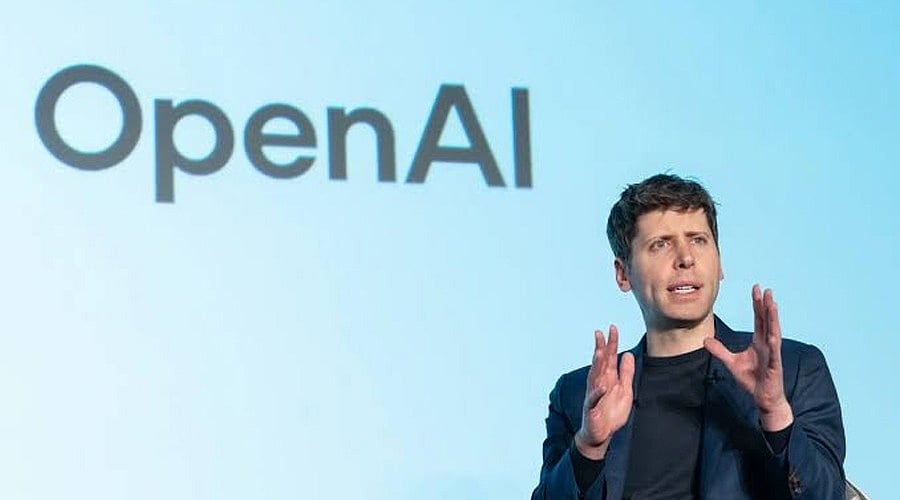
For years, the conversation around artificial intelligence has been dominated by fears of existential risk. But as AI systems move from experimental labs into the hands of millions, the industry’s leadership is splintering over how to manage the fallout. OpenAI CEO Sam Altman has taken a definitive stand: in a recent interview, he argued that society should accept that 'some bad things' will happen as a result of AI, provided that the overall benefits to humanity remain the primary focus.
This position puts Altman at odds with competitors like Anthropic, which has historically taken a more cautious approach to AI safety. The debate is no longer just about whether AI is safe; it is about who gets to decide how much risk the public is willing to bear.
Access Versus Control
At the heart of the disagreement is the question of accessibility. Some industry figures have argued for a 'fortress' approach, where powerful AI models are tightly controlled by a single lab to ensure nothing goes wrong. Altman rejects this, labeling it an 'unacceptable tradeoff.' Instead, he advocates for a model where AI remains broadly accessible, believing that individual human agency will produce orders of magnitude more good than the inevitable scams or minor harms that arise.
- OpenAI favors a 'lighter touch' regulatory approach to ensure public access.
- Anthropic has expressed concerns regarding catastrophic risks, leading to a visible 'daylight' between the two companies.
- Altman acknowledges that AI could lead to a loss of control, but argues against slowing progress to the point of stagnation.
- The current debate highlights a fundamental clash in worldview regarding the pace of innovation and oversight.
We believe that the world should accept some bad things happening for the benefits of this technology and people having the agency.
— Sam Altman, CEO of OpenAI
What Comes Next for Regulation?
While Altman has called for a federal framework to establish consistent safety requirements for frontier AI, he maintains that companies shouldn't wait for government legislation to act. The rift with Anthropic signals a maturing industry where the honeymoon phase of AI development is ending, replaced by hard questions about governance, liability, and the price of progress.