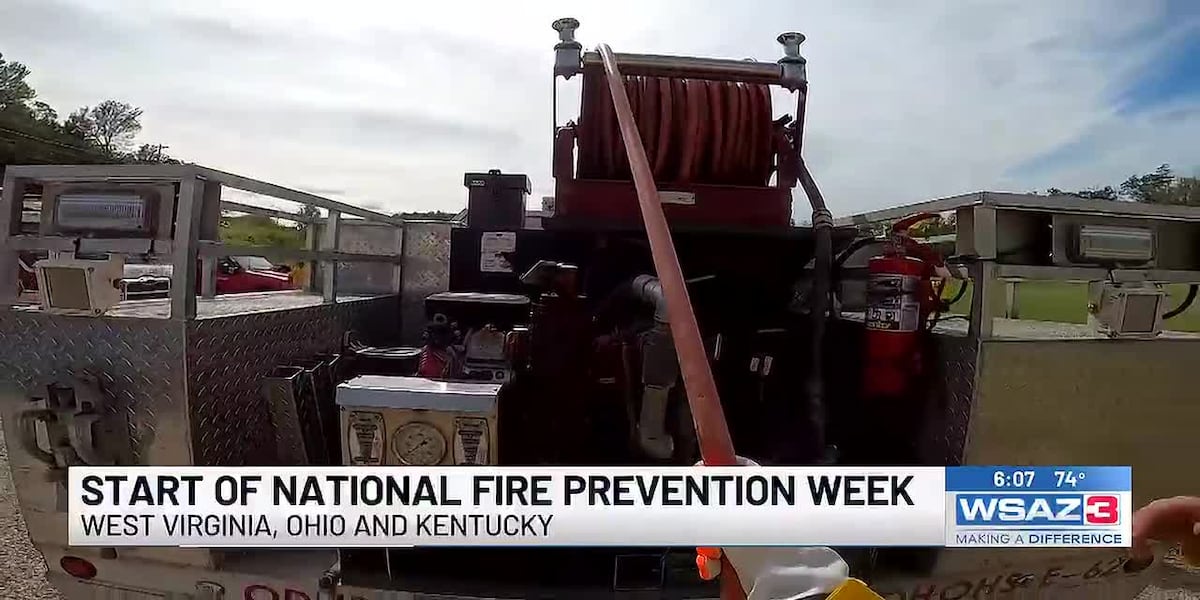
Why Fire Prevention Week Matters Now
Fire Prevention Week, running from October 4–10, 2026, serves as a critical annual reminder that home safety is not a set-it-and-forget-it task. With firefighters across the country hosting open houses and safety workshops, the focus remains clear: early detection and preparation are the difference between a minor incident and a tragedy. Experts note that in the event of a home fire, you may have as little as two to three minutes to escape safely.
The First Line of Defense: Smoke Alarms
Smoke alarms are your most vital tool for survival, but they only work if maintained correctly. Fire safety officials recommend the following guidelines for your home:
- Install smoke alarms on every level of the home, including the basement.
- Place alarms inside every bedroom and outside all sleeping areas.
- Test your alarms at least once a month by pushing the test button.
- Replace any smoke alarm that is 10 years old or older.

Building Your Escape Plan
Having an alarm is only half the battle; knowing exactly how to react is the rest. Families are encouraged to draw up a floor plan that identifies two exits from every room. Practice your escape drill twice a year—ideally once during the day and once at night—to ensure everyone in the household knows where to go and where to meet outside.
If a fire occurs in your home, GET OUT, STAY OUT and CALL FOR HELP. Never go back inside for anything or anyone.
— American Red Cross
Preventing Hazards Before They Start
Beyond detection, prevention is key. Kitchen fires remain a leading cause of home emergencies, so always stay in the room when frying, grilling, or broiling food. Additionally, ensure you maintain three feet of clearance around portable heaters and never leave candles unattended. For those managing household waste, note that new regulations—such as upcoming lithium-ion battery bans in certain jurisdictions—are being implemented to reduce fire risks associated with improper disposal.