music & culture••5 min read

The Ruthless Efficiency of Ian Anderson: How Jethro Tull Stays Relevant

Jethro Tull frontman Ian Anderson opens up about the band's decades-spanning evolution and his uncompromising approach to songwriting. Discover why he considers 'destructive recording' the key to his creative longevity.

The Ruthless Efficiency of Ian Anderson: How Jethro Tull Stays Relevant

A Lifetime of Musical Exploration

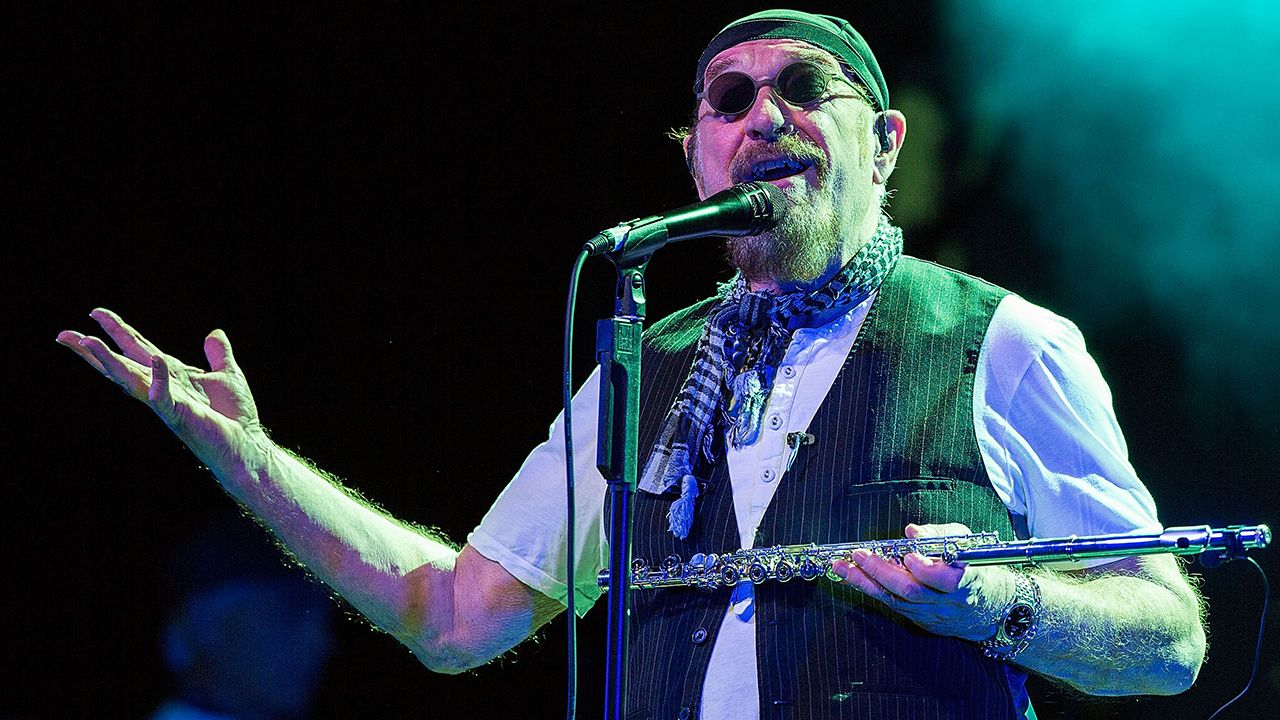
For over five decades, Ian Anderson has remained the driving force behind Jethro Tull, a band that redefined the boundaries of progressive and folk rock. From his early days in Scotland to becoming a global icon, Anderson’s career has been defined by a refusal to stand still, moving through diverse sounds while maintaining a distinct, recognizable identity.

The Philosophy of Destructive Recording

While many legacy artists hoard decades of unfinished demos, Anderson takes the opposite approach. He describes his songwriting method as 'destructive recording.' If an idea doesn't work, it is discarded immediately; if it needs refinement, he cuts it without hesitation. This ruthless efficiency keeps his work feeling fresh and prevents the band from relying on nostalgia-driven filler.

  • Discarding subpar material to maintain quality control.
  • Balancing traditional folk influences with modern progressive rock structures.
  • Embracing the collaborative process, even when working remotely with band members.
  • Focusing on intimate, personal storytelling while maintaining a band-oriented sound.

There’s something perversely satisfying about Ian Anderson’s approach to songwriting. Some artists hoard demos like dragon treasure... Not Anderson. If it doesn’t work, it’s gone.

— The Strange Brew

Looking Toward the Future

Anderson’s ability to pivot—such as deciding to release material as Jethro Tull albums after years of solo work—demonstrates his commitment to the band's legacy. As he continues to integrate newer material with the classic catalog, his goal remains clear: creating a cohesive, satisfying experience that connects the history of Jethro Tull with his current creative output.

Key Takeaways

  • Ian Anderson employs a 'destructive' songwriting process that prioritizes immediate quality over saving unfinished demos.
  • Jethro Tull’s evolution involves balancing classic folk-rock roots with modern progressive experimentation.
  • Remote collaboration has played an increasingly important role in the band's recent recording sessions.
  • Anderson actively manages the band's legacy by blending legacy hits with new album material in live performances.
  • Beyond music, Anderson pursues eclectic interests including wildcat conservation and horology.

FAQ

What is Ian Anderson's 'destructive recording' method?

It is a creative philosophy where Anderson ruthlessly cuts or discards musical ideas that do not meet his standards, rather than stockpiling demos for future use.

Did Ian Anderson always plan to release his work as Jethro Tull?

No. For years, he released music under his own name, only returning to the Jethro Tull moniker for albums like 'The Zealot Gene' when he felt the material fit the band's identity.

Where is Ian Anderson from?

He was born in Dunfermline, Fife, Scotland, in 1947 before moving to Blackpool, England, in 1959.

What are some of Ian Anderson's hobbies outside of music?

He is an enthusiast of hot chile peppers, the conservation of small wildcats, mechanical watches, fountain pens, and photography.

Related Videos

Why Jethro Tull's Ian Anderson Chose the Flute Over Guitar

AXS TV

Jethro Tull - Aqualung (Ian Anderson Plays The Orchestral Jethro Tull)

Jethro Tull

Bob interviews Jethro Tull's Ian Anderson for #OGWT 9 May 1978

Whispering Bob Harris

Sources