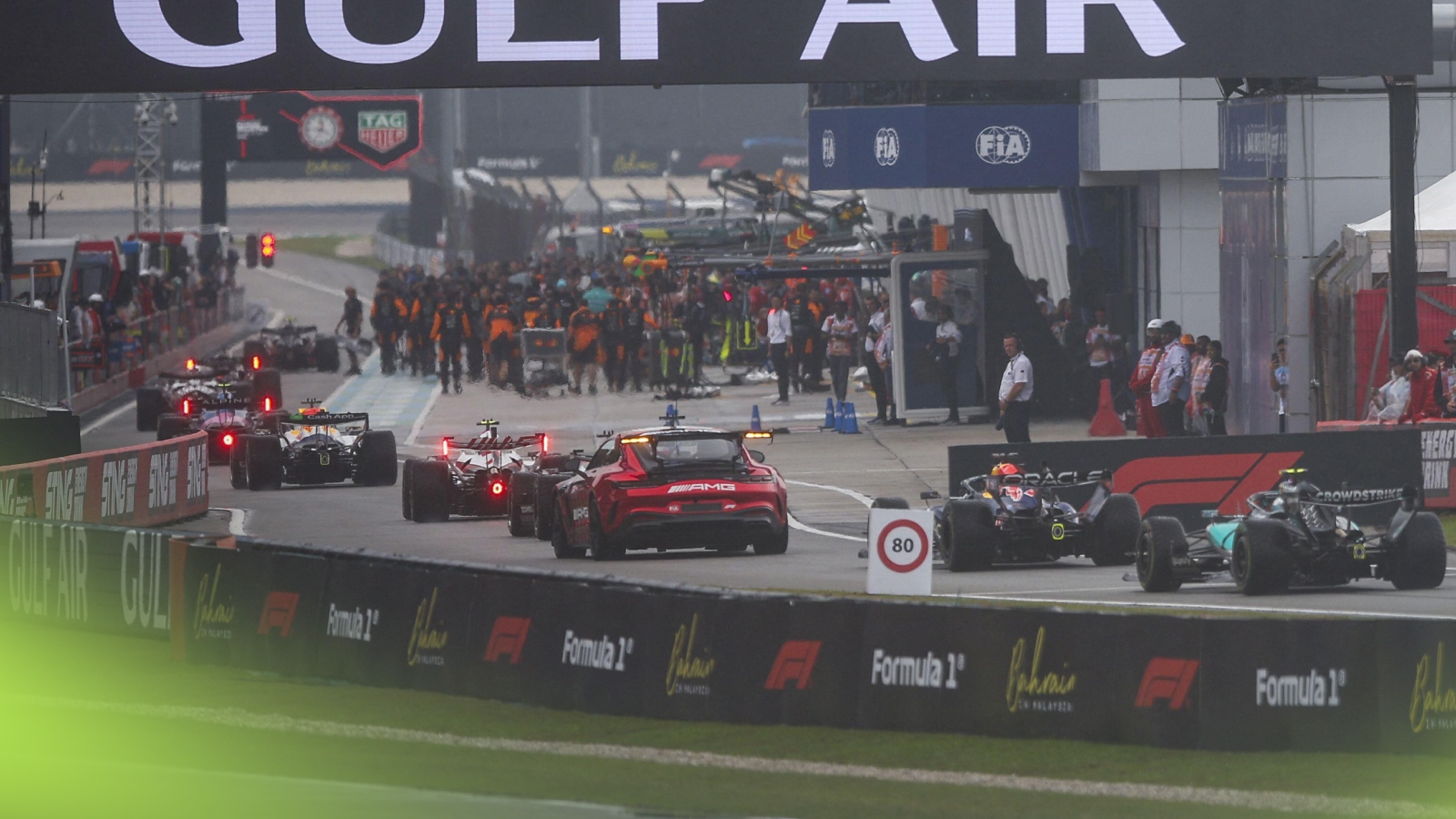
motorsport technology••4 min read

Why a Software Glitch Turned the Bahrain Grand Prix Into a 'Lego Race'

A major software bug during the Bahrain Grand Prix in Malaysia left drivers unable to restart their cars, turning the start into a chaotic scene. FIA officials and drivers are now questioning if modern F1 technology has become too complex for its own good.

Why a Software Glitch Turned the Bahrain Grand Prix Into a 'Lego Race'

A Systemic Failure on the Grid

Formula 1 prides itself on being the pinnacle of automotive engineering, but last weekend in Malaysia, that reputation took a hit. During the Bahrain Grand Prix, a previously unidentified software bug triggered a mass power failure among the grid, forcing drivers to come to a near-standstill. The incident prompted drivers to label the race 'farcical' and 'totally unacceptable,' as the world's most sophisticated racing machines struggled with a technical issue reminiscent of a basic computer freeze.
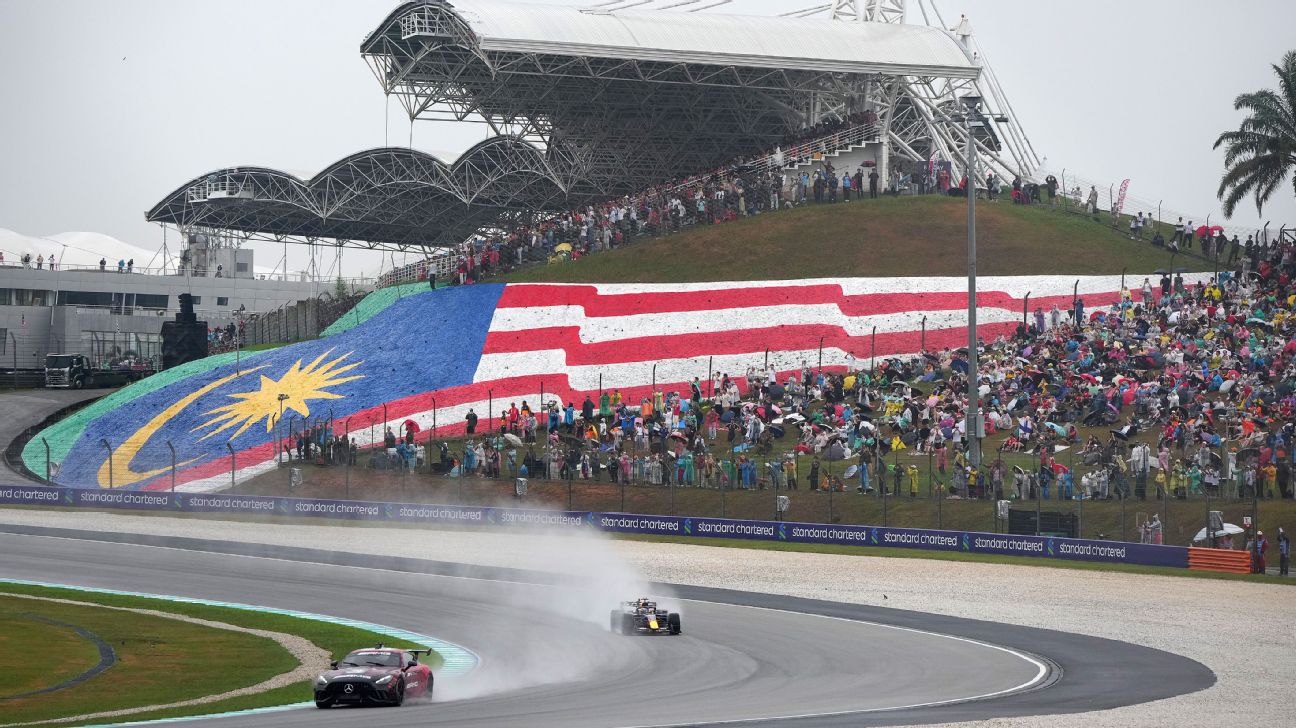
Drivers expressed intense frustration following the technical failures at the Sepang circuit.

The Anatomy of a 'Loop'

FIA technical officials, including Nikolas Tombazis, have since explained that the failure was caused by a 'perfect storm' of conditions. Due to wet weather, cars were running at low speeds with restricted power deployment—limited to 250kW instead of the standard 350kW. This unusual operating state caused the car's computer to enter a 'loop,' where it became stuck and unable to initiate power return.

  • Wet weather conditions forced energy levels down to 250kW.
  • A software bug prevented the electrical power from re-engaging.
  • Drivers were forced to perform manual 'restarts' on track, much like rebooting a frozen PC.
  • The resulting 'concertina effect' caused cars to almost grind to a halt on the opening lap.

Complexity vs. Competition

The incident has reignited the debate surrounding the 2026 F1 regulations. Critics argue that the current power units are excessively complex, creating a paradox where technological advancement actually inhibits racing. Esteban Ocon aptly described the frustration, noting that the only way to recover was to stop the car and essentially 'restart Windows,' a process that is clearly not conducive to high-stakes motorsport.

It’s all just so complicated. The power units are exceptionally complicated, the more complicated you make things, the more there is to go wrong.

— Anonymous F1 Industry Source

Key Takeaways

  • A software bug in the energy deployment system caused cars to lose power during the race start.
  • The FIA confirmed the bug was triggered by extreme wet-weather power limitations.
  • Drivers expressed severe frustration, labeling the event as a 'farcical' display of technical failure.
  • The incident has raised questions about whether modern F1 rules are making the sport too complex.
  • Teams were forced to perform manual system resets mid-race to get cars back under power.

FAQ

What caused the F1 power failure in Malaysia?

A software bug triggered by wet-weather power restrictions caused the cars' computers to get stuck in a loop, preventing electrical power deployment.

How did drivers fix the issue?

Some drivers had to stop their cars entirely to perform a full system reset to regain power.

Are the 2026 F1 regulations being blamed?

Yes, many in the paddock are suggesting that the extreme complexity of current power unit rules may be causing more technical failures than they are worth.

What is the 'concertina effect' mentioned?

It refers to the accordion-like bunching of cars on the track when the leader slows down unexpectedly, creating dangerous conditions for the following drivers.

Related Videos

What Really Shut Down Verstappen And Hamilton — And What They Didn't Tell You On TV

F1 Verdict

Sources