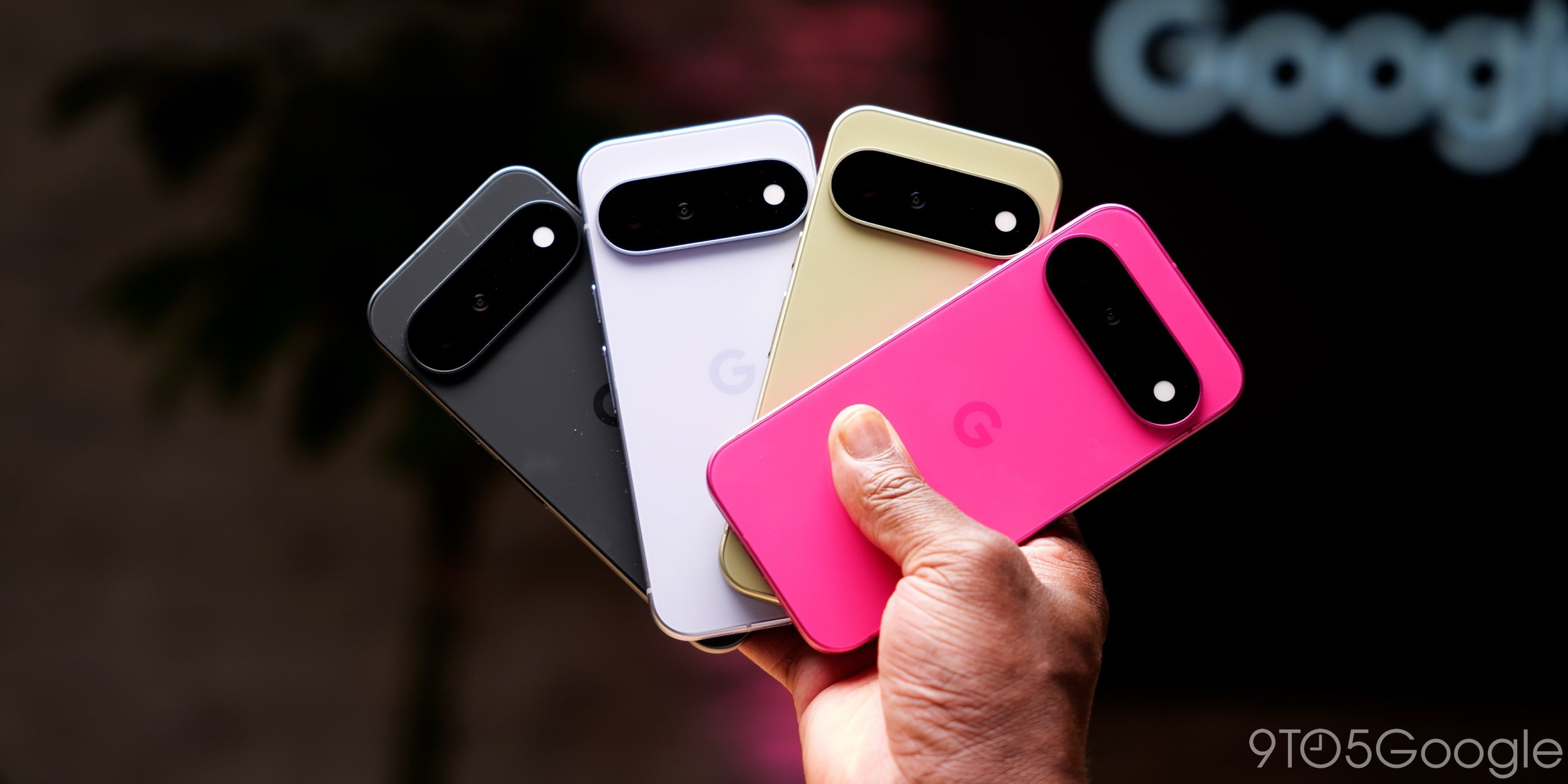
A Familiar Look with Internal Upgrades
The Google Pixel 11 series has officially landed, bringing a refined evolution of the iconic camera-bar aesthetic. While the exterior remains familiar, the core of the experience has shifted toward AI optimization. Google has debuted the Tensor G6 chipset, which, while not a complete architectural overhaul, prioritizes efficiency and a massive 50% increase in AI computational power compared to its predecessor.
The Tensor G6 and Performance Reality
Under the hood, the Tensor G6 is designed for heavy lifting. Google claims the chip provides a 25% boost in web browsing speeds and 15% faster application launches. Despite the benchmark discourse often favoring competitors like Apple and Qualcomm, the real-world experience tells a different story.
- 12GB of RAM is now standard, serving as the sweet spot for on-device AI tasks.
- The base storage tier has been bumped to 256GB, with UFS 4.X storage speeds.
- Thermal stability remains a highlight, with the chip maintaining performance during extended use better than many high-end alternatives.
Display and Build Quality
Google has doubled down on screen durability, with the new OLED panels boasting twice the scratch resistance of previous generations. Peak brightness for the Pro models now hits a staggering 3,600 nits, ensuring excellent visibility even in direct, harsh sunlight.

Trouble in Paradise: The NFC Bug
Despite the hardware wins, the Pixel 11 launch hasn't been entirely smooth. A surge of user reports has highlighted critical issues with the device’s NFC functionality. Owners are reporting rejected contactless payments and unresponsive digital cards within Google Wallet. While Google has yet to provide an official timeline for a fix, the issue has left many users frustrated during daily transactions.
The Pixel 11 feels incredibly smooth in everyday use, and Android 17 is consistently snappy and responsive on our 12GB/256GB review unit.
— GSMArena Review