A Hard-Won Vision
For fans of Patrice Désilets, the name 1666: Amsterdam has been synonymous with 'the game that almost wasn't.' Désilets, best known as the foundational architect behind the Assassin’s Creed series, first conceptualized the project in 2011. What followed was a complex web of corporate maneuvers: THQ’s bankruptcy, Ubisoft’s acquisition of the studio, and a protracted legal fight over the intellectual property rights. After winning back the rights to his creation, Désilets and his team at Panache Digital Games have finally brought the project to life, entering Early Access on August 25, 2026.
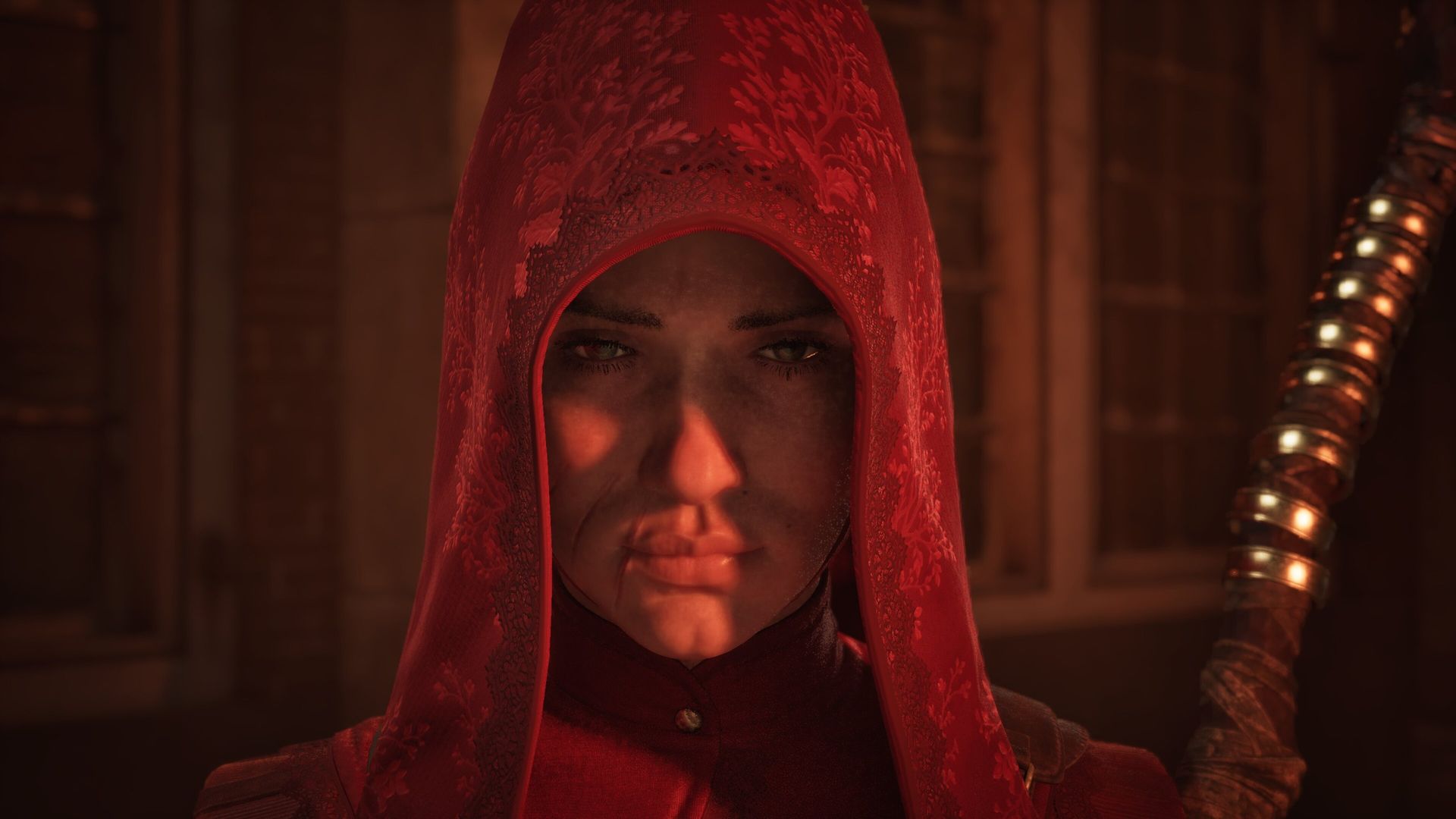
What Is 1666: Amsterdam?
At its core, 1666: Amsterdam is a dark, third-person action-adventure game centered around themes of witchcraft, history, and the supernatural. True to Désilets’ penchant for complex historical narratives, the game features an unusual structure, with gameplay spanning across three distinct time periods. It is designed not as a standalone experience, but as the inaugural entry in what the developer calls a 'Global Witchcraft Franchise,' intended to travel to different locations much like the early Assassin's Creed titles.
- Genre: Third-person action-adventure
- Developer/Publisher: Panache Digital Games
- Key Themes: Witchcraft, historical fantasy, time-spanning narratives
- Platform: PC (Early Access)
Looking Toward the Future
While the game is currently in Early Access, the vision remains expansive. Désilets has expressed a clear intent to build a larger universe around the concepts introduced in 1666. For players who have followed the development cycle for the better part of fifteen years, the arrival of the title is a landmark moment in indie game development. It represents not just a new game, but the culmination of a creator’s fight to maintain his artistic autonomy.
Three, six, nine are the numbers of the game.
— Patrice Désilets