A Terrifying Mid-Air Struggle
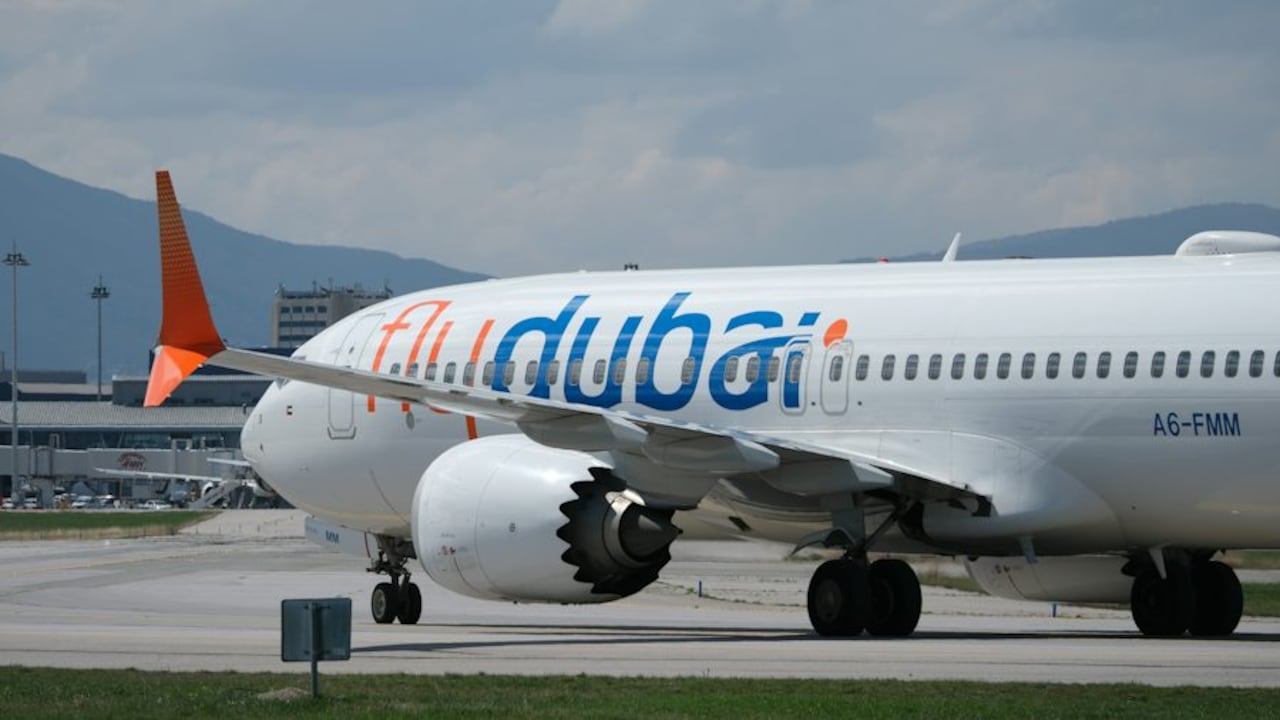
On September 30, 2026, Flydubai flight FZ1073, en route from Dubai to Tel Aviv, became the site of a harrowing emergency. Reports indicate that the co-pilot, identified in recent disclosures as Hamam Al Hamami, allegedly attacked the flight captain, Smit Machchhar, mid-flight. The ensuing struggle sent the aircraft into a rapid descent, with the plane losing over 14,000 feet in altitude before the situation could be stabilized.
Passengers described the experience as sounding like a “terror attack,” with the chaos resulting in the captain sustaining injuries. Thanks to the swift intervention of crew members and passengers who rushed the cockpit to subdue the attacker, the flight was able to make an emergency landing in Saudi Arabia. All 182 people on board were ultimately secured.

The 'Insider Threat' Blind Spot
Since the September 11 attacks, global aviation security has been hyper-focused on keeping intruders out. Armored cockpit doors and rigorous terminal security were designed to prevent hijackings from the cabin. However, the FZ1073 incident highlights a vulnerability that these measures cannot address: the insider threat.
- Current security protocols are largely designed to neutralize external threats.
- Aviation experts, including Menachem Bachrach, suggest the incident may be a result of compliance lapses in crew vetting rather than a systemic failure in hardware.
- Investigations are currently underway by authorities in Saudi Arabia, the UAE, Israel, and the United States to determine a motive.
Before we’re jumping to tighten security, I would just say it’s likely that somebody didn’t follow the protocols.
— Menachem Bachrach, Aviation Security Expert
A Heroic Response Under Pressure
Amidst the tragedy and investigation, the actions of Captain Smit Machchhar have drawn widespread praise. Following the ordeal, Machchhar spoke with Indian Prime Minister Narendra Modi, detailing how he remained focused on keeping the aircraft airborne despite the attack. The pilot's composure has been celebrated internationally, with public figures such as actor Salman Khan publicly commending his efforts.
Future Implications for Global Aviation
The incident has sparked a necessary conversation regarding how airlines vet their own staff. For Israel-bound flights in particular, there is renewed scrutiny over how foreign carriers maintain security standards. While experts caution against reactive policy changes, the industry is clearly at a turning point where the definition of 'security' must broaden to include the individuals behind the controls.