From Gaming to the Frontline
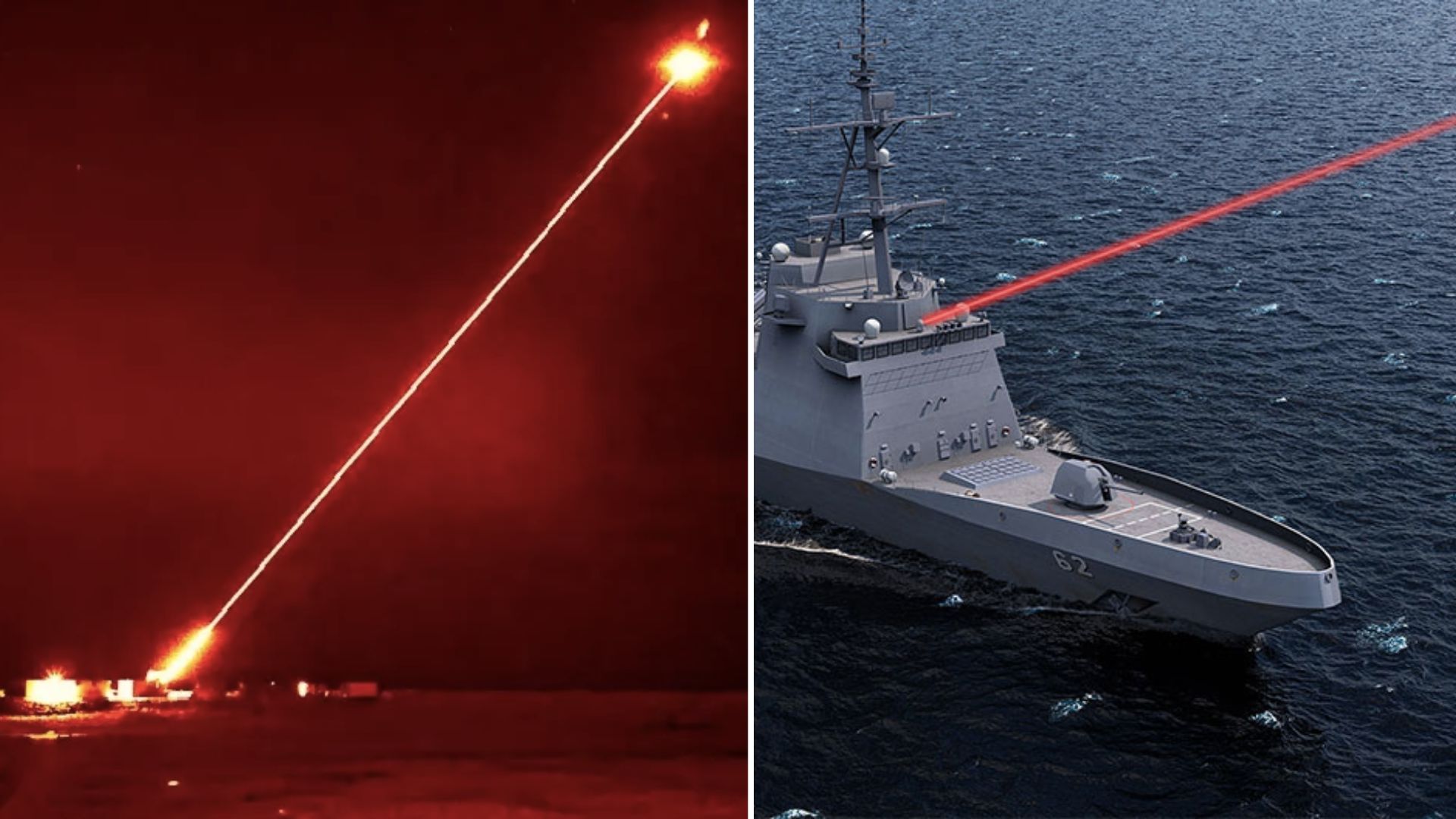
In a move that sounds like a plot point from a science fiction film, the US military has started using modified, Xbox-style game controllers to operate high-energy laser weapon systems in the Strait of Hormuz. These directed-energy platforms are increasingly being deployed to counter the rising threat of drones and other aerial incursions, marking a significant evolution in how modern naval defense systems are controlled.
The Practicality of Familiar Interfaces
Why choose a game controller for a multi-million dollar weapon system? The answer lies in accessibility and operator familiarity. By leveraging the intuitive layout of gaming hardware, operators can potentially reduce training time and improve reaction speeds during high-stress scenarios. As defense systems move toward more complex digital fire-control integrations, the need for ergonomic, user-friendly interfaces has become a priority.
- Intuitive design reduces cognitive load for operators.
- Modified controllers allow for rapid, precise adjustments in real-time.
- Game-based interfaces are cost-effective compared to custom-built hardware.
- Allows military personnel to utilize skills built from years of digital interface familiarity.
Why Lasers Are Changing Modern Warfare
Laser weapons—or directed-energy weapons (DEW)—work by emitting concentrated beams of electromagnetic energy, usually in the infrared spectrum. Unlike kinetic missiles, which are expensive and limited in supply, lasers offer a nearly unlimited supply of 'ammunition' at a near-zero cost per shot. They are particularly effective against small, agile threats like drones, which can be difficult and costly to engage with traditional anti-aircraft missiles.
High-power lasers can defeat UAS by rapidly heating and structurally compromising control surfaces, propulsion systems, and onboard electronics. Against small drones, even 20–50 kW lasers can induce catastrophic failure within seconds.
— Institute for National Strategic Studies
The Path Forward
While these systems represent a massive leap in tactical capability, they are not without challenges. High-energy systems generate significant heat, requiring complex cooling cycles between shots. Furthermore, as laser technology matures, it faces a 'Red Queen’s race'—an ongoing cycle where adversaries adapt to new technologies, forcing defense developers to continuously improve their platforms to avoid obsolescence.