The Human Spark vs. Statistical Calculation
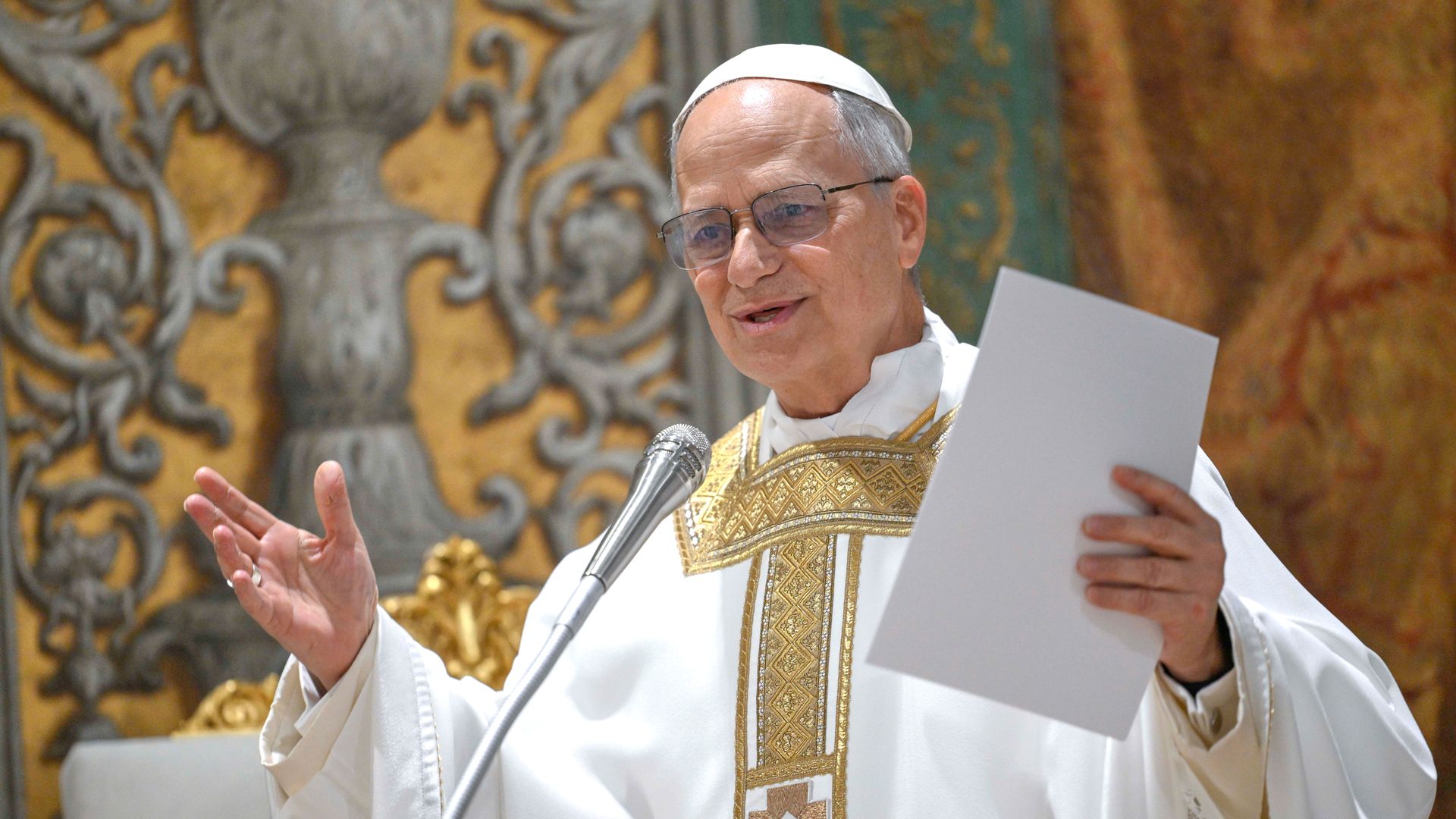
The debate over artificial intelligence has officially reached the highest echelons of the Vatican. Pope Leo XIV has made his most direct intervention yet, condemning AI-generated content as a threat to the essence of human creativity. In a recent statement, the Pope argued that there is an 'ontological difference' between human art and the statistical outputs of machines.
For the Pope, the issue is not merely aesthetic—it is existential. He asserts that while machines can process millions of data points to mimic masterpieces, they ultimately fail to capture the 'spark of humanity' inherent in the creative process.
Three Pillars of Protection
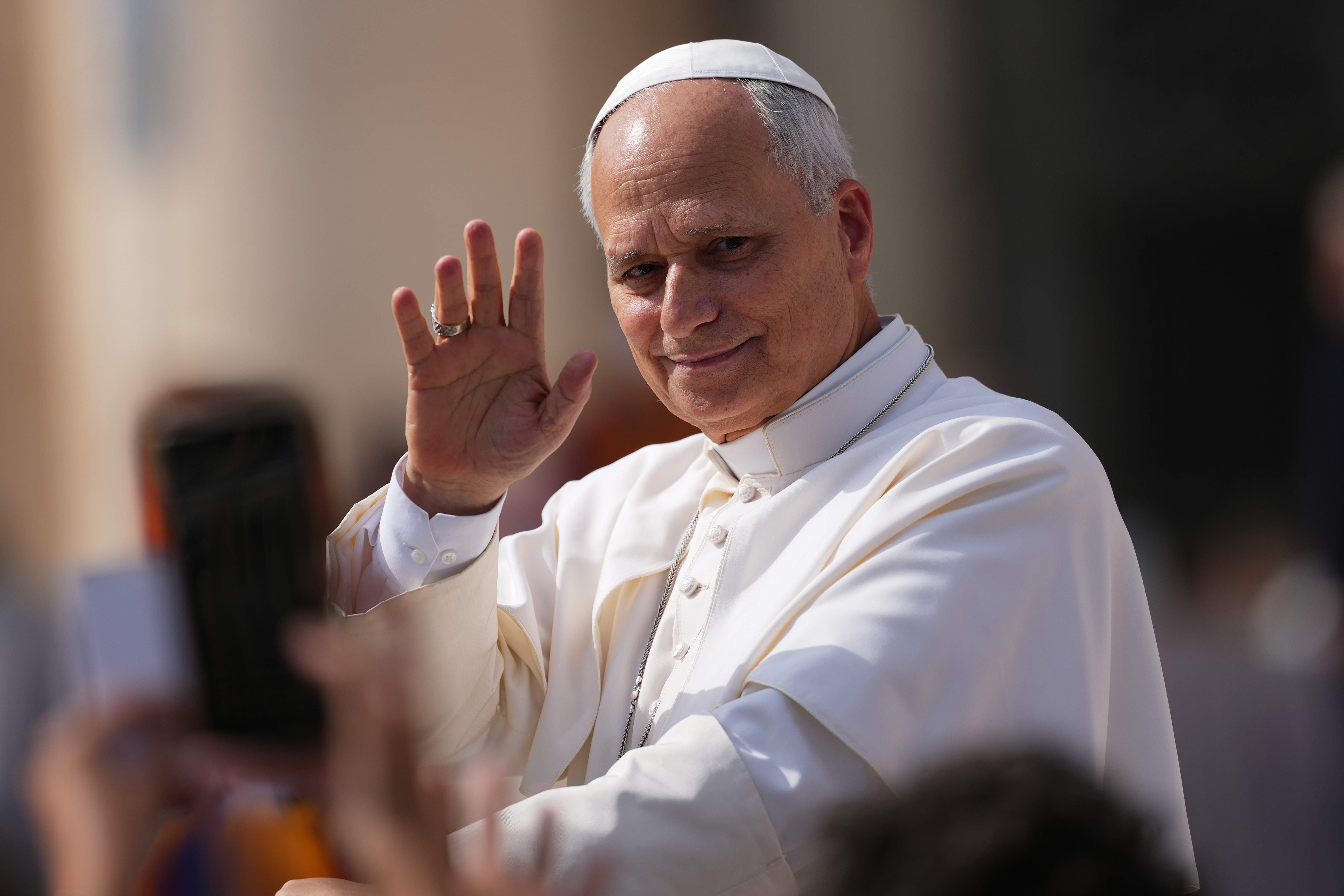
The Vatican’s stance is not just a rhetorical critique; it is a call to action. Pope Leo XIV has proposed a framework to safeguard human expression against the encroachment of generative AI, focusing on three specific pillars:
- Responsibility: Mandating clear identification of AI-generated content and robust protection for human authorship.
- Cooperation: Building an alliance between technology firms, lawmakers, educators, and the global artistic community.
- Education: Prioritizing digital literacy and critical thinking to ensure the public remains an active creator rather than a passive consumer of algorithmic content.
A Conflict of Interests
This latest push follows the Pope's May encyclical, 'Magnifica Humanitas' (Magnificent Humanity), which called for strict regulation of AI development. The Vatican’s position comes at a time when major tech companies, including Anthropic, have reportedly attempted to lobby the Church on issues surrounding AI consciousness and moral frameworks—efforts that have thus far seen limited success.
We are not a species made of biochemical algorithms, predefined in advance. Each of us has an irreplaceable and inimitable vocation.
— Pope Leo XIV
As the influence of AI grows, the Church is signaling that it will continue to be a primary voice advocating for the dignity of human labor and creation. Whether this will lead to tangible policy shifts or merely serve as a moral barometer for the industry remains to be seen.