A Fight for Survival at 30,000 Feet
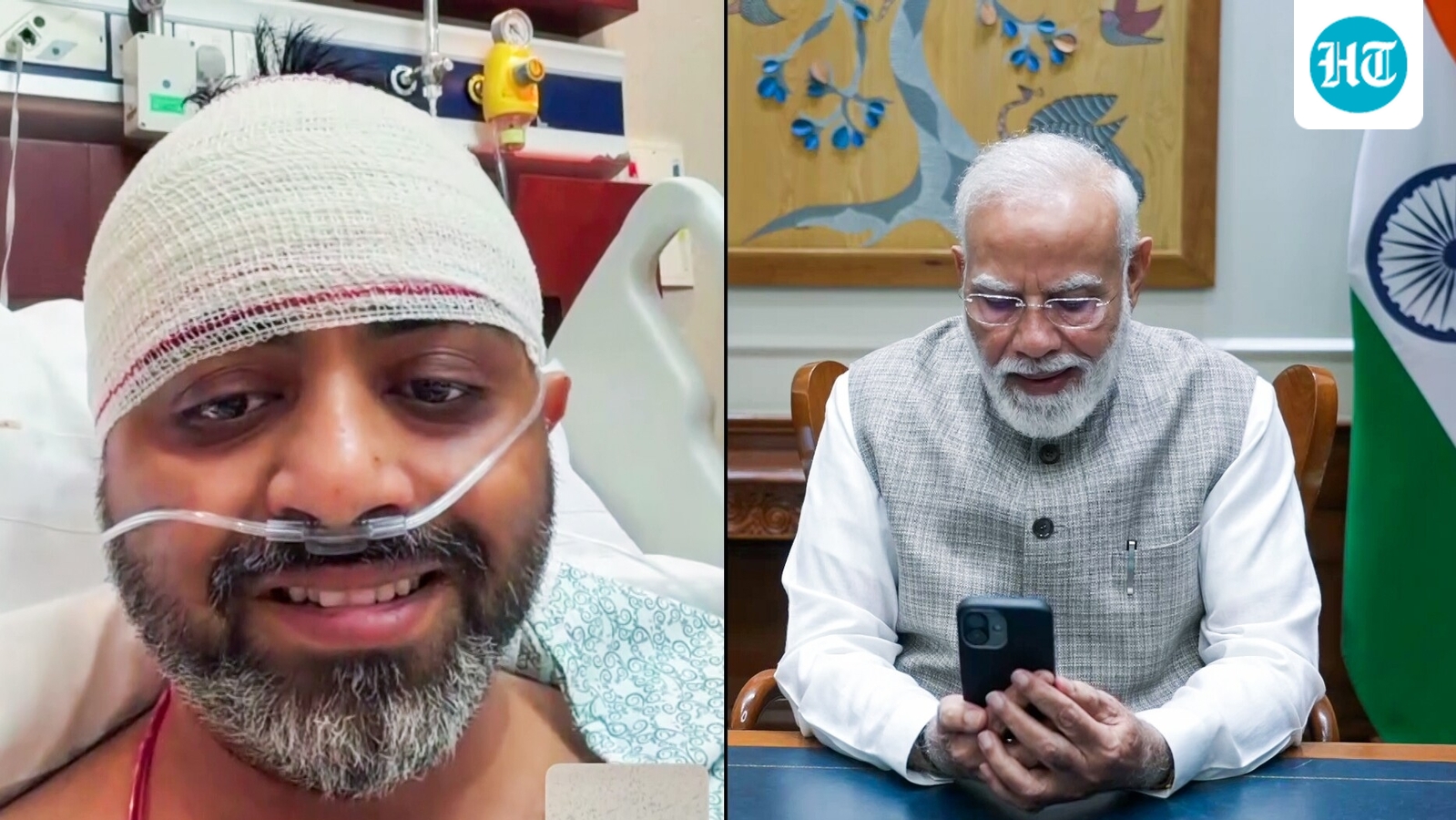
On a recent flight from Dubai to Tel Aviv, the routine journey of Flydubai Flight FZ1073 transformed into a terrifying mid-air struggle. With 174 passengers on board, the cockpit became the scene of a life-or-death confrontation when the captain was attacked by his own co-pilot. Indian-born pilot Captain Smit Machchhar, despite suffering severe stab wounds, maintained the presence of mind to maneuver the situation, ultimately ensuring the aircraft did not succumb to an apparent hijacking attempt.

The Turning Point: Unlocking the Cockpit
As the plane began a rapid descent, plummeting 17,400 feet in less than two minutes, the situation appeared dire. Aviation experts note that the cockpit door is designed for security, making it extremely difficult to access from the outside during a crisis. Captain Machchhar, despite his critical injuries, managed to reach the co-pilot side of the cockpit to unlatch the door. This act allowed passengers and off-duty pilots traveling as commuters to storm the cockpit and subdue the attacker.
- The flight was diverted to Tabuk, Saudi Arabia, where it landed safely.
- Two off-duty pilots on board assisted in landing the aircraft.
- Captain Machchhar was hospitalized following the incident.
- A multi-nation investigation is currently underway to determine the motives behind the attack.
In the face of the gravest danger and despite being seriously injured, he showed immense courage and an unwavering resolve to protect the lives of others. His valor helped save hundreds of lives and avert a great tragedy.
— Narendra Modi, Prime Minister of India
Global Recognition and Implications
The aftermath of the incident has seen an outpouring of gratitude from the Israeli public, as the majority of passengers on board were Israeli citizens. The incident has also sparked a wider diplomatic conversation, with international leaders closely monitoring the ongoing probe into the attack. For the aviation industry, this event highlights the critical importance of cockpit security protocols and the necessity of flight crews trained to act under extreme, unexpected duress.