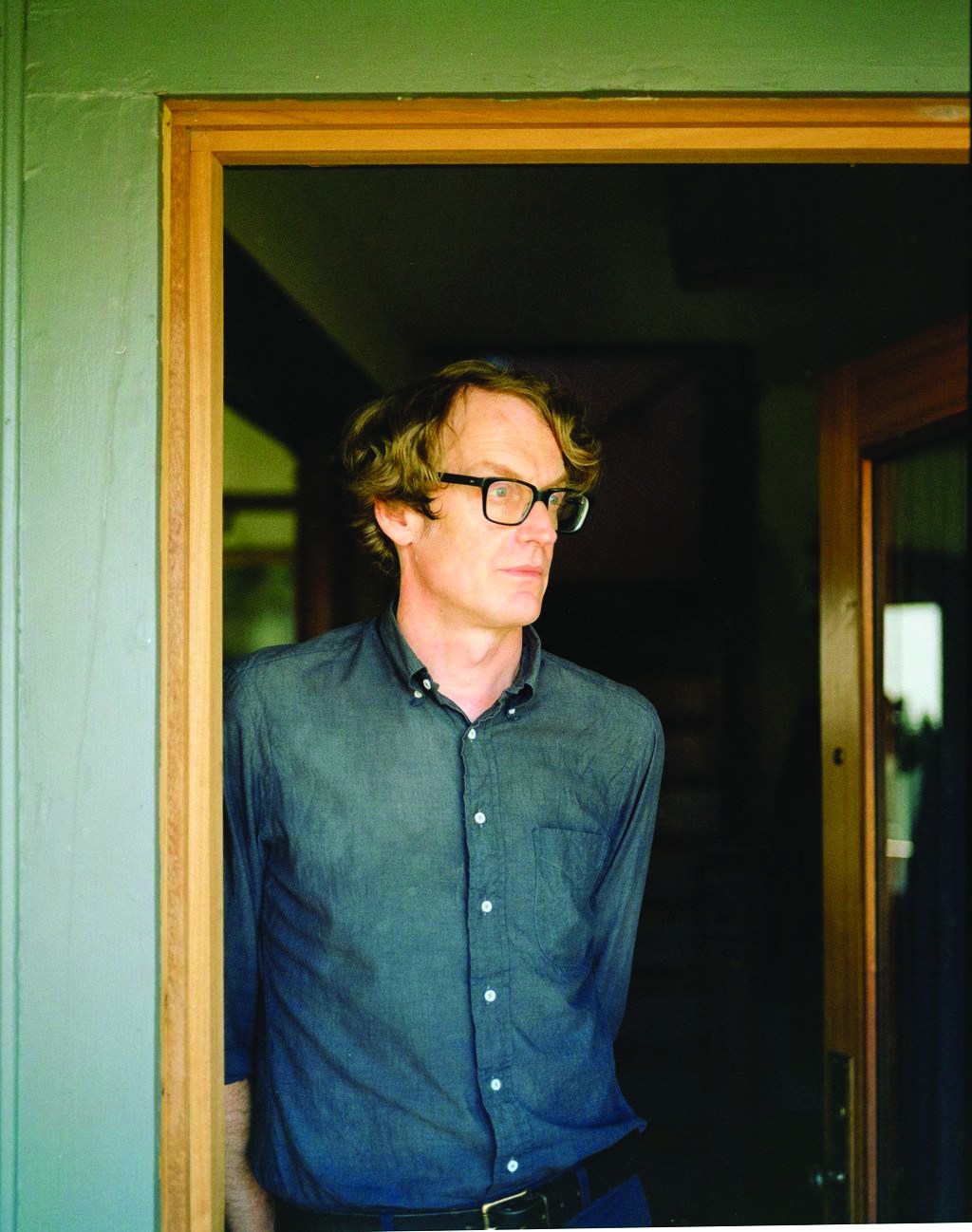
A New Chapter for a Modern Master
Patrick deWitt has earned a reputation for being something of a literary shapeshifter. From the Western-infused grit of 'The Sisters Brothers' to the screwball satire of 'French Exit,' deWitt rarely repeats himself. His sixth novel, 'Dodge City,' continues this trajectory, moving away from familiar territory into a 1967-set road trip story that feels both timely and deeply rooted in historical tension.
But how does one craft a novel that manages to feel like a classic film while maintaining such a unique voice? For deWitt, the answer lies on the open road.
The Geometry of the Open Road
In recent interviews, the Canadian-American author has pulled back the curtain on his writing process, emphasizing the role of long, often unconventional drives. Residing in Portland, Oregon, deWitt explains that taking odd, circuitous routes has become a vital component of his creative output. These drives do more than just clear the mind; they seem to provide the rhythmic pulse that defines the narrative flow of 'Dodge City'.
- The novel follows Lee Clarke, a young man expelled from U.C.L.A. after a violent encounter.
- Set in 1967, the story centers on the looming threat of the Vietnam draft.
- Critics describe the tone as 'brisk' and 'melancholic,' blending road trip tropes with deep character study.
- The dialogue remains a hallmark of deWitt’s style, featuring his signature off-kilter, slightly formal register.
A Study in Flux
The narrative follows Lee Clarke as he confronts a country undergoing radical change. When Lee faces his draft notice, the realization of the world he is being asked to serve—represented by the jingoistic imagery of the induction office—acts as a catalyst for his journey. It is a story of a family in disarray and a nation in transition, viewed through the lens of a protagonist who feels increasingly out of place.
Dodge City represents a signal achievement in an already illustrious body of work by the 'twenty-first-century Mark Twain'.
— Slate
Why It Matters
Critics have compared deWitt’s body of work to that of an old-school studio film director, noting that he carries specific themes across seemingly unrelated genres. 'Dodge City' is no exception. By grounding the narrative in the specificity of 1967, deWitt explores timeless themes of division and war, proving that even as his settings change, his ability to dissect the stranger aspects of human behavior remains as sharp as ever.