A New Strategy for a Competitive Era
The automotive industry is facing a transformative period marked by the shift to electric mobility and aggressive expansion from manufacturers in China. In response, BMW Group has announced a major strategic pivot during its 2026 Capital Market Day, aiming to improve profitability through streamlined structures and the deep integration of artificial intelligence.
BMW has set a long-term goal to restore its automotive operating profit margin to between 8% and 10% by the early 2030s. To get there, the company is moving away from complexity, focusing on core models, and rethinking its corporate hierarchy.
Leaner Operations and the 'AI-Defined Vehicle'
Part of BMW's efficiency program involves a significant reduction in administrative overhead. The company plans to cut its number of divisions and management positions by 20% by mid-2027, with additional reductions planned throughout the organization. By simplifying its vehicle portfolio—including the decision not to replace the 2 Series Active Tourer—BMW aims to concentrate its resources on high-return models.
- Implementation of AI across engineering, manufacturing, and aftersales.
- Development of the 'AI-defined vehicle' to enhance software-driven features.
- Localized strategy for China, with 95% of locally produced vehicles tailored to domestic preferences by 2030.
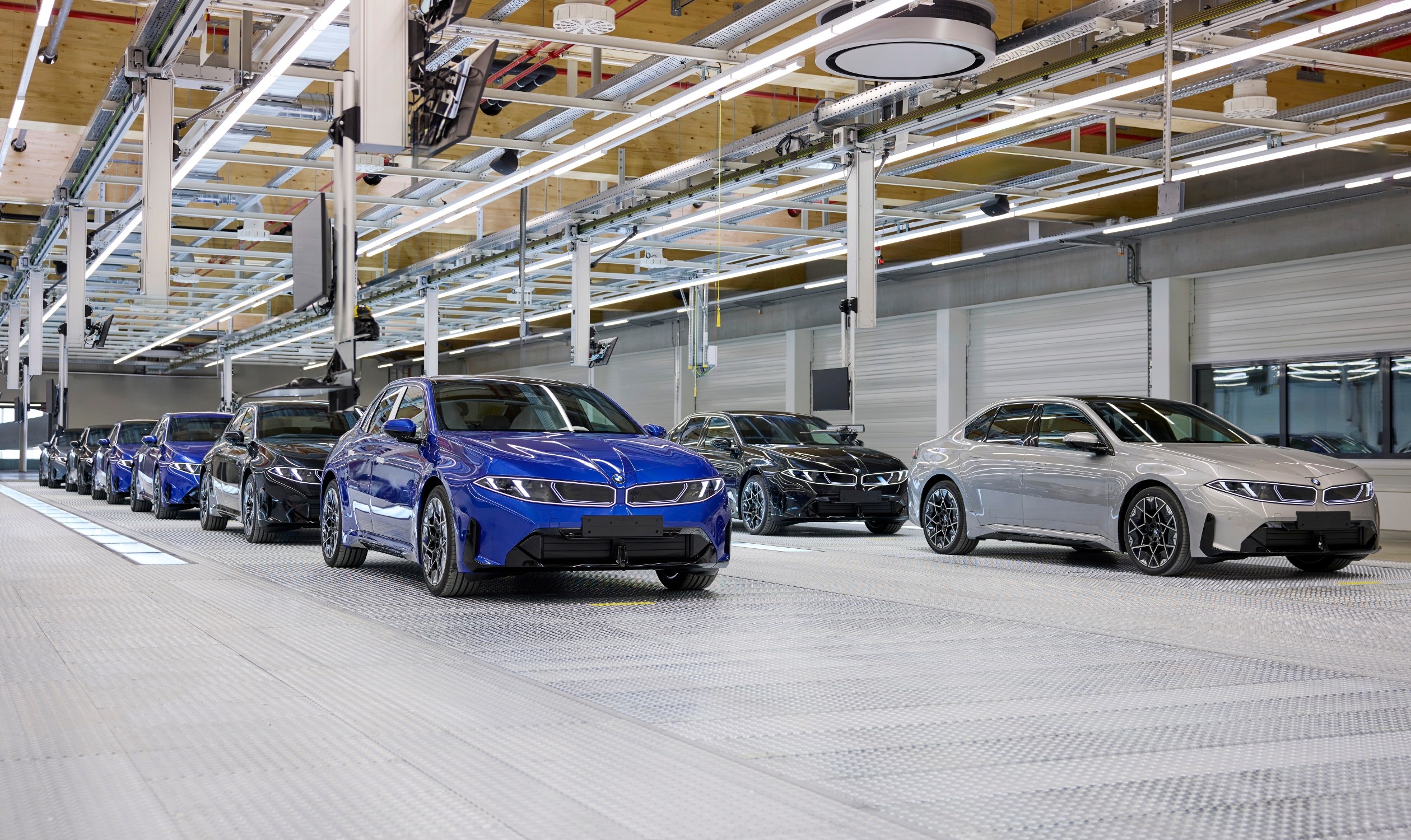
- Expansion of the Neue Klasse electric vehicle platform into more affordable segments in Europe by 2028.
BMW is improving its structures and cost base to respond to increasingly intense competition.
— Milan Nedeljković, Chairman of the Board of Management of BMW AG
The Global Landscape
BMW’s pivot isn't happening in a vacuum. Chinese carmakers like BYD and Chery have achieved explosive export growth, eye-watering 12 million overseas sales by 2026, and are aggressively challenging legacy brands in Europe and Africa. With the broader electric vehicle market forecasted to expand significantly over the next decade—potentially reaching over $2.5 trillion by 2034—established manufacturers must iterate faster than ever to maintain their competitive edge.