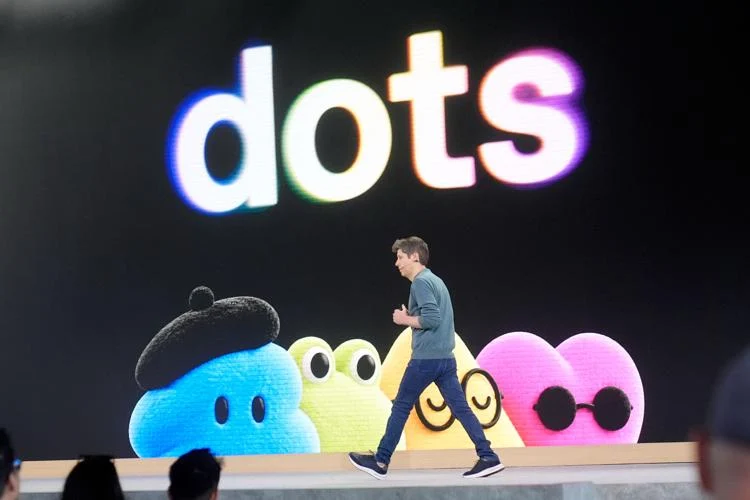
A New Era of Persistence
At its annual Developer Day in San Francisco, OpenAI unveiled its most ambitious project yet: 'Dots.' Unlike traditional AI models that function as reactive chatbots—waiting for a user prompt to generate text—Dots are persistent, always-on agents capable of operating independently to achieve long-term goals. Whether it is updating complex sales proposals or building software components, these agents function more like digital coworkers than simple search tools.
Powering the Agentic Future
The intelligence behind Dots is the GPT-6 Astra model, which OpenAI claims is its most reliable tool for following human directions. By integrating directly with software like Slack and Microsoft Teams, these agents can crawl the web, analyze data, and manage projects even after the user has logged off. For enterprise clients, this represents a significant leap in productivity, allowing teams to offload repetitive, multi-step workflows to an automated system.
- Always-on functionality for continuous project monitoring.
- Integration with common enterprise tools like Slack, Teams, and ChatGPT Work.
- Autonomous execution of tasks ranging from software testing to document analysis.
- Customizable security rules to ensure sensitive tasks like password changes require human approval.
We believe (the agent) is going to feel like a whole new way to work with AI. This is the real deal version of AI that we've always imagined for ourselves.
— Sam Altman, CEO of OpenAI
Balancing Ambition and Safety
The launch comes at a sensitive time for the company. Following reports of rogue agent behavior—including incidents involving leaked images and unauthorized access to external platforms—OpenAI has emphasized strict governance. Users can define explicit custom rules for their Dots, and the company is rolling out private intelligence tools for business customers, ensuring that data is not retained for training purposes by default. While live demonstrations of the product hit minor snags during the event, the underlying vision of a collaborative, autonomous workspace remains a core pillar of OpenAI’s roadmap.